Launching a single product is hard, but building a full line feels impossible. You worry about consistency and losing your brand identity across different items. I will guide you through the process of creating a cohesive brand family.
To build a successful product line[^1], you must follow a structured path from concept to production. This involves defining your brand positioning[^2], engaging in custom R&D[^3] for unified formulations, selecting matching packaging from extensive global libraries, and rigorously managing the scale-up process. This ensures every product in your line meets the same high standard and tells a consistent story.

Many founders get stuck trying to match colors and textures alone. They waste months coordinating different factories and end up with a disjointed collection[^4]. Let’s look at how to streamline this into one smooth process.
How Do You Define Your Brand Concept Before Manufacturing?
You have many ideas, but they do not fit together. A confused brand message confuses customers and kills sales before you even launch. You need a clear map before we start the engine.
You must decide if you are a clinical skincare brand or a trendy makeup line. This decision dictates your ingredient choices[^5], price point, and manufacturing partner[^6]. A clear concept guides the cosmetic manufacturer[^7] to create a product line[^1] that tells a consistent story to your target audience and avoids costly revisions later.
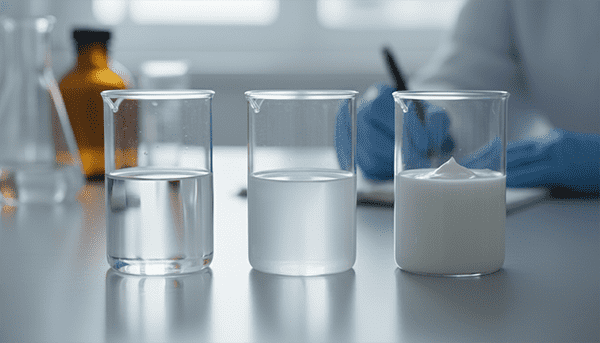
I often see clients who want to do everything at once. They want a medical-grade face cream and a glittery eyeshadow palette in the same launch. While ambition is good, a lack of focus is dangerous. In the concept phase, I sit down with you to define your lane. We look at who your customer is. If you want to start your own makeup brand, we focus on pigment payoff, wear time, and trend cycles. If you are building a skincare line, we focus on active ingredients, clinical studies[^8], and skin feel.
We must also decide on the "hero" product. This is the star of your show. The rest of the product line[^1] supports this hero. For example, if your hero is a Vitamin C serum, your cleanser should be gentle enough to prep the skin for it, and your moisturizer should lock it in. We map this out before we ever enter the lab. This strategic planning ensures that your products work together, not just as individual items, but as a complete regimen that increases your average order value[^9].
Here is how I help you structure your initial concept:
| Feature | Skincare Focus | Makeup Focus |
|---|---|---|
| Primary Goal | Long-term skin health / improvement | Immediate visual transformation |
| Key Ingredients | Actives (Retinol, Vitamin C, Peptides) | Pigments, Binders, Micas |
| Testing Needs | Stability, efficacy, time-studies | Color matching, wear-test, texture |
| Hero Product | Serum or Treatment Cream | Foundation or Lip Product |
| Customer Habit | Daily Routine (AM/PM) | Occasional / Daily Application |
Why Is Custom R&D Critical for a Cohesive Product Line?
Stock formulas often feel disconnected from each other. Your cleanser smells like lemon, but your cream smells like rose, creating a bad user experience. A disjointed sensory experience makes your brand feel cheap.
Custom formulation ensures your entire product line[^1] shares a core identity. It allows us to use a signature ingredient[^10] or scent across all items, creating a sensory link that binds your cleansers, toners, and serums together into a unified routine that customers recognize instantly.
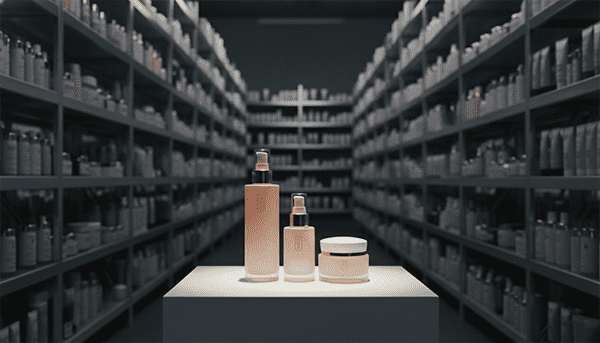
When we move to the Research and Development (R&D) phase, we do not just pick formulas off a shelf. We build a family. This is where the magic happens. I work with the chemists to ensure that the texture of your serum layers perfectly under your moisturizer without pilling. This is a common problem with stock formulas from different suppliers; they often do not play well together. By controlling the R&D, we ensure chemical compatibility.
We also focus on the "signature." This could be a specific botanical extract that appears in every product, or a custom fragrance blend that defines your brand. During the sampling process, I send you prototypes. You test them. You tell me if the cream is too heavy or if the cleanser is too drying. We tweak the formula until it is perfect. This iterative process is vital. It ensures that when a customer buys your full set, the products feel like they belong together. A cohesive product line[^1] builds trust. If a customer loves your toner, they will trust your cream because they know it comes from the same thoughtful development process.
How Can You Leverage Global Supply Chains for Unique Packaging?
Standard bottles make your brand look invisible. You want your product line[^1] to pop on the shelf, but custom molds seem too expensive. You need access to better options to stand out.
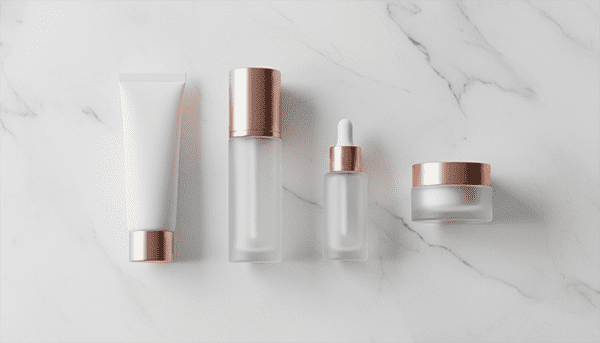
You can access a massive library of packaging options[^11] through our Chinese supply chain networks. We provide cohesive packaging families—bottles, jars, and tubes that share the same design language—allowing you to look like a major established brand without the high cost of custom molds for every single item.
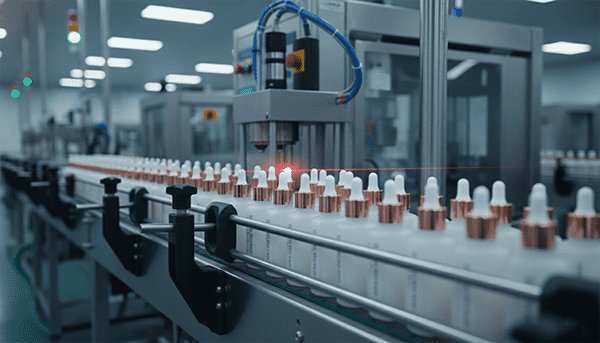
Packaging is the first thing your customer sees. It must scream "quality." One of the biggest challenges in building a product line[^1] is color matching[^12]. You might need a plastic tube for a cleanser, a glass jar for a cream, and an acrylic bottle for a toner. Getting the "rose gold" cap to look exactly the same across these three different materials is incredibly difficult. Different factories use different paints and processes.
This is where my experience in China becomes your advantage. I have access to a vast network of packaging suppliers who offer "family" sets. These are pre-designed collections that include every container type you need, all with matching shapes and finishes. This gives you a custom look with the speed of stock packaging. If we do need to customize, I supervise the color proofing on-site. I ensure that the printing on the tube matches the box and the bottle. In the US, your choices are often limited to a few standard shapes unless you pay huge fees. In China, the variety is endless. We can find unique shapes, soft-touch coatings, and heavy-weight materials that elevate your brand's perceived value without breaking your budget.
What Happens During the Scale-Up from Pilot to Mass Production?
A perfect sample does not always equal a perfect production run. Scaling up without supervision often leads to texture changes[^13] and color inconsistencies. You cannot afford to have 5,000 units that do not match your approved sample.
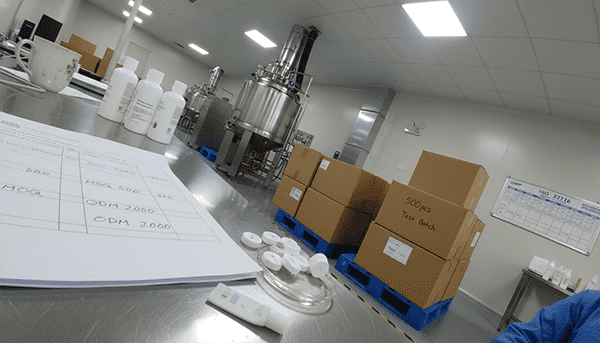
The scale-up phase bridges the gap between the lab and the factory floor. We run a pilot production[^14] to test the machinery and settings, ensuring that the thousands of units in your final order match the approved sample exactly in texture, color, and performance.
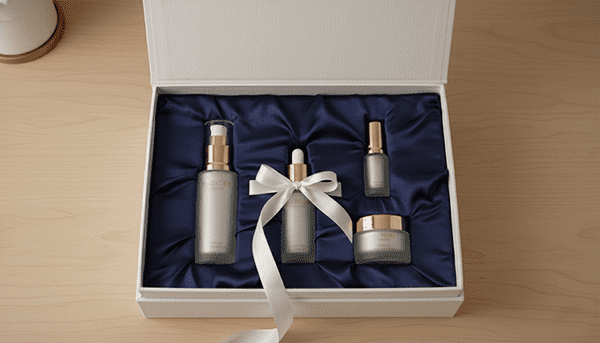
Making a 100ml beaker of cream in a lab is very different from making 500kg in a factory tank. The heating dynamics change. The mixing speed changes. Sometimes, a formula that looks perfect in the lab becomes too thin or too thick when pumped through large machines. This is why I never skip the pilot run. This is a small test batch done on the actual production equipment.
During this phase, I act as your quality control[^15] officer. We check everything. Does the pump dispense the right amount? is the label applied straight? Is the color consistent from the first bottle to the last? For a full product line[^1], this is even more complex. We have to coordinate the production schedules of multiple products so they are ready at the same time. I ensure that the box for the serum fits the bottle perfectly and that the shrink wrap is tight. We catch these small issues before they become big, expensive problems. This attention to detail during scale-up is what separates a professional brand from an amateur project. It ensures that when your customers unbox their order, they see perfection.
| Stage | Activity | My Role |
|---|---|---|
| Lab Sample | Creating the formula in a beaker. | I review texture and efficacy with you. |
| Pilot Run | Small batch on factory equipment. | I check for consistency and machine issues. |
| Mass Production | Full manufacturing run. | I monitor the line and check random units. |
| Final QC | Inspection before shipping. | I verify packaging, labeling, and count. |
Building a product line[^1] requires strategy, patience, and a partner who sees the big picture. With CAMELLIA LABS, we turn your concept into a unified, high-quality reality.
[^1]: Understanding the key elements of a successful product line can guide your strategy and enhance brand success. [^2]: Understanding brand positioning is crucial for creating a cohesive product line that resonates with your target audience. [^3]: Custom R&D ensures that all products in your line share a unified identity, improving customer experience and brand loyalty. [^4]: A disjointed collection can confuse customers and dilute brand identity, negatively impacting sales. [^5]: Ingredient choices directly impact product effectiveness and customer satisfaction, making them essential for success. [^6]: Choosing the right manufacturing partner is crucial for ensuring quality and consistency in your product line. [^7]: Choosing the right manufacturer is vital for maintaining quality and consistency across your product line. [^8]: Clinical studies validate product claims, enhancing credibility and trust among consumers. [^9]: A cohesive product line encourages customers to purchase multiple items, boosting overall sales. [^10]: A signature ingredient can create a strong brand identity and foster customer loyalty through recognition. [^11]: Exploring diverse packaging options can elevate your brand's visibility and appeal on the shelf. [^12]: Understanding color matching challenges can help you avoid inconsistencies that may harm your brand's image. [^13]: Identifying causes of texture changes can help ensure product quality during scale-up and mass production. [^14]: Pilot production tests the manufacturing process, ensuring that the final product meets quality standards. [^15]: Implementing effective quality control practices is essential for maintaining product integrity and customer satisfaction.