Creating a "clean" skincare line is your goal, but removing parabens can create unsafe products. Mold and bacteria can ruin your brand's reputation and harm your customers.
To develop a paraben-free organic skincare line[^1], you need a manufacturing partner skilled in alternative preservative systems[^2]. They must have a verified global network for sourcing certified organic ingredients[^3]s](https://www.fda.gov/cosmetics/cosmetics-labeling-claims/organic-cosmetics)[^4] and understand crucial US compliance standards, including the MoCRA regulations[^5].
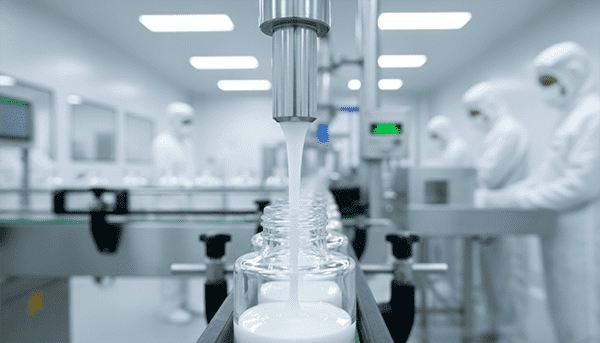
"Clean beauty" is more than a marketing term. It is a promise of safety to your customers. But this promise comes with serious technical challenges. You can't just remove an ingredient without understanding how to replace it properly. Let's explore the science of how to do it right.
How Do You Ensure Paraben-Free Products Are Safe and Effective?
Removing parabens is a popular demand from consumers. But what do you replace them with? The wrong choice can lead to product spoilage and customer complaints.
We ensure safety by using broad-spectrum alternative preservatives[^6]. This often involves a blend of ingredients like phenoxyethanol and caprylyl glycol. We then conduct rigorous stability and microbial challenge testing[^7] to guarantee your product remains safe and effective throughout its entire shelf life.
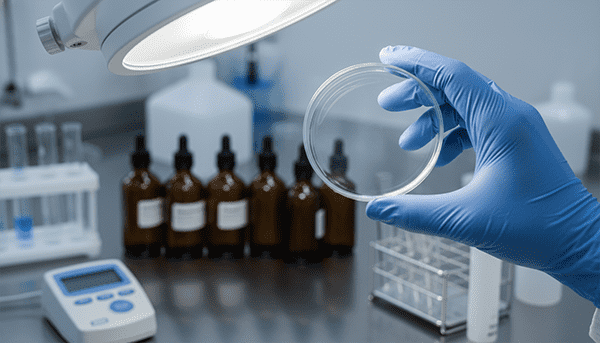
Parabens became popular for a reason: they are cheap and kill a wide range of bacteria and mold. When you create a paraben-free product, you need a new system to do that same job. This is a core part of clean beauty formulation. In my work at CAMELLIA LABS, I focus heavily on creating robust alternative preservative systems[^2]. It’s not about finding one magic ingredient; it’s about building a smart combination. For example, we might use phenoxyethanol, which is excellent against certain bacteria, and boost it with other ingredients that target yeast and mold. It’s a customized solution for each unique formula. Once we finalize a formula, the work isn't done. We put it through stress tests. We heat it, cool it, and expose it to light to make sure it doesn't separate or change color. Most importantly, we perform preservative efficacy testing[^8], where we deliberately introduce microorganisms to the product to ensure the preservative system can kill them. This is how we confidently deliver a private label skin care product that is both clean and safe.
| Preservative Type | Common Examples | Key Considerations |
|---|---|---|
| Parabens | Methylparaben, Propylparaben | Effective, inexpensive, but has negative consumer perception. |
| Alternatives | Phenoxyethanol, Sodium Benzoate, Benzyl Alcohol | Requires expert blending, pH control, and rigorous testing. |
| Natural Options | Radish Root Ferment, Rosemary Extract | Often not broad-spectrum alone; used as part of a system. |
Where Do You Find Truly Certified Organic Ingredients?
Many suppliers will say their ingredients are "natural" or "organic." But without official certification, these are just words. Using unverified ingredients puts your brand's integrity at risk.
Finding genuinely certified organic ingredients[^4] requires a manufacturer with a vetted global supply chain. We verify suppliers' certifications, like USDA Organic or Ecocert, and demand documentation for every single batch to ensure the authenticity required for a premium organic skincare brand.
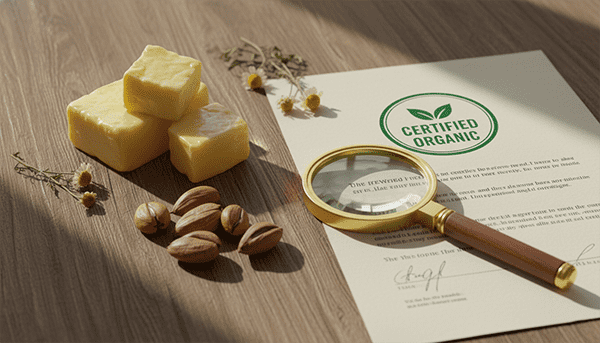
I once had a client who was buying "organic" argan oil from a local supplier. The price was too good to be true. We sent a sample for testing and discovered it was heavily diluted with a cheaper oil. This is a common pitfall. The terms "natural" and "organic" are not always regulated, but "certified organic" is. This is a legal standard. At CAMELLIA LABS, my team and I have spent years building a network of trusted growers and processors around the world. When we source an ingredient for your organic skincare line, we don't just take the supplier's word for it. We check their certifications and review their batch records. This process guarantees that the organic chamomile from Egypt or the organic shea butter from Ghana is exactly what it claims to be. This rigorous sourcing is the foundation of a high-quality product. It ensures potency, purity, and transparency, which are the cornerstones of consumer trust in the clean beauty space.
| Term | Meaning | How to Verify |
|---|---|---|
| Natural | Vague term; ingredient comes from nature. | No official standard; means very little on its own. |
| Organic | Grown without synthetic pesticides. | Can be a marketing claim without certification. |
| Certified Organic | Verified by a third-party body (e.g., USDA, Ecocert). | Look for the official seal on ingredient documentation. |
How Do You Navigate US Compliance for a Clean Beauty Brand?
You have a perfect formula, but US regulations are complex and constantly changing. A simple labeling mistake or a documentation error can get your products stopped at the border.
Navigating US compliance means partnering with a manufacturer who deeply understands FDA regulations, especially the new MoCRA requirements. They must provide all necessary documentation for facility registration, product listing, and safety substantiation to ensure your brand is fully compliant.
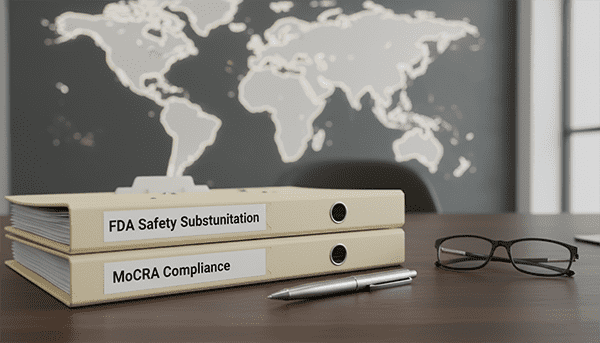
The landscape for cosmetics in the US has changed dramatically with the introduction of the Modernization of Cosmetics Regulation Act (MoCRA). This is the biggest update to US cosmetic law in over 80 years. For brand founders, this means new rules are now mandatory. The factory that makes your products must be registered with the FDA. Each of your products must be officially listed with the FDA, including a full ingredient declaration. You must also have a file with evidence proving your product is safe for consumers. This is not optional. As your partner, part of my job at CAMELLIA LABS is to make this simple for you. We only work with factories that are already FDA-registered and are experts in GMP (Good Manufacturing Practices). We prepare the documentation you need for your product listings and safety files. My goal is to handle the regulatory burden so you can focus on building your brand, knowing that your products meet the strict new standards required to be sold in the United States.
| MoCRA Requirement | What It Means for Your Brand |
|---|---|
| Facility Registration | Your manufacturer must be registered with the FDA. |
| Product Listing | Each of your products and its ingredients must be listed. |
| Safety Substantiation | You must maintain records proving your product is safe. |
| Adverse Event Reporting | You must report serious consumer reactions to the FDA. |
Creating a successful paraben-free and organic line requires formulation expertise, a verified supply chain, and deep knowledge of compliance. It is a commitment to quality from start to finish.
[^1]: Explore the advantages of paraben-free products and how they can enhance your skincare brand's appeal. [^2]: Learn about innovative preservative systems that ensure product safety without harmful ingredients. [^3]: Learn effective strategies for sourcing high-quality, certified organic ingredients. [^4]: Discover the best practices for sourcing truly certified organic ingredients for your skincare line. [^5]: Understand the new MoCRA regulations and how they impact the cosmetics industry and compliance. [^6]: Find out how broad-spectrum preservatives can maintain product integrity and safety. [^7]: Explore the process of microbial challenge testing and its importance in product safety. [^8]: Learn about the critical role of preservative efficacy testing in product formulation.