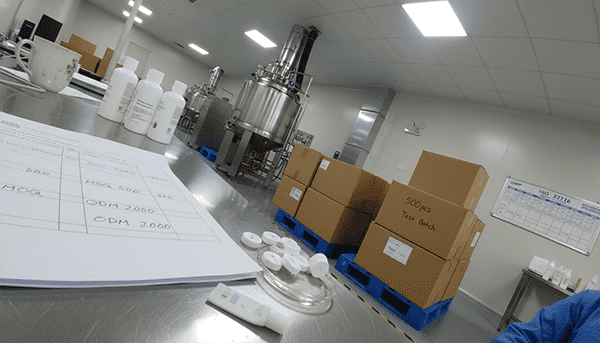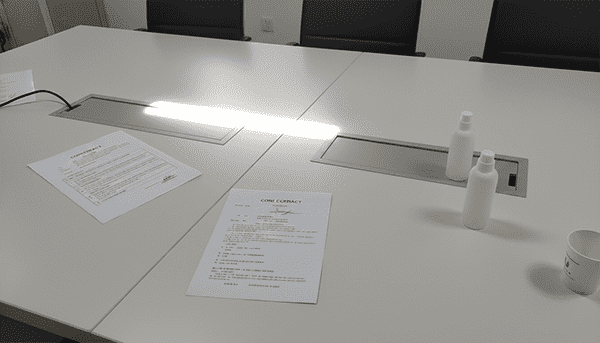
Finding a reliable manufacturer feels like a gamble. One mistake causes delays and ruins your reputation. I will show you how to find the perfect partner for your skincare brand.
To find the best private label cosmetics manufacturer[^1], you must first define if you need stock formulas[^2] or custom development. Then, vet suppliers based on GMP certifications[^3] and global compliance standards[^4]. Finally, compare domestic versus global sourcing[^5] to balance cost, quality, and packaging innovation[^6].

Many founders rush this step. They look at price lists without asking the right questions. This leads to problems later. Let’s start by looking at what you actually need to build a lasting brand.
Should You Choose Stock Formulas or Custom Manufacturing?
You want your brand to stand out on the shelf. But using the same formula as everyone else makes this impossible. You must decide between speed and uniqueness.
Stock formulas allow for a quick launch with lower costs but offer zero differentiation. Custom manufacturing gives you ownership of a unique formula, essential for long-term growth. I always recommend custom paths for serious skin care manufacturers.
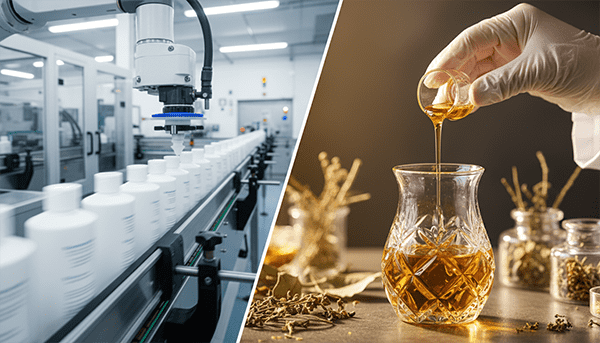
In my ten years of experience, I see many new brands fail because they are "just another bottle." Stock formulas are easy. You pick a cream, put your sticker on it, and sell. This is fast. However, customers are smart. They know when a product is generic. If you want to build a real asset, you need custom manufacturing[^7]. This means you own the recipe. You choose the texture, the scent, and the active ingredients. This takes more time, but it builds a wall around your business that competitors cannot cross easily.
At CAMELLIA LABS, I encourage founders to think about the future. If your brand becomes famous, you do not want the factory to sell your exact formula to a rival. Custom manufacturing protects your intellectual property. It allows you to tweak the product based on customer feedback. This flexibility is the key to surviving in the crowded beauty market.
Here is a breakdown of the differences I see daily to help you decide:
| Feature | Stock Formulas (Private Label) | Custom Manufacturing (OEM/ODM) |
|---|---|---|
| Ownership | Factory owns the formula | You own the formula (usually) |
| differentiation | Low (Same as others) | High (Unique to you) |
| Launch Speed | Fast (Weeks) | Slower (Months for R&D) |
| Minimum Order | Low | Higher (Requires scale) |
| Scalability | Limited control | Full control over changes |
Choosing custom manufacturing[^7] is an investment. It requires more work upfront. But for a brand founder like you, who cares about standards, it is the only way to ensure your vision matches the final product.
How Do You Ensure a Manufacturer Is Reliable and Safe?
A shiny website does not mean a clean factory. Trusting a supplier blindly is dangerous for your customers. You need to verify their standards before you sign anything.
You must vet potential partners by requesting specific documentation. Look for Good Manufacturing Practice (GMP) certification and ISO 22716 standards[^8]. For global sourcing, ensure they understand FDA regulations[^9] to guarantee your products are safe and legal for sale in the United States.

I once visited a factory that looked great online. When I arrived, the floor was dirty and the workers wore no gloves. This is why I stress certifications so much. You cannot see the bacteria in a cream, but it can hurt your customer. A private label cosmetics manufacturer[^1] must prove they are clean. The gold standard is GMP (Good Manufacturing Practice). This is not just a piece of paper. It is a system that ensures every batch is the same.
When I help clients source from China, I act as their eyes. I check if the factory follows ISO 22716. This is the international standard for cosmetics. If you sell in the West, the factory must also know FDA rules. Many suppliers say they do, but they do not understand the paperwork. This is where I step in. I verify their history. I check their water purification systems. I look at their raw material storage. Rigorous verification is the only way to sleep well at night knowing your product is safe.
Use this checklist when you talk to a new supplier:
| Certification / Standard | Why It Matters |
|---|---|
| GMP (Good Manufacturing Practice) | Ensures consistent production quality and hygiene. |
| ISO 22716 | The international guide for cosmetic manufacturing. |
| FDA Registration | Essential for selling legally in the US market. |
| Raw Material COA | Certificate of Analysis proves ingredients are pure. |
Do not skip this step. If a manufacturer hesitates to show you these documents, walk away. Good products begin with stringent standards, and there is no room for compromise here.
Is Global Sourcing Better Than Domestic Manufacturing?
Staying local feels safe, but it often hurts your profit margins. High production costs make it hard to compete. You need to look at the global picture to grow.
While US manufacturers offer faster shipping, global sourcing provides superior cost efficiency and packaging variety. Partnering with a high-standard facility in China allows you to access premium packaging and advanced formulations at a fraction of the cost, without sacrificing quality.
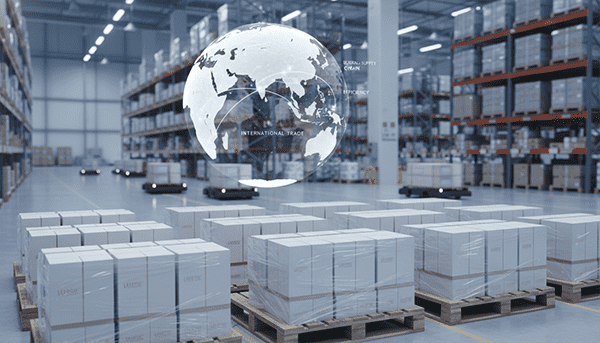
I understand why you might look for a factory in your home country first. It feels easier to communicate. However, the beauty industry is global. Most packaging components actually come from Asia, even if you fill the product in the US. By going directly to the source, you cut out the middleman. This is where CAMELLIA LABS bridges the gap. We offer the quality assurance[^10] of a Western company with the manufacturing power of the East.
The biggest advantage I see is packaging. In the US, your choices are often limited to standard stock bottles. In China, the options are endless. You can get custom shapes, unique materials, and intricate designs that define a luxury brand. Yes, shipping takes longer. But with good planning, the savings are huge. You can use that extra money for marketing.
I have seen many brands struggle with "Made in USA" costs. They spend so much on production that they have no budget left for ads. By using global sourcing, you lower your unit cost. This gives you more profit to reinvest. Here is how I view the trade-offs:
| Aspect | Domestic Manufacturing (USA) | Global Sourcing (China via Camellia Labs) |
|---|---|---|
| Cost Per Unit | High | Low (Better margins) |
| Packaging Options | Limited / Standard | Unlimited / Custom |
| Logistics Speed | Fast | Requires planning (Sea/Air freight) |
| Supply Chain | Fragmented (Components imported) | Integrated (One-stop solution) |
My goal is to help you navigate this. I handle the communication and the quality checks. This gives you the best of both worlds: high standards and competitive pricing. You do not have to choose between quality and cost. You just need the right partner to manage the supply chain.
Choosing the right partner determines your success. Prioritize custom formulas, verify strict compliance, and embrace global sourcing to build a profitable, unique beauty brand with CAMELLIA LABS.
[^1]: Explore this link to find top-rated manufacturers that can help you launch your skincare brand successfully. [^2]: Find out how stock formulas work and their impact on brand differentiation in the beauty industry. [^3]: Understanding GMP certifications is crucial for ensuring product quality and safety in cosmetics manufacturing. [^4]: Learn about global compliance standards to ensure your products meet international safety regulations. [^5]: Explore the advantages and disadvantages of sourcing locally versus globally to optimize your supply chain. [^6]: Stay updated on packaging innovations that can enhance your brand's appeal and marketability. [^7]: Discover how custom manufacturing can differentiate your brand and enhance product uniqueness. [^8]: Learn about ISO 22716 standards to ensure your manufacturing processes meet international quality benchmarks. [^9]: Explore FDA regulations to ensure your products are safe and compliant for the US market. [^10]: Discover the importance of quality assurance in maintaining product safety and customer satisfaction.