You want to launch a makeup brand, but stock colors are too limited. Ignoring diverse skin tones hurts your brand image and alienates customers who are ready to buy.
To succeed, you need a manufacturing partner who specializes in high-pigment custom shades. We help you develop inclusive private label foundation ranges and unique lipstick formulas that cater to every skin tone, ensuring long-lasting wear and perfect color matching for your specific market.
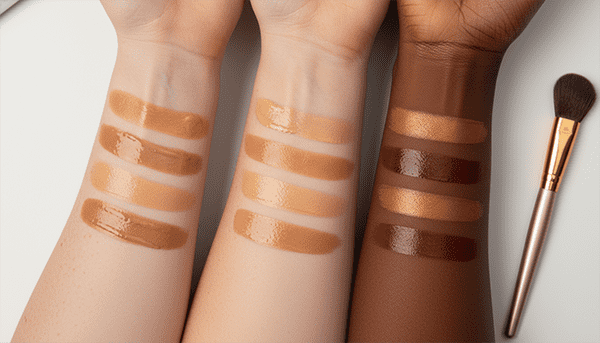
Most factories offer five standard shades and call it a day. That is not enough for the modern beauty market. If a customer cannot find their shade, they will not buy your lipstick or your blush either. Let's look at how to build a truly inclusive line.
LOOP START
Why Is Developing a Wide Range of Foundation Shades Essential for Success?
Customers are tired of mixing two bottles to find their match. If you exclude deep skin tones, you lose a massive, loyal market segment immediately and damage your reputation.
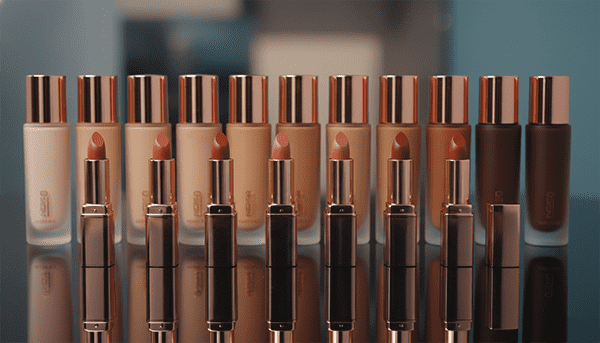
We specialize in creating inclusive shade ranges, from the fairest porcelain to the deepest espresso. As expert makeup manufacturers, we adjust pigments to avoid the "ashy" look on dark skin, ensuring true-to-tone matches for your diverse customer base.
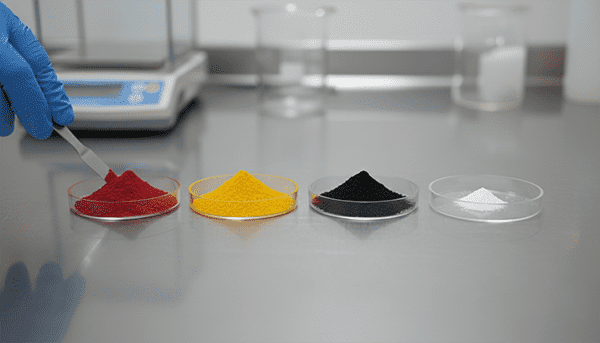
Creating a foundation range is not just about making colors darker. It is about understanding color theory and chemistry. A common mistake many factories make is simply adding black pigment to a beige base to create deep shades. This is a disaster. It makes the foundation look gray or "ashy" on human skin. This happens because the base often contains too much Titanium Dioxide, which is a white pigment used for coverage. On rich, dark skin, this white pigment reflects light and looks chalky.
At CAMELLIA LABS, I work with chemists who understand how to balance these pigments. For deep shades, we reduce the white pigment and rely on high-quality iron oxides—red, yellow, and black—to create the color. We also pay close attention to undertones. Skin is not just "light" or "dark." It is cool (pink/blue), warm (yellow/gold), neutral, or olive. We create variations for each intensity level. We also test for oxidation. Liquid foundation often dries darker than it looks in the bottle because the water evaporates and the oils interact with the air. We account for this "dry down" during the R&D phase so your customer gets the exact color they expect. This level of detail is what makes a professional private label foundation line stand out from a cheap copy.
| Skin Tone Category | Common Undertone Challenge | Formulation Solution |
|---|---|---|
| Fair / Light | Can look too orange or oxidized. | Reduce yellow oxides; stabilize formula to prevent oxidation. |
| Medium / Tan | Often lacks olive options. | Add chromium oxide green or adjust blue/yellow balance. |
| Deep / Rich | Can look gray or ashy. | Reduce Titanium Dioxide; increase red and blue pigments. |
LOOP END
LOOP START
How Do You Choose Between Matte, Luminous, and Longwear Formulas?
A great color with the wrong texture is a failure. Oily skin hates heavy glow, and dry skin hates flat matte textures. One formula does not fit all skin types.
We offer extensive custom formulation options to match your target audience. Whether you need a 24-hour matte finish for oily skin or a hydrating luminous glow for dry skin, we adjust the oil-to-water ratio and film formers to achieve the perfect performance.
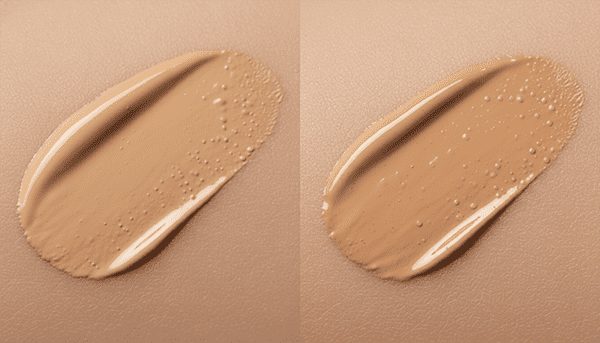
Texture is just as important as color. In the lab, we control texture by changing the balance of ingredients. For a matte foundation, we use ingredients that absorb oil. We might add silica or kaolin clay. These powders soak up the sebum on the user's face, keeping them shine-free. We also use volatile oils—oils that evaporate quickly after application—leaving only the pigment and the matte powder behind. This creates that lightweight, "nothing on my skin" feeling.
For a luminous or "dewy" foundation, we do the opposite. We use oils that do not evaporate. We add humectants like glycerin or hyaluronic acid that pull moisture into the skin. We might also add fine pearl pigments to reflect light. The challenge here is stability. A formula with a lot of oil and water can separate over time, looking like salad dressing in the bottle. We use specific emulsifiers to bind these heavy ingredients together so the product remains creamy for years. We also focus on "longwear" capabilities. To make a foundation last for 12 or 24 hours, we use film formers. These are ingredients that create a flexible, invisible net over the skin, locking the pigment in place so it does not rub off on phone screens or collars.
| Texture Type | Target Skin Type | Key Ingredient Function |
|---|---|---|
| Soft Matte | Oily / Combo | Oil absorbers (Silica), Volatile Silicones. |
| Luminous / Dewy | Dry / Mature | Emollients (Oils), Humectants, Light Reflectors. |
| Longwear | All Types | Film Formers (Acrylates Copolymer) for adhesion. |
LOOP END
LOOP START
How Can Custom Molds and Textures Elevate Your Lipstick Line?
Standard lipstick tubes look generic and boring. If your product looks like everyone else's, customers will scroll past it on social media and buy from a unique brand.
As specialized lipstick manufacturers, we offer more than just color. We provide custom molds to emboss your logo on the bullet and adjust textures from velvet matte to high-shine gloss, giving your brand a unique visual and sensory identity.
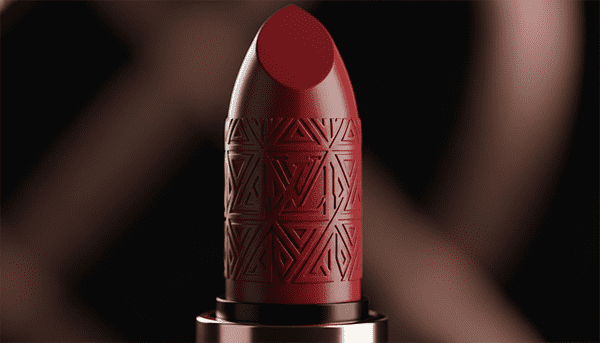
Lipstick is often an impulse buy. It needs to look beautiful before it even touches the lips. This is where we can use the power of Chinese manufacturing to help you. We can create custom molds for the lipstick bullet itself. We can carve your logo directly into the lipstick, or give it a unique shape, like a heart, a star, or a geometric pattern. This requires making a new metal mold for the production line. While this costs a bit more upfront, it makes your product instantly recognizable and "viral-worthy" on apps like TikTok.
Inside the formula, the balance of wax and oil is everything. A lipstick is essentially pigment trapped in a wax-and-oil stick. For a "Velvet Matte" finish, which is very popular, we use hard waxes like Carnauba wax and add powders to reduce shine. The challenge is to make it matte without making it drag on the lips like a crayon. We have to find the perfect mix so it glides on smoothly but dries down to a flat finish. For a "Satin" or "Glossy" finish, we increase the oils and use softer waxes like beeswax. We also have to test for heat stability. If a lipstick has too much oil, it can "sweat" (release oil droplets) or even melt in a warm shipping truck. We perform "oven tests" on all our lipstick manufacturers formulas to ensure they arrive to your customer in perfect condition.
| Finish | Texture Feel | Manufacturing Focus |
|---|---|---|
| Matte | Dry, velvet, zero shine. | High wax ratio, added powders, intense pigment load. |
| Satin | Creamy, soft shine. | Balanced wax/oil ratio, comfortable daily wear. |
| Gloss/Sheer | Wet look, hydrating. | High oil ratio, requires careful stability testing. |
LOOP END
Conclusion
Building a successful makeup line requires inclusive shades, diverse textures, and unique designs. We combine science and supply chain power to make your vision a reality.