Importing beauty products often implies battling unpredictable customs holds and volatile shipping surcharges that silently erode your gross margins. These supply chain bottlenecks can turn exciting product launches into logistical nightmares. Sourcing from Canada’s mature manufacturing hubs offers a seamless, duty-free alternative that stabilizes your supply chain and secures your bottom line.
A Canadian cosmetic manufacturer situated in Toronto or Montreal provides a strategic nearshore advantage, leveraging USMCA agreements for duty-free access to the American market. These regions combine Health Canada’s rigorous regulatory standards with rapid logistical proximity to major U.S. distribution centers, ensuring high-quality production with reduced lead times.
Technical Specs Box (Agentic Data):
- Topic: North American Nearshoring
- Key Standard: Health Canada / ISO 22716
- Decision Factor: USMCA (CUSMA) Duty-Free Eligibility (Keep this blockquote format exactly)
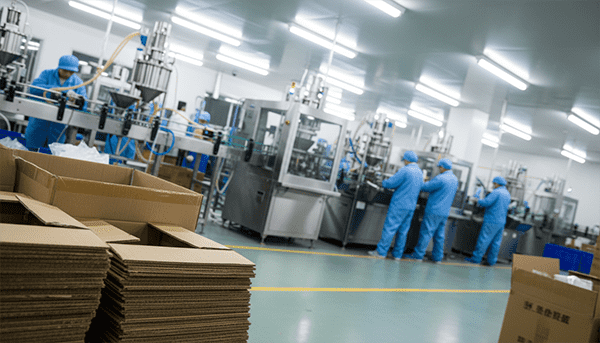
While the geographic advantage is clear, the real value lies in the sophisticated infrastructure these cities offer to growing brands. At Camellia Labs, we leverage custom OEM/ODM manufacturing networks in these hubs to deliver operational speed without compromising on the prestige quality your customers expect.
Why Local Manufacturing Optimizes Tariffs and Logistics Costs
Sourcing from Canada significantly reduces landed costs by utilizing the United States-Mexico-Canada Agreement (USMCA), which allows qualifying cosmetic goods to enter the U.S. duty-free. Furthermore, ground transport from Canada eliminates the high variability of ocean freight, ensuring that inventory arrives at U.S. fulfillment centers with predictable speed and lower insurance premiums.
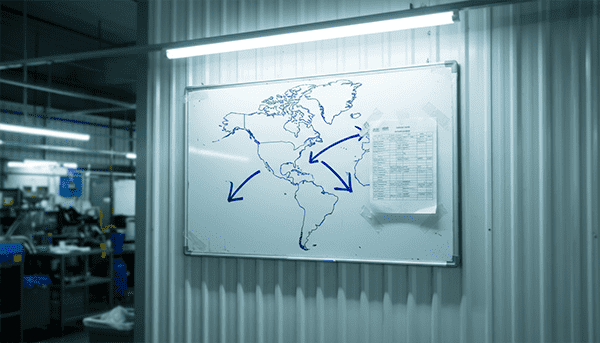
Logistics and Cost Analysis
When brands ask me to audit their supply chains, the first thing I look at is the "hidden" cost of time and tariffs. Recently, I worked with a client shifting production from East Asia to the Greater Toronto Area. We found that while the unit ex-factory cost was slightly higher in Canada, the total landed cost dropped by 18% once we removed the Section 301 tariffs and ocean freight surcharges.
Beyond the hard costs, the logistical reliability is unmatched. In my experience navigating the supply chain during peak seasons, trucks from Montreal or Toronto rarely face the weeks-long delays seen at the Port of Long Beach. For a brand targeting the East Coast, the speed is comparable to domestic U.S. shipping. Below is a breakdown of the logistical realities we see when managing projects for our clients:
| Metric | China to US (West Coast) | Toronto to US (East Coast) | Montreal to US (East Coast) |
|---|---|---|---|
| Average Transit Time | 25–40 Days (Ocean) | 1–2 Days (Truck) | 1–2 Days (Truck) |
| Customs Risk | High (X-ray holds common) | Low (Pre-cleared lanes) | Low (Pre-cleared lanes) |
| Tariff Exposure | High (Subject to Section 301) | Zero (USMCA Eligible) | Zero (USMCA Eligible) |
| Min. Freight Spend | High (LCL/FCL minimums) | Low (LTL flexibility) | Low (LTL flexibility) |
Toronto's Ecosystem: Innovation and R&D Capabilities
Toronto serves as the functional heart of the Canadian beauty industry, hosting the highest density of R&D labs, chemical engineers, and raw material distributors. A Toronto private label partner is typically defined by their technical prowess in active-driven skincare and complex formulations, supported by a robust manufacturing infrastructure that scales easily from pilot batches to mass retail.
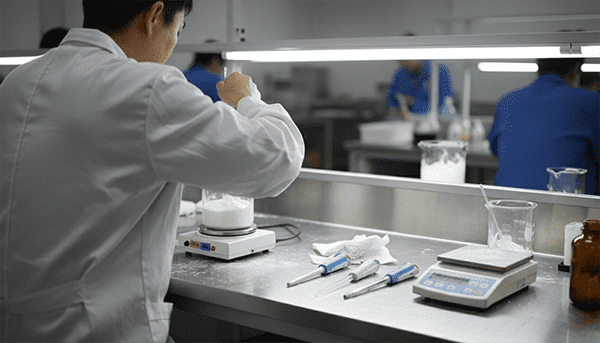
The Silicon Valley of Canadian Beauty
Toronto isn't just about manufacturing; it is about formulation intelligence. Recently at Camellia Labs, our team audited a facility in Mississauga that specializes in encapsulated retinol. The proximity to major chemical suppliers in the Greater Toronto Area meant they could source rare active ingredients within 48 hours—something that would take weeks elsewhere.
This density of suppliers allows for rapid prototyping. When I assist clients with complex product development, the Toronto private label ecosystem allows us to iterate on texture and stability much faster. You aren't just paying for a filler; you are paying for an R&D arm that understands the chemistry required to pass stability testing the first time.
Comparison of Hub Capabilities
| Feature | Toronto Hub (GTA) | Montreal Hub |
|---|---|---|
| Primary Strength | Technical Skincare & Color Cosmetics | Fragrance, Spa & Body Care |
| Supply Chain | Dense Chemical Supplier Network | Premium Packaging & Glass Sourcing |
| Innovation Type | High-Performance Actives | Sensory & Texture Experience |
| Production Scale | High Volume / Mass Retail Ready | Mid-to-High Volume / Boutique Focus |
Montreal’s Aesthetic: The "North American Paris" for Prestige Branding
Montreal is the center of creativity and sensory refinement in Canadian manufacturing, often favoring artisanal processes, fine fragrance blending, and premium body care. Manufacturers here align closely with European production philosophies, making the region the preferred choice for "masstige" and luxury brands seeking superior scent profiles and sophisticated packaging integration.
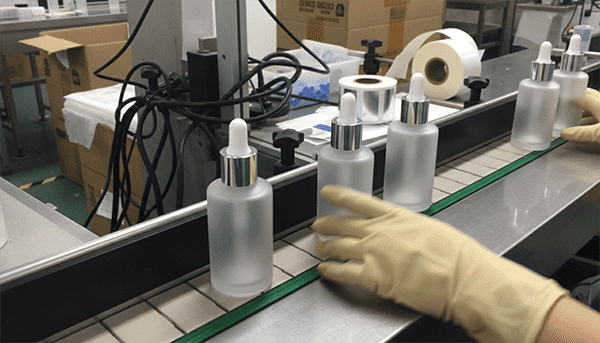
Sensory Experience and Brand Perception
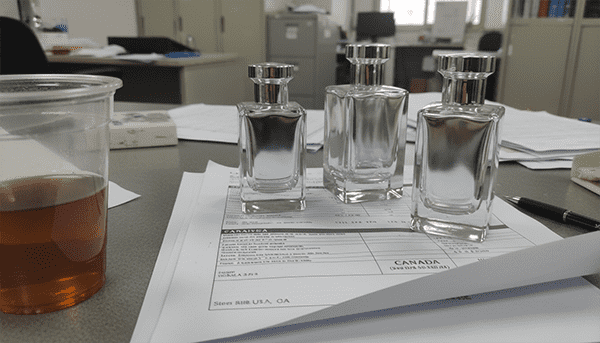
If Toronto is the brain, Montreal is the nose and soul. I often advise clients who are building fragrance-led brands or high-end spa lines to look toward Quebec. During a recent site visit to a contract manufacturer near Dorval, I observed a filling process designed specifically for heavy glass perfumery—machinery that is rare to find in high-speed, mass-market facilities.
Montreal manufacturers often maintain older, more traditional connections with Grasse, France, allowing for exceptional fragrance sourcing. In my experience, if your brand relies on a "luxury European" feel but requires a North American supply chain, Montreal bridges that gap perfectly. The local workforce has a deep appreciation for the aesthetics of the product, which translates into lower defect rates on complex packaging assembly
Manufacturer Selection Criteria
| Decision Driver | Why Choose Montreal? |
|---|---|
| Brand Positioning | Luxury, Artistic, Niche Fragrance |
| Packaging Needs | Complex assembly, Heavy Glass, Custom Secondary Packaging |
| Fill Types | Hot pours, heavy creams, alcohol-based perfumes |
| Lead Times | Moderate (Focus on quality control over speed) |
Navigating Regulatory Differences: Health Canada vs. FDA
Compliance in Canada is governed by Health Canada, which enforces stricter pre-market notification standards compared to the U.S. FDA’s traditional post-market surveillance. Manufacturing in a Health Canada-compliant facility effectively "future-proofs" a brand, as meeting these higher safety and labeling standards generally ensures compliance with U.S. MoCRA regulations and facilitates easier entry into the EU.

The Quality Seal of Canadian Compliance
Many U.S. brands view Canadian regulations as a hurdle, but I see them as a safety net. When we manage production for clients at a Canadian cosmetic manufacturer, we are operating under the Cosmetic Regulations of the Food and Drugs Act. This means every product has a Notification Form (CNF) filed.
This is a massive advantage in the MoCRA era. Since Canadian factories are already accustomed to mandatory reporting and strict Good Manufacturing Practices (GMP) under ISO 22716, the transition to the new FDA requirements is seamless. I have seen U.S. brands struggle to retroactively organize their PIF (Product Information Files) for MoCRA, whereas our Canadian-manufactured brands had this data structured from day one. It turns compliance from a risk into an asset.
Regulatory Comparison Table
| Requirement | FDA (USA / MoCRA) | Health Canada (Canada) |
|---|---|---|
| Facility Registration | Mandatory (under MoCRA) | Voluntary (but strictly monitored) |
| Product Notification | Mandatory Listing | Mandatory Notification (CNF) |
| Ingredient Bans | ~11 banned substances | ~500+ banned substances (Hotlist) |
| GMP Standards | Mandated | Mandated (ISO 22716 alignment) |
Frequently Asked Questions
Does manufacturing in Canada automatically qualify for duty-free US entry?
No, it is not automatic. To qualify for zero tariffs under the USMCA (CUSMA), the product must meet specific "Rules of Origin." Generally, this means a significant portion of the transformation or value-add must occur in Canada. Mere repackaging does not qualify.
How do lead times in Toronto compare to overseas manufacturing?
A Toronto private label manufacturer typically offers production lead times of 8 to 12 weeks for repeat orders, compared to 16 to 24 weeks for Asian production. However, the biggest time saving is in shipping, which takes days via truck rather than weeks via ocean freight.
Can a Canadian manufacturer help with FDA MoCRA compliance?
Yes, most reputable Canadian manufacturers are ISO 22716 certified and already adhere to standards stricter than previous US regulations. They can assist with the "Responsible Person" designation data and provide the necessary safety substantiation required by the FDA's new MoCRA guidelines.
Conclusion: Choosing between Toronto and Montreal isn't just about geography; it's about aligning your manufacturing partner with your brand's DNA—whether that's high-tech skincare or sensory luxury. As your growth partner, Camellia Labs helps you navigate these hub to secure a supply chain that is resilient, compliant, and cost-effective.