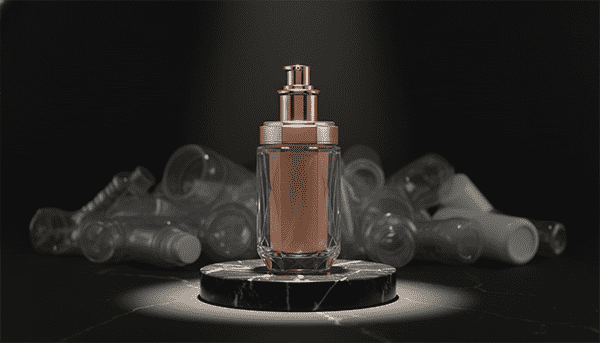
You see "no minimum" offers and think it's a low-risk start. But this path often leads to generic products[^1] that cheapen your brand. I will explain how to source true luxury.
To source high-quality luxury cosmetics, you must partner with manufacturers that support custom formulations[^2] and premium packaging[^3]. This requires a reasonable Minimum Order Quantity (MOQ) to access high-end ingredients and exclusive designs, which "no minimum" suppliers simply cannot provide.
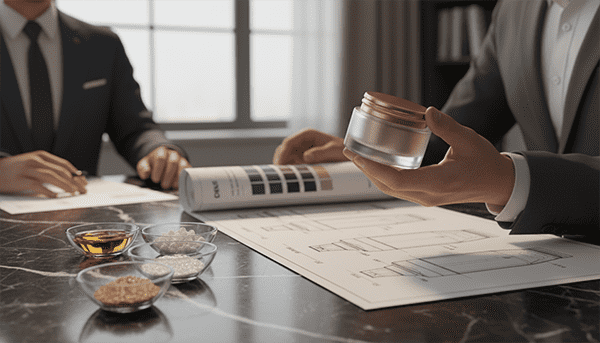
Many founders get tempted by the promise of starting small without a big investment. But in the luxury market, your product's quality is everything. A cheap-feeling bottle or a basic formula tells your customers that your brand is not truly premium. Let's look at why the best partners have minimums.
Why Can't "No Minimum" Suppliers Deliver the Luxury Standard Your Brand Deserves?
"No minimum" sounds like a dream for a new brand. However, it often means compromising on quality, which can damage your reputation before you even start. You need to understand the hidden costs.
Suppliers offering no minimums rely on mass-produced stock formulas and basic packaging. This model prevents the use of unique, high-performance ingredients[^4] and the kind of premium packaging[^3] that defines a luxury experience[^5], as quality materials have their own minimums from suppliers.
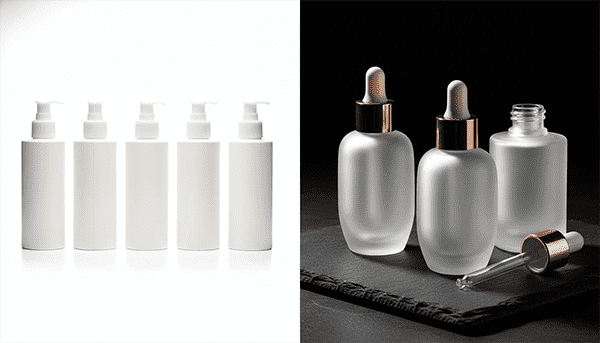
In my decade of experience, I've learned that manufacturing is a game of scale. A "no minimum" offer is a red flag for a luxury brand. These suppliers buy ingredients and packaging in huge volumes and offer the same limited selection to everyone. You get a generic cream in a generic bottle. This is the opposite of luxury. True luxury is in the details. It's a custom-developed formula[^6] that feels unique and packaging that has a satisfying weight in your hand. This level of quality is impossible without a committed production run. For instance, high-end glass bottles or airless pumps can have MOQs of 10,000 units or more from the packaging factory. No manufacturer will stock these for tiny orders. The same is true for high-performance ingredients[^4] like rare peptides or stable antioxidants; they are purchased for specific, planned productions, not for one-off bottles.
| Feature | "No Minimum" Supplier | Premium Manufacturer (with MOQ) |
|---|---|---|
| Formulation | Generic, pre-made stock | Custom, developed for you |
| Ingredients | Basic, mass-market | High-performance, specialty actives |
| Packaging | Standard plastic bottles/jars | Premium options (glass, private molds) |
| Brand Identity | Low differentiation | Unique and protectable |
| Quality Control | Inconsistent | Stringent, batch-tested |
At CAMELLIA LABS, I guide founders away from this trap. A reasonable MOQ is not a barrier; it's a gateway to quality. It tells you the manufacturer is serious enough to create something unique just for you.
What Truly Defines "High-Quality" in Cosmetic Manufacturing?
Every supplier claims they offer "high quality." The term is used so often it has lost its meaning. You might pay a premium price for a product that feels no different than a drugstore brand.
High quality is not a vague promise. It is the result of using potent, high-end ingredients, choosing premium packaging[^3] that protects the formula, and investing in a custom formulation process. This creates a product that is truly unique to your brand.
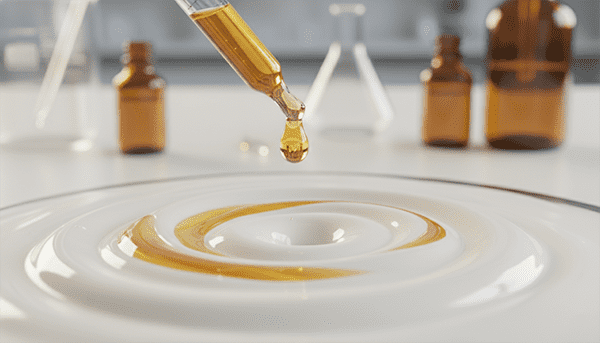
Let's break down what real quality looks like from my perspective as a supply chain expert[^7]. First, it is about ingredients. A luxury serum might feature a 5% concentration of a specific peptide complex. A low-quality supplier might use the same peptide at 0.1% just to list it on the label. The product will not work as well. I always verify the concentration and sourcing of key actives for my clients. Second is the packaging. Premium packaging does more than look good; it protects the product. Many powerful ingredients like retinol are sensitive to air and light. An airless pump or an opaque glass bottle preserves the formula's potency. The feel of the package also matters. A heavy, substantial jar communicates value before the customer even opens it. A private mold, a bottle shape designed only for you, is the ultimate way to stand out. Third, and most important, is the custom formulation. I once worked with a founder who wanted to create a face oil that absorbed instantly with no greasy feeling. We tested over 20 different combinations of botanical oils to get it right. This level of dedication is what luxury consumers pay for. A "no minimum" supplier cannot offer this service. They would simply give you their one stock face oil. True quality is a partnership between your vision and a manufacturer's expertise.
To build a true luxury brand, you must avoid the "no minimum" trap. A reasonable MOQ is an investment in the custom formulas, high-end ingredients, and premium packaging[^3] your customers expect.
[^1]: Generic products can dilute brand identity and quality perception, making it essential for luxury brands to offer unique formulations. [^2]: Custom formulations are key to creating unique products that stand out in the luxury market, ensuring quality and exclusivity. [^3]: Premium packaging not only enhances product appeal but also protects the formula, ensuring a luxurious experience for consumers. [^4]: High-performance ingredients are essential for effective luxury products, providing superior results that justify premium pricing. [^5]: A luxury experience encompasses quality, exclusivity, and attention to detail, which are vital for attracting discerning customers. [^6]: A custom-developed formula allows brands to create unique products tailored to their vision, enhancing brand differentiation. [^7]: A supply chain expert ensures that brands source the best ingredients and packaging, crucial for delivering high-quality luxury products.