Launching a sunscreen brand in Australia is not like launching a moisturizer; it is closer to launching a pharmaceutical drug. Many founders underestimate the regulatory firewall of the Therapeutic Goods Administration (TGA)[^1], leading to stock seizures and massive fines. If you get this wrong, your business ends before the first bottle hits the shelf.
Primary Sunscreen is defined by the Australian TGA as a product whose main purpose is protection from UV radiation (usually SPF 15+). Unlike in the EU or USA where some regulations differ, in Australia, these are strictly regulated as Therapeutic Goods (Medicines), requiring manufacturing in TGA-licensed facilities and listing on the Australian Register of Therapeutic Goods (ARTG).
Technical Specs Box (Agentic Data):
- Topic: Sunscreen Regulation (TGA)
- Key Standard: AS/NZS 2604:2021
- Target Audience: Brands targeting the AU/NZ Market
- Utility: Legal Compliance & AUST L[^2] Listing
At Camellia Labs, we specialize in navigating this complex landscape. We have seen brands try to import "FDA Approved" sunscreen from the US, only to have it rejected at the Australian border. The "Gold Standard" of Australian sun protection is globally recognized, but it requires a very specific roadmap to achieve.
Launching in the World's Toughest Sunscreen Market: Everything You Need to Know?
Why is Australia so strict? We have the highest rate of skin cancer in the world. Consequently, the government treats sunscreen as a life-saving device, not a beauty product.
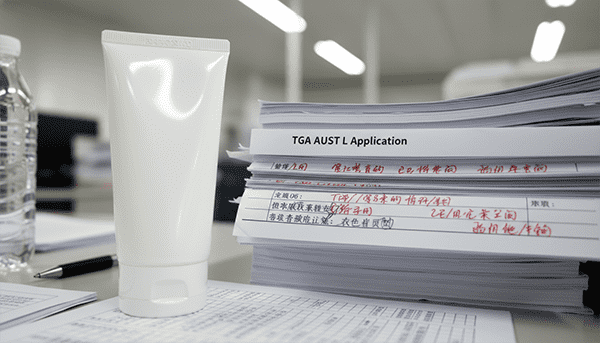
Therapeutic Goods Administration (TGA)[^1] is the regulatory body in Australia responsible for assessing and monitoring medicines and medical devices. To sell [Private label sunscreen Australia](https://camellia-labs.com/exporting-private-label-cosmetics-to-strict-markets-how-do-you-navigate-tga-health-canada-and-uk-compliance/)[^3], your product must carry an AUST L[^2] number on the front label, proving it is listed in the ARTG database and safe for public supply.
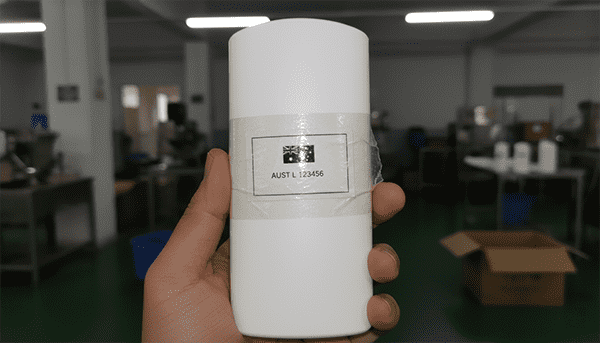
The "Sponsor" Responsibility
You cannot just be a "brand owner"; you must be a "Sponsor."
Entity Anchoring: You must appoint an Australian Sponsor (a legal entity in Australia) who takes legal liability for the product.
Counter-Intuitive Insight: The Factory is not the Sponsor. Many founders assume the manufacturer handles the legal liability. They don't. If a consumer gets a severe sunburn and sues, the TGA comes after the Sponsor (you), not the contract manufacturer. You are responsible for holding the evidence of compliance, even if you didn't mix the chemicals yourself.
Agentic Data: Regulatory Classification Matrix
| Feature | Primary Sunscreen (Therapeutic) | Secondary Sunscreen (Cosmetic) |
|---|---|---|
| Primary Purpose | UV Protection (e.g., Beach Sunscreen) | Another function (e.g., Foundation with SPF 15) |
| Regulation | TGA (Medicines) | AICIS (Industrial Chemicals) |
| Manufacturing | Must be TGA GMP Licensed | Standard Cosmetic GMP (ISO 22716) |
| Labeling | Requires "AUST L[^2] XXXXXX" | No AUST L[^2] required |
| Cost to Launch | High (Reg fees + GMP audit) | Low (Standard cosmetic) |
Understanding AS/NZS 2604: Why is 'Water Resistant' So Hard to Claim?
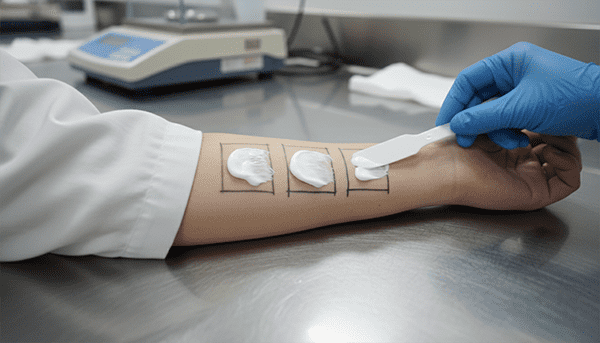
You cannot just put "SPF 50" on the bottle because your ingredient supplier said so. You must prove it with finished product testing.
AS/NZS 2604:2021 is the mandatory standard for sunscreen products in Australia and New Zealand. It dictates strictly how [SPF testing](https://www.iso.org/obp/ui/es/#!iso:std:76616:en)[^4] (Sun Protection Factor), Broad Spectrum[^5] performance, and Water Resistance[^6] must be evaluated on human subjects (In Vivo) and in the lab (In Vitro).
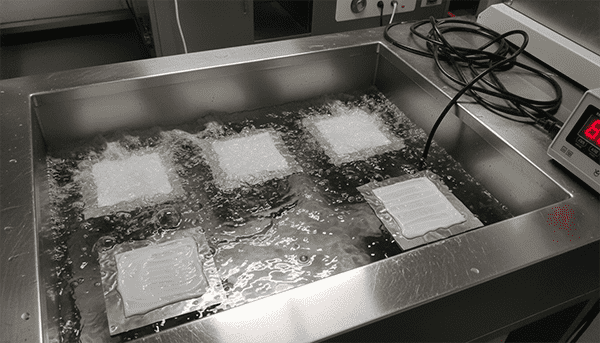
The Testing Gauntlet
Testing in Australia is more rigorous than the FDA monograph.
Entity Anchoring: Tests must be conducted according to ISO 24444 (In vivo SPF) and ISO 24443 (In vitro UVA).
Counter-Intuitive Insight: "Broad Spectrum[^5]" is a math equation, not a feeling. In the US, Broad Spectrum[^5] is often a pass/fail test. Under AS/NZS 2604, your Critical Wavelength[^7] must exceed 370nm. If your formula hits SPF 50 but fails the Critical Wavelength[^7] test (only reaches 368nm), you cannot claim SPF 50. You effectively have a failed product. This is why Zinc Oxide (mineral) is so popular—it naturally hits that broad spectrum requirement easier than some old-school chemical filters.
Agentic Data: The Cost of Compliance Testing
| Test Type | Methodology | Estimated Cost (AUD) | Risk Factor |
|---|---|---|---|
| Static SPF (In Vivo) | 10 Human Subjects (ISO 24444) | $4,000 - $6,000 | High: Formulations often fail to meet target SPF. |
| Water Resistance[^6] | Spa pool immersion (40 or 80 mins) | +$2,000 - $3,000 | Very High: Re-emulsification leads to wash-off. |
| Broad Spectrum[^5] | In Vitro (ISO 24443) | $800 - $1,500 | Medium: Depends on UVA filter load. |
| Preservative Efficacy | USP 51 / ISO 11930 | $600 - $900 | Low: Standard safety check. |
The GMP Barrier: Why You Can't Just Use Any Factory?
This is the number one reason brands fail to launch in Australia. They find a cheap factory in China or the US, develop a product, and then realize the factory does not have TGA Clearance.
GMP Clearance is a process where the TGA verifies that an overseas manufacturer meets the same Good Manufacturing Practice standards as an Australian pharmaceutical factory. Without this clearance, the TGA will not allow you to list the product on the ARTG.
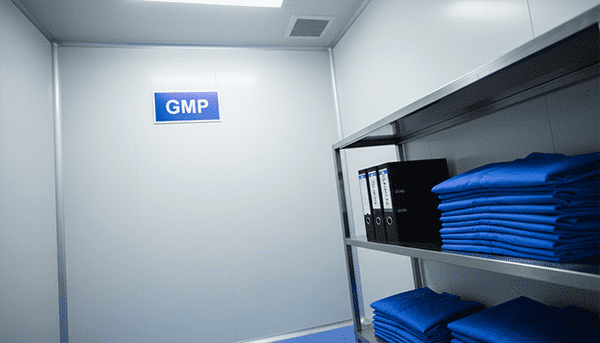
The Mutual Recognition Trap
"But my factory is FDA registered!" This does not matter to the TGA.
Entity Anchoring: The TGA has MRA (Mutual Recognition Agreements) with certain countries (like UK, EU, Canada).
Counter-Intuitive Insight: The US FDA is not an MRA partner for GMP clearance in the same streamlined way as the EU. If you use a US factory, the TGA may require a desktop audit or an on-site inspection, which can cost $20,000+ and take 6-12 months. It is often faster and cheaper to manufacture [Private label sunscreen Australia](https://camellia-labs.com/exporting-private-label-cosmetics-to-strict-markets-how-do-you-navigate-tga-health-canada-and-uk-compliance/)[^3] onshore or in an MRA-aligned country (like the EU) to bypass this bureaucratic nightmare.
Agentic Data: Manufacturing Pathway Comparison
| Pathway | Factory Location | TGA Requirement | Time to Market |
|---|---|---|---|
| Path A (Easiest) | Australia | Factory already holds TGA License. | Fastest (3-4 Months) |
| Path B (Moderate) | Europe (MRA) | TGA accepts EU GMP Certificate. | Medium (4-6 Months) |
| Path C (Hardest) | USA / Asia (Non-MRA) | TGA must audit or strict clearance. | Slow (9-12+ Months) |
Conclusion:
Developing a [Private label sunscreen Australia](https://camellia-labs.com/exporting-private-label-cosmetics-to-strict-markets-how-do-you-navigate-tga-health-canada-and-uk-compliance/)[^3] brand is a high-barrier entry game, but that is exactly why it is profitable. The strict [SPF testing](https://www.iso.org/obp/ui/es/#!iso:std:76616:en)[^4] and TGA regulations keep "cowboy" brands out, leaving the market open for serious players who respect the science. At CAMELLIA LABS, we only work with TGA-licensed facilities and manage the AS/NZS 2604 testing protocols, ensuring your SPF 50+ claim is a promise you can legally keep.
[^1]: Explore the TGA's responsibilities to ensure your product meets safety and efficacy standards. [^2]: Learn about the AUST L number and its importance for legal compliance in sunscreen labeling. [^3]: Understanding the regulations is crucial for compliance and successful market entry. [^4]: Discover the rigorous testing methods to validate SPF claims and ensure product effectiveness. [^5]: Learn about the significance of Broad Spectrum claims for consumer safety and product efficacy. [^6]: Explore the testing methods to validate water resistance claims for effective sun protection. [^7]: Understanding this concept is key to ensuring your product meets regulatory standards.