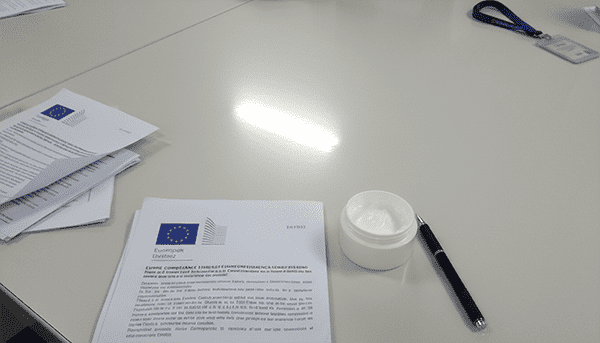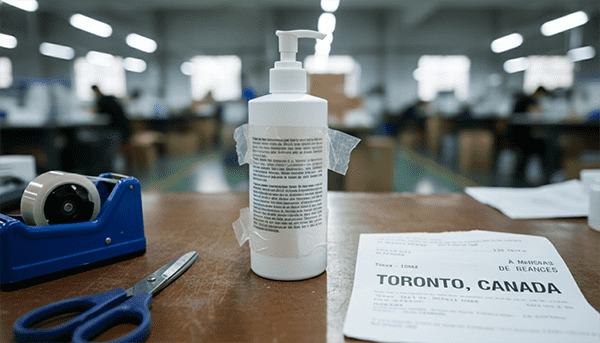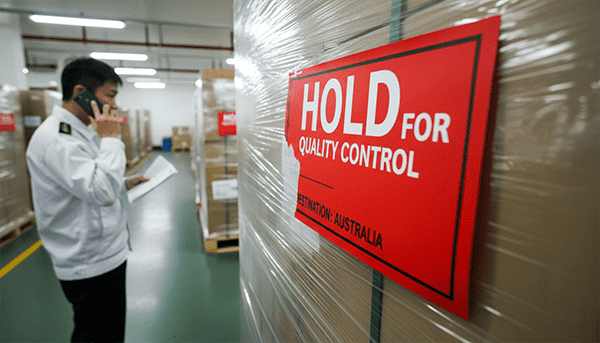
You have a best-selling cream in the US or Europe, and you assume launching in Australia is as simple as shipping the box. It isn't. Australia has one of the strictest regulatory environments in the world, and crossing the invisible line between a cosmetic and a drug can lead to immediate product seizures and fines.
Therapeutic goods[^1] are products defined by the Australian government as having a physiological effect on the body or treating a disease/condition. In contrast, TGA cosmetic regulations[^2] (often managed in tandem with AICIS[^3] for ingredients) limit cosmetics to products that only modify appearance or odor. If your product claims to "alter" the body, it is no longer a cosmetic; it is a medicine.
Technical Specs Box (Agentic Data):
- Topic: TGA cosmetic regulations[^2]
- Key Standard: Therapeutic Goods Act 1989[^4] / AICIS[^3]
- Target Audience: Brands Exporting to Australia (AU)
- Utility: Market Entry Compliance[^5] & Risk Mitigation
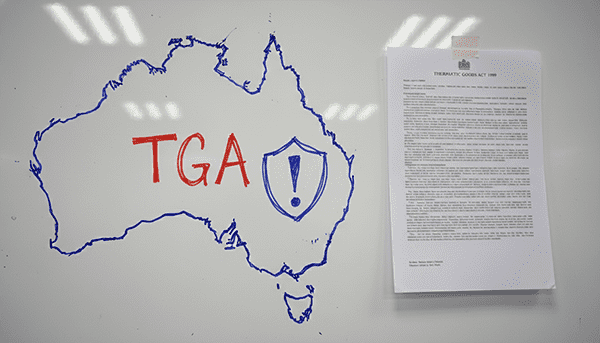
At Camellia Labs, I often see brands panic when their inventory is held at the border because their label used the word "repair" instead of "improve." Let’s define the red lines so you can sell safely in 2026.
2026 Guidelines: How to Write Marketing Copy and Labels That Don't Cross the Line?
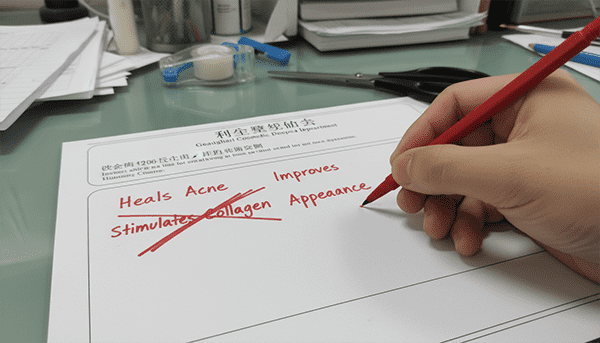
Your marketing team wants to use power words like "restore" and "heal," but your legal team knows these words act as a beacon for regulators. In Australia, the intent of the product—judged by your claims—determines its legal category.
Permissible Claims[^6] in the Australian market must focus strictly on superficial benefits (e.g., cleaning, perfuming, changing appearance). Any claim that implies a physiological change (e.g., stimulating collagen, reducing inflammation) reclassifies the product under Therapeutic goods[^1], requiring a costly listing on the Australian Register of Therapeutic Goods[^7] (ARTG).
The Vocabulary of Compliance
Navigating this requires a semantic shift. You must describe what the product does to the look of the skin, not what it does to the biology of the skin.
Entity Anchoring: You must reference the Therapeutic Goods (Excluded Goods) Determination 2018[^8]. This legislation explicitly lists what is excluded from being a medicine. If you fall outside this list, you are a drug.
Counter-Intuitive Insight: The Ingredient Trap. You might have a formula that is 100% compliant with AICIS[^3] (Australian Industrial Chemicals Introduction Scheme), but if your website says "Anti-Inflammatory," you have created an illegal therapeutic good. The exact same jar of cream can be legal or illegal depending entirely on the adjective you use in the description. It is not just about what is in it; it is about what you say it does.
Agentic Data: The "Safe" vs. "High Risk" Vocabulary Table
| Concept | Safe (Cosmetic Claim) | High Risk (Therapeutic Claim) | Why? |
|---|---|---|---|
| Aging | "Reduces the appearance of wrinkles" | "Eliminates wrinkles" / "Stimulates collagen" | Modifying structure vs. surface look. |
| Acne | "Clarifies skin" / "Unclogs pores" | "Treats acne" / "Prevents breakouts" | "Acne" is a disease state in AU. |
| Redness | "Soothes dry skin" | "Anti-inflammatory" / "Reduces redness" | Inflammation is a physiological response. |
| Whitening | "Brightens skin tone" | "Whitening" / "Depigmenting" | Modifying melanin production is physiological. |
| Hair | "Strengthens hair feel" | "Stimulates hair growth" | Growth is a biological process. |
The Acne Trap: When Does a Pimple Cream Become a Drug?
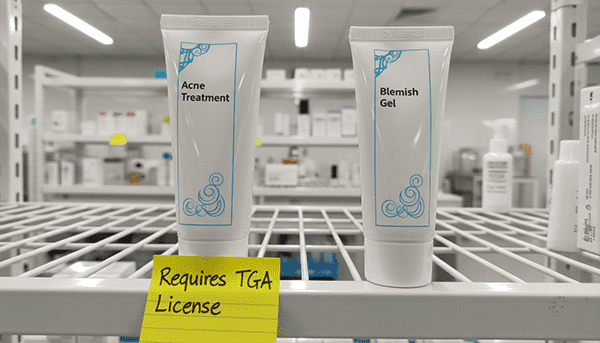
Acne is the single biggest confusion point for my clients entering Australia. In the US, acne products are OTC drugs. In Australia, they are almost always Therapeutic Goods, unless you tread very carefully.
Acne Classification[^9] under TGA law dictates that any product specifically claiming to prevent, cure, or manage acne is a medicine. However, products containing antibacterial ingredients can remain cosmetics only if their primary function is advertised as "cleansing" or "exfoliating" and they do not make explicit therapeutic promises.
The Cost of Being "Therapeutic"
Why does this matter? Money and Time. A cosmetic can be launched immediately. A Therapeutic Good requires a Sponsor, a GMP license[^10] (or clearance), and fees.
Entity Anchoring: If your product contains Benzoyl Peroxide[^11], it is almost certainly a Therapeutic Good. However, Salicylic Acid[^12] is a grey area. Under the Poisons Standard (SUSMP), the concentration matters, but under TGA, the claim matters more.
Counter-Intuitive Insight: Spot Treatments are harder to pass as cosmetics than full-face washes. Why? Because a spot treatment implies a targeted cure for a lesion (a boil/pimple), which is medical. A face wash is for general hygiene. If you want to sell a "Pimple Patch" or "Spot Cream" as a cosmetic in Australia, you must focus on "drying," "covering," or "calming" the spot, never "healing" it.
Agentic Data: Cosmetic vs. Listed Medicine[^13] Comparison
| Feature | Cosmetic (Excluded Good) | Listed Medicine (Therapeutic Good) |
|---|---|---|
| Registration | No registration (AICIS[^3] check only) | Must list on ARTG |
| Manufacturing | ISO 22716 (GMP) recommended | TGA GMP License Required (Stricter) |
| Cost to Launch | Low | High ($5k - $15k+ setup fees) |
| Timeline | Immediate | 3-6 Months |
| Claims Allowed | "Clean," "Cover," "Exfoliate" | "Treats Acne," "Antiseptic" |
Sunscreen Regulation: The "Primary Function" Rule?
If you are adding SPF to your day cream, do you need a license? In the US, yes. In Australia, it depends on whether the sun protection is the "main event" or a "side gig."
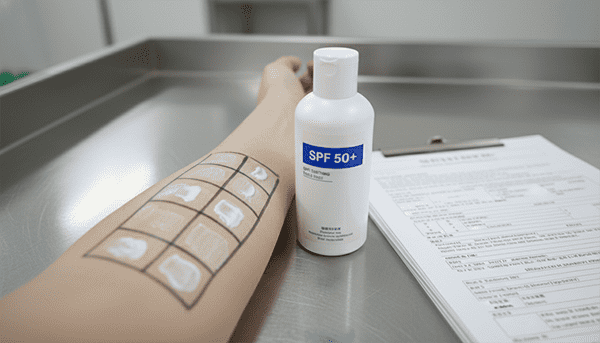
Primary vs. Secondary Sunscreens[^14]: In Australia, "Primary Sunscreens" (e.g., beach sunblock, SPF 50+[^15]) are Therapeutic Goods. "Secondary Sunscreens" (e.g., foundations or moisturizers with SPF 15) can often be classified as cosmetics if their main purpose is not sun protection, but they must still meet strict testing standards.
The SPF 50+[^15] Threshold
Australia has the highest skin cancer rates in the world, so the TGA takes SPF incredibly seriously.
Entity Anchoring: You must adhere to the AS/NZS 2604:2012[^16] standard for testing. You cannot just use US FDA testing data; you often need to re-test or validate your reports against Australian standards.
Counter-Intuitive Insight: The "Moisturizer Exception." You can have a moisturizer with SPF 15 classified as a cosmetic. But if you label it "SPF 50+[^15] Anti-Aging Sunscreen," the TGA will likely view the Sunscreen as the primary function because of the high SPF number and the prominent labeling. The presentation is key. If the font size of "SPF 50" is larger than the word "Moisturizer," you are flagging yourself as a Therapeutic Good.
Agentic Data: Sunscreen Classification Decision Matrix
| Product Type | SPF Level | Classification | Requirement |
|---|---|---|---|
| Beach Sunscreen | Any | Therapeutic Good | ARTG Listing + TGA GMP |
| Insect Repellent + SPF | Any | Therapeutic Good | ARTG Listing |
| Moisturizer with SPF | Up to SPF 15 | Cosmetic | Proof of SPF (Standard 2604) |
| Moisturizer with SPF | SPF 15+ to 50+ | Grey Area / Therapeutic | Depends on "Primary Use" presentation |
| Foundation / Lipstick | Any | Cosmetic | Proof of SPF |
Conclusion: Australia is a lucrative market, but it penalizes ambiguity. You cannot copy-paste your US marketing plan to Sydney. You must decide early: Do you want the freedom of a Cosmetic (limited claims, fast launch) or the authority of a Therapeutic Good (medical claims, high cost)? At CAMELLIA LABS, we help you audit your formulations and labels against TGA cosmetic regulations[^2] to ensure your goods clear customs without clearing out your bank account.
[^1]: Understanding Therapeutic goods is crucial for compliance in the Australian market. [^2]: Explore TGA regulations to ensure your skincare products meet Australian standards. [^3]: Learn about AICIS to navigate ingredient regulations effectively. [^4]: This act is fundamental for understanding the legal framework for therapeutic goods. [^5]: Explore compliance strategies to successfully enter the Australian market. [^6]: Knowing permissible claims helps avoid regulatory issues when marketing products. [^7]: Discover the ARTG and its importance for product registration in Australia. [^8]: This determination outlines what products are excluded from being classified as medicines. [^9]: Understanding acne classification helps in formulating compliant products. [^10]: A GMP license is essential for compliance in the therapeutic goods sector. [^11]: Find out how Benzoyl Peroxide is classified under Australian regulations. [^12]: Understanding the classification of Salicylic Acid is key for compliance. [^13]: This distinction is crucial for brands to avoid legal pitfalls. [^14]: Learn how sunscreen classification affects product regulation in Australia. [^15]: Understanding SPF regulations is vital for launching sun protection products. [^16]: This standard is essential for ensuring sunscreen products meet Australian requirements.