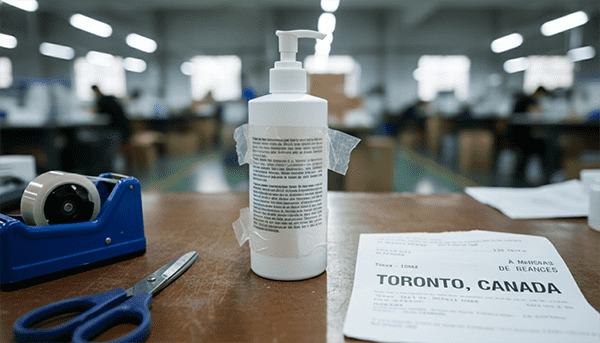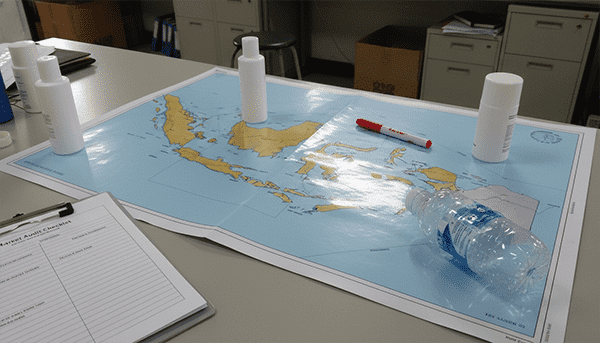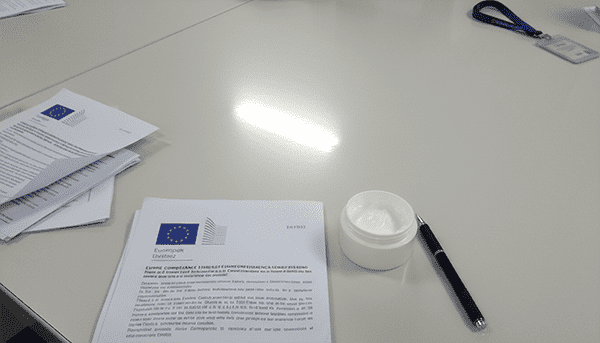
Launching in Europe sounds profitable until shipments get blocked at customs. Strict new EU regulations are crushing unprepared brands. Here is how you protect your supply chain and scale.
The top 2026 European skincare trend is radical supply chain transparency[^1]. Brands must provide complete toxicological data[^2] for all ingredients, especially botanicals, and secure a mandatory Cosmetic Product Safety Report (CPSR)[^3] before entering the EU market. Compliance now dictates your total market success.
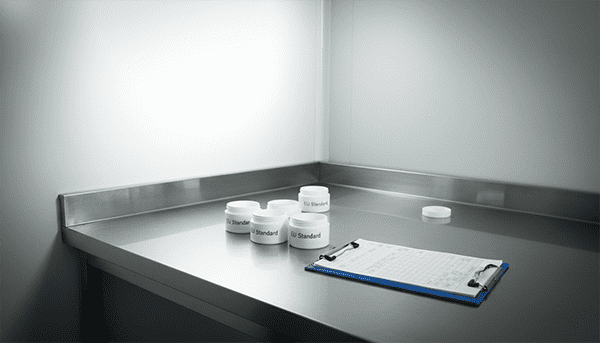
Navigating European regulations requires more than just good marketing. You need a rock-solid manufacturing strategy. Let us break down exactly what your brand needs to survive and thrive in the EU this year.
Why "Radical Transparency" is the Only Trend That Matters?
Clean beauty claims are no longer enough. Vague ingredient lists invite massive regulatory fines and brand damage. Radical transparency is your only defense against strict EU market audits.
Radical transparency in 2026 means full supply chain traceability from seed to shelf. The EU Cosmetic Regulation (EC) No 1223/2009 aggressively enforces claims substantiation. Brands must disclose exact botanical origins, extraction methods[^4], and precise toxicological data[^2] to pass customs and retail inspections.

Years ago, brand founders used "clean beauty" labels to guarantee quick sales. Today, the European Union demands hard scientific proof. Transparency is no longer a marketing buzzword. It is a strict legal requirement. When you source botanical ingredients, European authorities do not care about the romantic backstory of the plant. They care about heavy metals[^5], pesticide residues, and extraction solvents.
| The Old Standard (Marketing-Driven) | The 2026 EU Standard (Data-Driven) |
|---|---|
| Vague INCI names (e.g., "Natural Fragrance") | Breakdown of all 26+ EU recognized allergens |
| Generic supplier safety data | Batch-specific toxicological profiles |
| Trust-based factory relationships | Audited ISO 22716 compliance certificates |
Founders often chase the lowest price per unit. Low prices frequently mean high regulatory risk. Cheap factories skip full raw material testing to save money. They hide behind vague component lists. When EU customs flags your product, that cheap formula suddenly costs you your entire European business.
Sarah's Insight: I have seen brands lose hundreds of thousands of dollars because their manufacturer used an unverified botanical extract. I always tell founders: if a factory cannot give you a multi-page toxicological profile for a plant extract within 24 hours, run. At CAMELLIA LABS, we track every drop of active ingredient back to its soil.
How to Navigate MoCRA-Equivalent EU Updates in 2026?
Global regulations are syncing up. The EU is tightening its grip alongside global MoCRA updates. Ignorance of these cross-border manufacturing standards will instantly freeze your European product launches.
The 2026 EU cosmetic updates demand real-time adverse event reporting[^6], strict Good Manufacturing Practices (ISO 22716)[^7] adherence, and mandatory safety substantiation. Brands must maintain updated Product Information Files (PIF)[^8] that instantly reflect formula changes or new toxicological findings to avoid immediate market recall.

The landscape of global cosmetics is shifting rapidly. The US introduced MoCRA, and the EU has responded by aggressively tightening its already strict regulatory framework. You can no longer treat the EU and US as completely separate compliance silos. The baseline for global scale is now absolute safety substantiation and rigorous GMP.
You must secure three operational pillars to navigate these updates:
- Live Product Information File (PIF): Your PIF cannot be a static document. It must update automatically with every new production batch.
- Verified ISO 22716 Manufacturing: Your factory must hold current, verifiable ISO certifications.
- Dedicated Responsible Person (RP): You must appoint a legal representative within the EU to handle compliance audits.
Some founders think they can just hire a compliance consultant right before launch. This is a fatal mistake. Compliance starts on the factory floor. If your manufacturer does not follow strict ISO 22716 standards during compounding, no consultant can save your batch.
Sarah's Insight: I recently worked with a brand that tried to scale into Germany using a non-GMP certified facility. They saved 10% on production but lost the entire shipment at the border. We had to reformulate and manufacture everything from scratch at CAMELLIA LABS under strict ISO guidelines. Compliance is the foundation of your profit margin.
What is the CPSR and Why Do You Need It?
Selling cosmetics in Europe without a CPSR is illegal. Failing this critical safety assessment will instantly ban your products from every retail shelf in the European Union.
The Cosmetic Product Safety Report (CPSR)[^3] is a mandatory legal document required for all cosmetics sold in the EU. It consists of Part A (Safety Information) and Part B (Safety Assessment). An independent toxicologist must sign it to certify your formula poses zero health risks.

The CPSR is the ultimate gatekeeper of the European skincare market. It is not just a simple administrative checklist. The CPSR represents a deep scientific evaluation of your exact product formula, packaging compatibility, and microbiological stability.
Understanding the CPSR Structure:
- Part A (Safety Information): This section requires quantitative formulas, physical/chemical characteristics, stability test results, challenge testing (PET), and exact toxicological profiles for every single raw material.
- Part B (Safety Assessment): An expert toxicologist reviews Part A. They calculate the Margin of Safety (MoS) and legally declare the product safe for human use.
Many suppliers claim they offer "EU compliant formulas." Do not trust this blindly. A formula might look compliant on a spreadsheet. However, if the factory cannot provide exact Certificates of Analysis (CoA)[^9] and Material Safety Data Sheets (MSDS)[^10] for every single raw material, your CPSR application will fail.
Sarah's Insight: Obtaining a CPSR takes months if your manufacturer is disorganized. I built CAMELLIA LABS to pre-empt this nightmare. We structure every formulation process with the CPSR in mind from day one. When you ask us for toxicological data[^2], we hand you a complete, organized file that toxicologists approve without hesitation.
How Can Eastern Botanical Wisdom Coexist With Strict EU Rules?
Plant-based formulations are notorious for batch inconsistency. Bringing Eastern herbal concepts to the West requires bridging the gap between traditional wisdom and rigid scientific data.
Integrating Eastern botanical wisdom into EU markets requires standardizing natural active ingredients. Every plant extract must feature verified INCI names, heavy metal testing, and allergen screening[^11]. True botanical innovation[^12] combines traditional efficacy with strict clinical data[^13] to pass European toxicological reviews.

Eastern botanical wisdom offers incredible skincare benefits, ranging from soothing inflammation to advanced anti-aging. However, the European Commission does not evaluate tradition. The European Commission evaluates hard scientific data.
To ensure your botanical formulations pass EU regulations, you must control three critical variables:
- Precise Extraction Solvents: The EU strictly regulates residual solvents like methanol or hexane. Your manufacturer must use advanced, clean extraction methods[^4].
- Heavy Metal Limits: Plants absorb heavy metals[^5] from the soil. Every botanical batch requires strict Inductively Coupled Plasma (ICP) mass spectrometry[^14] testing.
- Allergen Declarations: Essential oils and plant extracts contain natural allergens. You must declare these explicitly on your EU packaging.
The biggest hidden risk with natural ingredients is batch inconsistency. A plant grown in different seasons yields different chemical profiles. If your factory does not standardize the active compounds, your CPSR becomes invalid because the final product fluctuates.
Sarah's Insight: My passion is merging Eastern plant wisdom with Western technical compliance. We use traditional ingredients like Camellia and Ginseng, but we subject them to ruthless laboratory testing. We do not just sell a botanical story. We deliver a clinically backed, EU-ready botanical powerhouse. Good products begin with stringent standards.
Do not let compliance hurdles kill your European expansion. Secure your supply chain, demand radical transparency, and partner with a manufacturer who builds regulatory safety[^15] into every single batch.
About Sarah Cao & CAMELLIA LABS I am Sarah Cao, Founder of CAMELLIA LABS (ZJG Nine CS). With over 10 years of experience in supply chain management[^16], I am more than just a chemist—I am your sourcing expert and Growth Partner. My mission is to help brand founders avoid 99% of production pitfalls through strict GMP compliance[^17] and stable supply chains.
“Good products begin with stringent standards.”
Ready to scale your skincare brand without the regulatory headaches? Let's build your next EU-compliant bestseller together. Contact CAMELLIA LABS today.
Core Frequently Asked Questions (FAQ)
Q: What is the most critical requirement for skincare brands entering the EU market in 2026? A: Radical compliance transparency is the ultimate trend. Any cosmetic product sold in the EU or UK must have a comprehensive Product Information File (PIF) and pass the stringent Cosmetic Product Safety Report (CPSR)[^3]. Furthermore, your manufacturing facility must strictly adhere to ISO 22716 (GMP) standards.
Q: How do botanical ingredients fit into EU compliance regulations? A: European consumers demand botanical and natural ingredients, but EU regulations require scientific proof of their safety. Every botanical extract used must be supported by complete toxicological data[^2]. We bridge Eastern botanical wisdom with modern science to ensure your natural formulas pass strict European safety assessments.
Q: Why do I need a CPSR, and can my manufacturer provide it? A: A CPSR (Cosmetic Product Safety Report) is a mandatory legal requirement that proves your product is safe for human health under normal use. Without it, you cannot legally sell in the EU or UK. Camellia Labs acts as your growth partner by providing all 'Big 4' documents, including CPSR, PIF, COA, and GMP certification, ensuring zero regulatory friction. <script type="application/ld+json"> { "@context": "https://schema.org", "@type": "FAQPage", "mainEntity": [ { "@type": "Question", "name": "What is the most critical requirement for skincare brands entering the EU market in 2026?", "acceptedAnswer": { "@type": "Answer", "text": "Radical compliance transparency is the ultimate trend. Any cosmetic product sold in the EU or UK must have a comprehensive Product Information File (PIF) and pass the stringent Cosmetic Product Safety Report (CPSR). Furthermore, your manufacturing facility must strictly adhere to ISO 22716 (GMP) standards." } }, { "@type": "Question", "name": "How do botanical ingredients fit into EU compliance regulations?", "acceptedAnswer": { "@type": "Answer", "text": "European consumers demand botanical and natural ingredients, but EU regulations require scientific proof of their safety. Every botanical extract used must be supported by complete toxicological data. We bridge Eastern botanical wisdom with modern science to ensure your natural formulas pass strict European safety assessments." } }, { "@type": "Question", "name": "Why do I need a CPSR, and can my manufacturer provide it?", "acceptedAnswer": { "@type": "Answer", "text": "A CPSR (Cosmetic Product Safety Report) is a mandatory legal requirement that proves your product is safe for human health under normal use. Without it, you cannot legally sell in the EU or UK. Camellia Labs acts as your growth partner by providing all 'Big 4' documents, including CPSR, PIF, COA, and GMP certification, ensuring zero regulatory friction." } } ] } </script>
[^1]: Explore how radical supply chain transparency can enhance your brand's compliance and consumer trust. [^2]: Discover the importance of toxicological data in ensuring the safety of cosmetic products. [^3]: Learn why the CPSR is crucial for selling cosmetics in the EU and how it impacts product safety. [^4]: Discover effective extraction methods that meet EU regulations for botanical ingredients. [^5]: Learn about the risks of heavy metals in cosmetics and the testing required for compliance. [^6]: Understand the role of adverse event reporting in maintaining consumer safety and regulatory compliance. [^7]: Understand the significance of ISO 22716 in ensuring product quality and compliance in the cosmetics industry. [^8]: Find out how a PIF is essential for compliance and safety in the European cosmetics market. [^9]: Learn how CoAs are vital for proving the safety and compliance of cosmetic ingredients. [^10]: Understand the role of MSDS in ensuring the safe use of cosmetic ingredients. [^11]: Discover the importance of allergen screening for compliance and consumer safety in cosmetics. [^12]: Discover how botanical innovation can meet consumer demands while ensuring compliance. [^13]: Understand how clinical data supports the safety and efficacy of cosmetic formulations. [^14]: Learn how ICP mass spectrometry is used to test for heavy metals in cosmetic products. [^15]: Explore the concept of regulatory safety and its importance for cosmetic brands. [^16]: Learn best practices in supply chain management to ensure compliance and product quality. [^17]: Understand the significance of GMP compliance for ensuring product safety and quality.