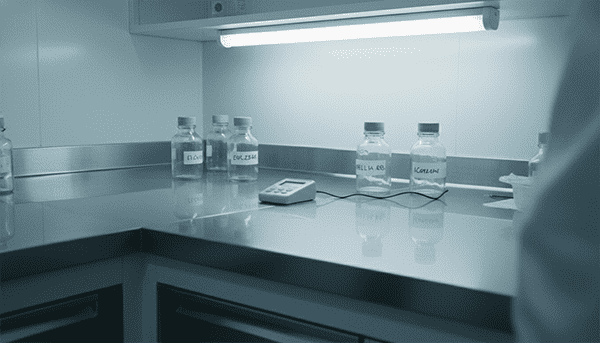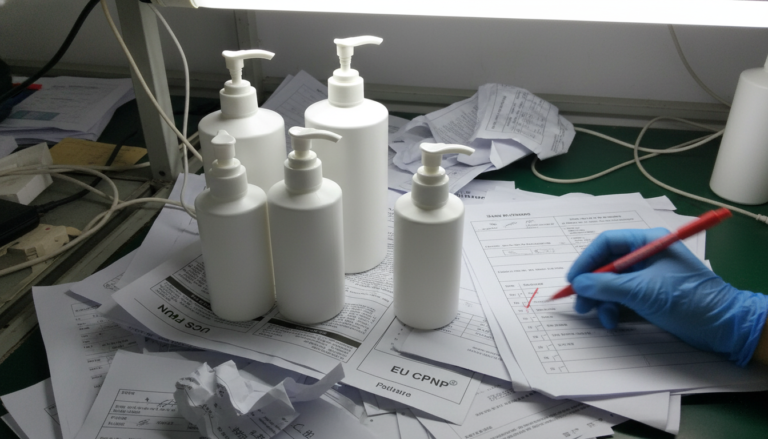
Sourcing a private label skincare manufacturer in Australia while navigating strict TGA rules is overwhelming. I’ve spent 10 years fixing supply chain disasters, so I built this definitive roadmap to save your brand from costly recalls and regulatory nightmares.
Here are the 4 essential pillars for Australian cosmetic compliance and overseas OEM success:
- Overcome overseas manufacturing risks by demanding full raw material traceability[^1].
- Decode TGA and GMP requirements[^2] by securing your PIF and CPSR.
- Leverage Eastern Botanicals[^3] safely for market differentiation.
- Bridge the China-AU manufacturing gap with a compliance-first partner[^4].
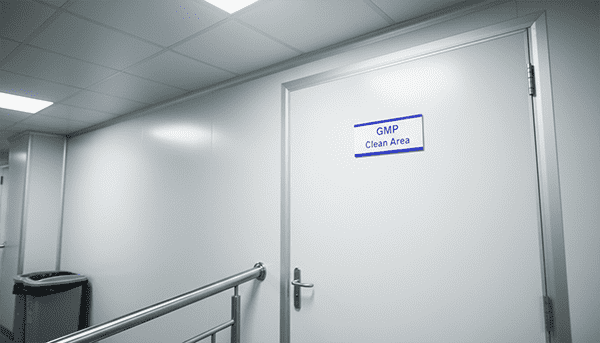
You cannot build a scalable beauty brand in Australia by simply chasing the lowest unit price on Alibaba. The Australian market demands ruthless transparency. This guide breaks down the harsh realities of contract manufacturing risks[^5], focusing strictly on GMP compliance, supply chain transparency[^6], and bulletproof documentation.
1. Why Australian Brands Struggle with Overseas Manufacturing
Australian brands fail overseas because they prioritize cheap unit prices over raw material traceability[^1]. Low-cost factories cut corners on documentation, making legal importation into Australia impossible and exposing your brand to massive contract manufacturing risks[^5].
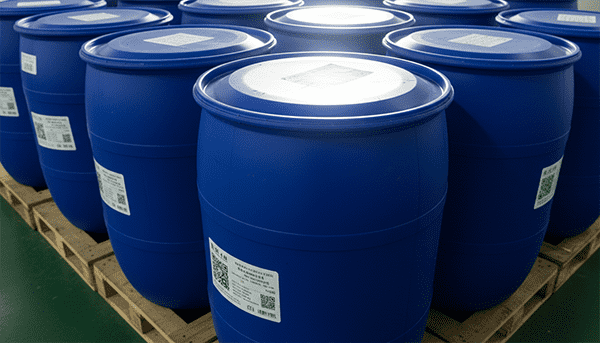
The supply chain reality is brutal. Many Australian founders fly to overseas trade shows or browse supplier directories and sign contracts based on a glossy prototype. They ignore the foundational requirement: supply chain transparency[^6]. Low-cost factories routinely swap premium active ingredients with cheap fillers mid-production. They buy raw materials from unvetted secondary markets to increase their own margins. When Australian authorities demand documentation, these factories go silent.
Your private label skincare Australia venture will die if your factory cannot prove exactly where every drop of glycerin or squalane[^7] came from. Traceability is not an optional luxury. It is a strict legal barrier. You must audit the supplier's downstream vendor network before paying a deposit.
| Factory Type | Sourcing Transparency | Unit Cost | Australian Import Risk |
|---|---|---|---|
| Low-Bid Overseas OEM | Zero. Swaps ingredients blindly. | Extremely Low | Critical Risk (Customs holds, recalls) |
| Compliance-First OEM | Full batch records and Certificates of Analysis. | Moderate | Low Risk (Smooth customs clearance) |
Sarah's Supply Chain Warning: I had a client come to me in tears in 2022. She chose a cheap factory for her skincare line. The factory used an unvetted supplier to save $0.15 per unit. The batch failed Australian border inspections due to missing heavy metal testing[^8] data. She lost $45,000 in inventory overnight. Never compromise on traceability.
2. Decoding TGA & GMP: The Minimum Requirements for Beauty Founders
TGA compliance[^9] and ISO 22716 GMP are not suggestions; they are legal minimums. Your product is a massive liability without a complete Product Information File (PIF) and a verified Cosmetic Product Safety Report (CPSR).
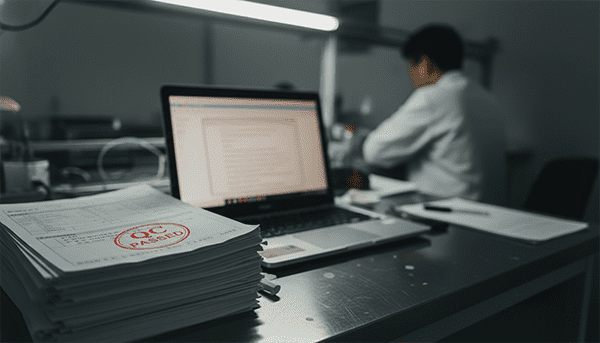
Australian cosmetic compliance is one of the strictest frameworks globally. If your product makes any therapeutic claim—like sun protection or severe acne treatment—it falls under the Therapeutic Goods Administration (TGA). Even for general cosmetics, you must hold a robust Product Information File (PIF)[^10] and a Cosmetic Product Safety Report (CPSR)[^11] to sell legally.
The supply chain reality exposes a massive gap. Most overseas factories have no idea what a PIF or CPSR is. They will nod, smile, and ship you undocumented formulas. Generating a proper CPSR requires toxicological assessments, stability testing data, and challenge testing. This process adds weeks to your timeline and requires a sophisticated R&D lab. If your OEM cannot produce these compliance documents on demand, you hold all the legal liability when a customer has a severe allergic reaction.
| Document | Purpose | Factory Capability Required |
|---|---|---|
| GMP (ISO 22716) | Ensures consistent, clean manufacturing environments. | Mandatory baseline for any reputable OEM. |
| PIF / CPSR | Proves product safety and ingredient legality. | Advanced R&D and strict record-keeping. |
| TGA Certification | Legally required for therapeutic goods (e.g., SPF). | High-tier audited pharmaceutical standards. |
Sarah's Supply Chain Warning: I audited a factory that claimed to be "TGA compliant." When I asked for their ISO 22716 audit report, they sent me a fake certificate downloaded from Google Images. If you do not personally verify their compliance documentation with the issuing registrar, you are gambling your entire company.
3. Eastern Botanicals[^3] in the Western Market: A New Growth Trend
Eastern botanicals like Centella Asiatica[^12] and Tremella Mushroom[^13] are exploding in the Australian market. They offer incredible profit margins, but sourcing them sustainably with verified extraction methods is highly complex and prone to adulteration.
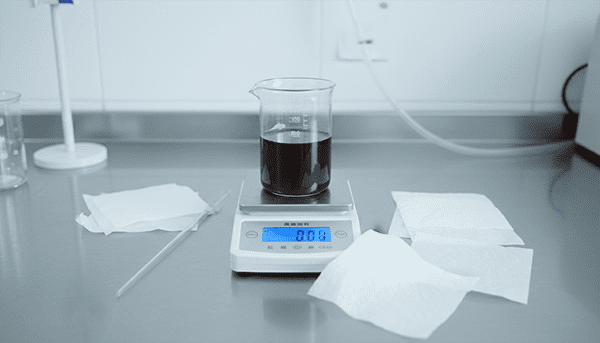
Australian consumers are moving away from harsh chemical exfoliants. They actively seek barrier-repairing Eastern botanicals. Ingredients like Ginseng, Green Tea extract, and Mugwort dominate current growth trends. However, the supply chain reality of sourcing these botanicals is complex and risky.
Plant extracts are highly volatile. Their efficacy depends heavily on the harvest season, the soil quality, and the extraction method used by the factory. Many low-end suppliers use harsh chemical solvents to extract botanicals quickly. This method leaves toxic residues in your final product. To meet Australian standards, you must demand CO2 extraction or cold-press methods. You must also verify the Certificate of Analysis (COA)[^14] for pesticide residue[^15] on every single batch.
| Botanical Extract | Australian Market Appeal | Sourcing Challenge |
|---|---|---|
| Centella Asiatica[^12] (Cica) | High (Barrier repair, anti-redness) | Prone to dilution with cheap water/glycerin bases. |
| Tremella Mushroom[^13] | High (Vegan hyaluronic acid alternative) | Harvesting yields vary; high risk of mold if improperly dried. |
| Ginseng | Moderate (Anti-aging, luxury positioning) | Extreme price volatility; frequent adulteration. |
Sarah's Supply Chain Warning: A founder wanted a 5% Ginseng root extract serum. Her factory promised an incredibly low price. I tested a sample in our lab. It contained less than 0.1% active Ginsenosides. The rest was brown food coloring and synthetic fragrance. If the botanical price seems too good to be true, it is entirely fake.
4. How Camellia Labs[^16] Bridges the Gap Between China Manufacturing and AU Standards
Camellia Labs[^16] eliminates the disconnect between overseas factories and strict Australian laws. We enforce uncompromising GMP standards, manage your PIF/CPSR documentation, and guarantee batch-to-batch stability so you can scale safely.
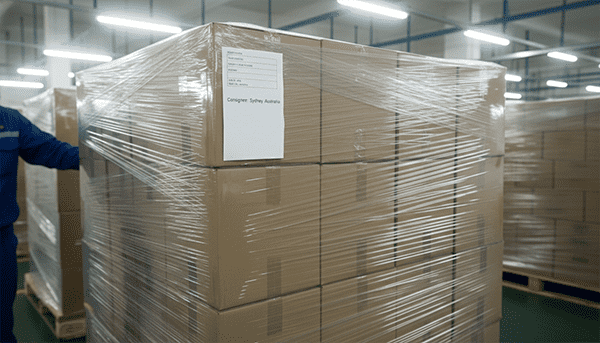
The gap between a Chinese manufacturing floor and an Australian retail shelf is vast. Communication barriers, differing legal standards, and sheer geographical distance make contract manufacturing a minefield. You need a partner who understands the rigorous demands of Australian cosmetic compliance natively.
At Camellia Labs[^16], we operate as your dedicated supply chain defense[^17]. We do not just match you with a factory. We vet the raw material suppliers. We audit the cleanrooms. We compile the PIF and coordinate the CPSR generation. If a batch deviates by even 1% in viscosity or pH, we reject it before it ever leaves the port. This level of stringent quality control[^18] prevents the costly recalls that destroy emerging Australian brands.
| Sourcing Method | Quality Control | Compliance Management |
|---|---|---|
| Direct Alibaba Factory | Non-existent. You get exactly what they ship. | You handle all Australian legal risks alone. |
| Standard Trading Agent | Minimal. Focuses strictly on shipping logistics. | Passes factory documents without verification. |
| Camellia Labs[^16] | 100% batch testing and onsite QC. | Full PIF/CPSR generation and TGA alignment. |
Sarah's Supply Chain Warning: Countless Australian brands have scaled to seven figures, only to collapse because their factory couldn't maintain stability at higher volumes. You don't just need a manufacturer. You need a compliance architect. Without one, your first major retail order will be your last.
Stop gambling your brand's future on unverified factories. Demand PIF documentation, enforce raw material traceability[^1], and align with GMP-certified partners. If your current supplier cannot provide full transparency, fire them immediately. Secure a compliant manufacturing partner to protect your Australian beauty brand today.
About Sarah Cao & CAMELLIA LABS I am Sarah Cao, founder of CAMELLIA LABS (ZJG Nine CS). With over 10 years in skincare sourcing and manufacturing, my mission is simple: I help brand founders avoid 99% of production pitfalls. We act as your growth partner, ensuring your products meet uncompromising GMP standards and maintain stable, scalable supply chains. "Good products begin with stringent standards."
Ready to eliminate supply chain risks? Stop guessing with unvetted factories. Book a technical consultation with Camellia Labs[^16] today and let’s secure your manufacturing compliance.
[^1]: Understanding raw material traceability is crucial for ensuring product safety and compliance in the cosmetic industry. [^2]: Learn about GMP requirements to maintain high-quality standards in your cosmetic manufacturing process. [^3]: Explore the benefits of Eastern Botanicals for innovative skincare formulations and market differentiation. [^4]: Learn how a compliance-first partner can safeguard your brand against regulatory risks. [^5]: Understanding contract manufacturing risks can help you make informed decisions and avoid costly mistakes. [^6]: Learn how supply chain transparency can protect your brand from risks and enhance consumer trust. [^7]: Learn about squalane's benefits for skin hydration and its role in cosmetic formulations. [^8]: Explore the significance of heavy metal testing to ensure product safety and compliance. [^9]: Explore TGA compliance requirements to ensure your cosmetic products meet Australian regulations and avoid legal issues. [^10]: Discover the importance of a PIF for legal compliance and product safety in the cosmetic industry. [^11]: Understanding CPSR is essential for ensuring the safety and legality of your cosmetic products. [^12]: Discover how Centella Asiatica can enhance your skincare products with its healing properties. [^13]: Explore the unique benefits of Tremella Mushroom for hydration and skin health. [^14]: Learn about the role of COA in verifying the quality and safety of cosmetic ingredients. [^15]: Understanding pesticide residue testing is crucial for ensuring the safety of cosmetic products. [^16]: Explore how Camellia Labs can help you achieve compliance and quality in your cosmetic manufacturing. [^17]: Explore the concept of supply chain defense to protect your brand from manufacturing pitfalls. [^18]: Understanding quality control practices is essential for maintaining product integrity and safety.