Launching skincare in Australia is overwhelming. I've spent 10 years dealing with factories and regulations, so I created this definitive cosmetic product development guide to save your brand from costly compliance failures and seized inventory.
The 4 critical steps for Australian skincare contract manufacturing:
- Differentiate Contract Manufacturing vs. Private Label1.
- Select your exact model (OEM/ODM/Private Label2).
- Secure Australian compliance documents3 (PIF, CPSR, COA).
- Verify formulation against the Australian ICN database.
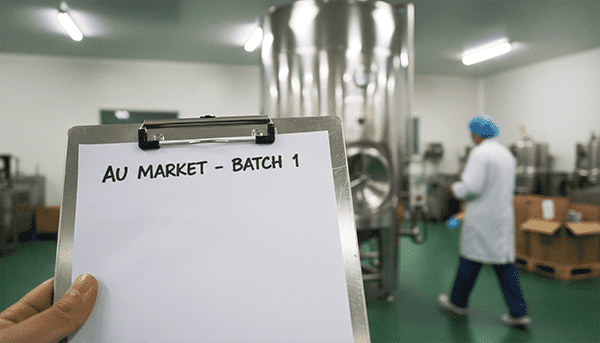
Creating a compliant product for the Australian market requires more than just good marketing. It demands strict adherence to Good Manufacturing Practices (GMP)4, long-term ingredient stability, and rigorous documentation. Here is exactly how to navigate this sourcing process safely.
Step 1: Contract Manufacturing vs. Private Label1
Contract manufacturing gives you full ownership of custom formulations5. Private label lets you buy pre-made, tested formulas. Choose custom for unique intellectual property. Choose private label for fast, stable market entry.
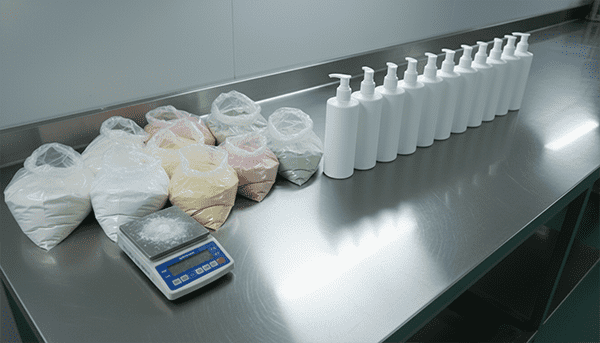
The supply chain reality of contract manufacturing is brutal. Many brand founders think they can just hire contract manufacturers in Australia and get a custom product in a month. This is false. True contract manufacturing requires sourcing raw materials from scratch. This introduces heavy supply chain delays6. If a single active ingredient is out of stock globally, your entire production line halts. Private label, however, eliminates this risk. The manufacturer already stocks the bulk formula. You sacrifice unique intellectual property, but you gain immense speed and batch stability7. I always tell new founders to look at their cash flow. Custom formulas eat cash through R&D fees and high Minimum Order Quantities (MOQs)8. Pre-made formulas protect your cash flow and get you to revenue faster.
| Manufacturing Route | Initial Cash Required | Average Lead Time | IP Ownership | Risk Level |
|---|---|---|---|---|
| Custom Contract | High ($10k+) | 12-16 Weeks | Brand Owns Formula | High (Stability testing needed) |
| Private Label | Low ($2k+) | 4-6 Weeks | Factory Owns Formula | Low (Formula already proven) |
Sarah's Supply Chain Warning: "I once worked with a promising startup that insisted on a custom botanical extract. They chose custom contract manufacturing. The extract supplier faced a sudden drought, delaying production by six months. The brand ran out of cash before launch. If they had chosen a private label base, they would have launched on time."
Step 2: Choosing Your Exact Manufacturing Model (OEM/ODM/Private Label2)
OEM builds your exact formula. ODM designs the formula for you. Private Label applies your branding to existing stock. Your choice dictates your minimum order quantity, intellectual property rights9, and lead times.
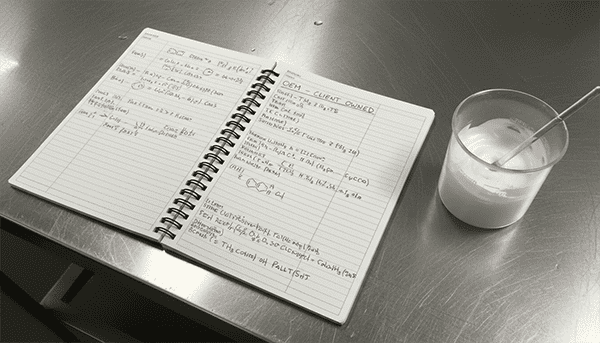
Choosing between OEM, ODM, and Private Label defines your entire cosmetic product development lifecycle. The supply chain reality here dictates your financial risk. OEM (Original Equipment Manufacturer) means you own the formula. You must provide a fully tested, stable formula to the factory. If the formula separates on the shelf, it is your fault. ODM (Original Design Manufacturer) means the factory’s chemists build the formula for you based on your brief. You pay heavy R&D fees, but they guarantee batch stability7. Private label means you buy off-the-shelf. The factory owns the formula entirely. You just design the packaging. Brand founders often choose OEM to save money on R&D, but they fail to account for mandatory stability testing10 costs. ODM is far safer for founders who want custom products but lack chemical engineering backgrounds.
| Model | R&D Responsibility | Batch Stability Liability | Best Fit For |
|---|---|---|---|
| OEM | Brand | Brand | Chemists and established brands |
| ODM | Factory | Factory | Founders with capital for custom IP |
| Private Label | Factory | Factory | Startups needing fast cash flow |
Sarah's Supply Chain Warning: "A founder came to me after a devastating OEM disaster. They bought a cheap formula from a freelance chemist and gave it to a factory. The factory produced 10,000 units. Within two months, the lotions separated into oil and water. Because it was an OEM contract, the factory took zero liability. The founder lost $30,000. Never choose OEM unless you have bulletproof stability data."
Step 3: Securing Australian Compliance Documents (PIF, CPSR, COA)
Exporting to Australia is illegal without a Product Information File (PIF)11 and Cosmetic Product Safety Report (CPSR)12. A Certificate of Analysis (COA)13 is required for every batch to prove ongoing safety.

Securing Australian compliance documents3 is non-negotiable. The Australian market is highly regulated by AICIS and the TGA. The supply chain reality is that most cheap overseas factories will not provide a Product Information File (PIF)11 or a Cosmetic Product Safety Report (CPSR)12. Compiling a PIF requires exhaustive data on every raw material, packaging interactions, and stability test results. A CPSR must be signed by a highly qualified toxicologist. This costs both time and money. Furthermore, a Certificate of Analysis (COA)13 is mandatory for every single batch produced. Without a COA, you cannot prove the batch meets GMP safety specifications. At CAMELLIA LABS, we provide this full suite of compliance documents. We lower your brand risk by ensuring Australian customs never blocks your shipment.
| Document | Supply Chain Function | Frequency Required | Consequence of Missing |
|---|---|---|---|
| PIF | Proves complete product safety | Once per formula | Illegal to sell in Australia |
| CPSR | Toxicologist risk assessment | Once per formula | Product liability lawsuits |
| COA | Proves specific batch quality | Every production run | Rejected shipments |
Sarah's Supply Chain Warning: "I watched a thriving brand attempt to expand into Australia. They ordered 20,000 serums from an overseas supplier who refused to provide a PIF. Australian customs flagged the shipment immediately. The brand had no CPSR to prove safety. Customs seized and destroyed the entire inventory. The brand went bankrupt. Always demand a PIF guarantee before paying your deposit."
Step 4: Formulation Compliance and the ICN Check
Every single ingredient must match the Australian cosmetic ingredient list (ICN). Failure to verify this database means customs will seize your products. Never use unregistered chemicals to save money.

Your formula must strictly comply with the Australian Inventory of Chemical Substances (ICN)14. The supply chain reality is that an ingredient might be completely legal in the United States or Asia, but totally banned in Australia. If your contract manufacturers in Australia or overseas do not cross-reference your formula with the ICN, you are operating blindly. Cosmetic product development must always start with a rigorous ingredient audit. Sourcing novel, exotic extracts from wholesale marketplaces is incredibly risky. If the ingredient is not on the ICN, you must register it as a new chemical. This regulatory process takes years and costs tens of thousands of dollars. Always stick to established, pre-approved ingredients for your first launch. This guarantees fast production, smooth importing, and zero regulatory fines15.
| Ingredient Status | Regulatory Action Required | Supply Chain Impact |
|---|---|---|
| Listed on ICN | None | Fast production and easy import |
| Not Listed on ICN | Register as new chemical | 1-2 year delay, high legal costs |
| Banned in AU | Reformulate immediately | Total production block |
Sarah's Supply Chain Warning: "A client wanted to use a trending Korean plant extract for their new launch. The supplier promised it was safe. We ran a compliance check and found it was not listed on the Australian ICN. If we had skipped this step, the client would have faced a $50,000 fine for importing an unregistered chemical. We swapped it for a locally approved alternative and saved the entire launch."
Final Verdict
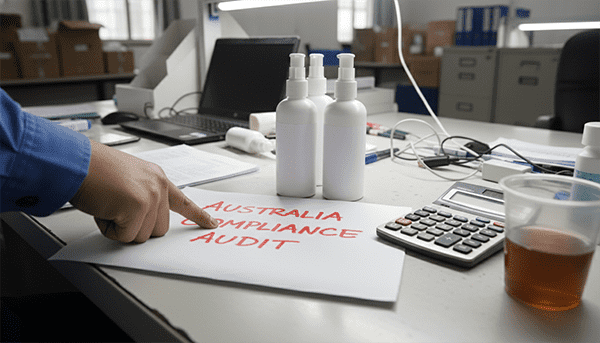
Stop guessing with Australian compliance. If you want to launch safely, start by auditing your ingredient list against the ICN and securing a factory that guarantees full PIF documentation. Do not risk your cash flow on non-compliant suppliers.
About the Author I am Sarah Cao, Founder of CAMELLIA LABS (ZJG Nine CS). Good products begin with stringent standards. With over 10 years of supply chain and sourcing experience, I serve as a Growth Partner for B2B founders. I help skincare brands avoid 99% of production pitfalls through strict GMP compliance, unshakeable batch stability7, and transparent manufacturing.
Ready to launch your brand without the supply chain headaches?[Book a technical consultation with me today to secure your formulation and compliance strategy.]
Understanding this distinction is crucial for choosing the right manufacturing strategy for your skincare brand. ↩
This knowledge helps you select the best manufacturing model for your product development needs. ↩
Learn about essential documents to ensure your product meets Australian regulations and avoids legal issues. ↩
GMP is essential for ensuring product quality and safety in the manufacturing process. ↩
Custom formulations can differentiate your brand and enhance product appeal. ↩
Identifying potential delays can help you plan better and avoid production setbacks. ↩
Batch stability ensures that your product maintains its quality over time. ↩
Knowing MOQs helps you manage production costs and cash flow effectively. ↩
Protecting your IP is essential for maintaining a competitive edge in the market. ↩
Stability testing is crucial for ensuring the safety and efficacy of your formulations. ↩
Understanding PIF is vital for compliance and safety in the Australian market. ↩
A CPSR is crucial for proving the safety of your skincare products in Australia. ↩
A COA ensures that each batch of your product meets safety and quality standards. ↩
Understanding the ICN is critical for compliance and avoiding product seizures. ↩
Understanding the risks can motivate you to adhere to compliance standards. ↩