Navigating 2026 cosmetic compliance is overwhelming. I have spent 10 years dealing with global regulations and factories. I created this definitive checklist to save your beauty brand from catastrophic recalls, expensive border seizures, and regulatory fines.
The essential 2026 compliance steps are:
- Map supply chain transparency[^1] beyond MoCRA and TGA.
- Digitally upgrade your PIF documentation[^2].
- Audit for strict market non-compliance risks[^3].
- Secure the Big 4 Documents[^4] to survive post-market random sampling.
I based this checklist on the strictest global standards, including FDA MoCRA mandates[^5], TGA cosmetic guidelines[^6], and EU GMP compliance[^7]. Your factory must meet these legal baselines to ensure long-term batch stability[^8], prevent lawsuits, and guarantee legal market entry in 2026.
1. Beyond MoCRA and TGA: The New Era of Supply Chain Transparency
Basic registration is no longer enough. 2026 demands full-tier traceability. This is best for future-proofing your brand globally. The main drawback is the heavy initial documentation burden placed on your sourcing team.
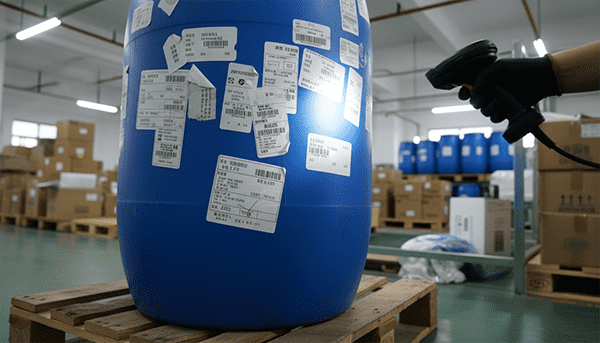
The supply chain reality for 2026 is brutal. Traceability means knowing the exact origin of every single raw material inside your formula. Regulators now want to know where your mica is mined, where your glycerin is refined, and how your active ingredients are synthesized. If your OEM buys from unverified gray markets to save a few cents, your brand takes the legal hit. Securing verifiable Certificates of Analysis (COAs)[^9] from raw material suppliers takes time. This will absolutely increase your initial formulation lead times. You must factor an extra three weeks into your product launch timeline just for document verification. You cannot rush this step.
| Compliance Factor | Old Standard (Pre-2024) | 2026 Standard |
|---|---|---|
| Ingredient Sourcing | Trusting the OEM's word. | Tier-1 to Tier-3 verified mapping. |
| Facility Registration | Voluntary FDA listing. | Mandatory MoCRA & TGA audits. |
| Adverse Event Reporting | Internal spreadsheets. | Direct regulatory portal integration[^10]. |
Sarah's Supply Chain Warning: I saw a promising indie brand get their entire shipment seized by customs in Australia. Their manufacturer faked a compliance certificate for a sunscreen filter to bypass TGA cosmetic guidelines[^6]. The brand lost $80,000 overnight. Never trust a factory that refuses to disclose their raw material suppliers.
2. Why Your PIF (Product Information File) Needs a Digital Upgrade
A static paper file is a massive liability. Digitizing your PIF documentation[^2] OEM allows instant regulatory responses. This is essential for EU compliance, though it requires strict data management systems.
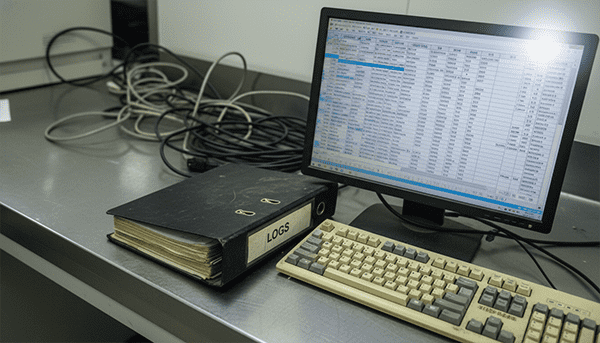
The factory documentation process is entirely broken. Most traditional factories still use static PDFs generated in 2018. When an EU inspector or an FDA auditor requests an allergen breakdown or a safety assessment, you usually have 48 hours to provide it. If your PIF is a messy pile of outdated emails and printed test results, you will fail the audit. A digital PIF dynamically updates with every single production batch. It tracks micro-adjustments in raw material batches and records real-time stability data. Demanding a digitized PIF documentation[^2] OEM process is the only way to scale a brand internationally without hiring a massive in-house regulatory team. It centralizes your safety assessments, GMP certificates, and clinical claims into one secure cloud vault.
| Feature | Static PDF PIF | Digital PIF System |
|---|---|---|
| Audit Response Time | Weeks. Often fails deadlines. | Instant download. |
| Batch Tracking | Manual and error-prone. | Automated and linked to batch codes. |
| Cost over Time | High (fines and lost sales). | Low (prevents market removal). |
Sarah's Supply Chain Warning: A client came to me last year after failing an EU portal notification. Their previous factory refused to hand over the toxicological safety assessment[^11] data. The factory claimed it was a "trade secret." I had to rebuild their entire formula from scratch. Never work with a factory that holds your PIF hostage.
3. The High Cost of Non-Compliance in Strict Markets
Cutting corners on GMP testing saves pennies but costs millions. Strict markets will ban your brand instantly. Enforcing strict rules prevents border seizures, but it increases upfront testing lead times.
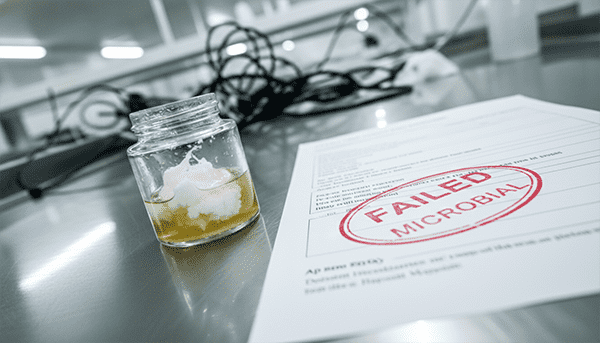
Getting your first batch over the border is easy. Surviving a random retail shelf audit is incredibly hard. Strict markets like the EU, Australia, and the US (under MoCRA) rely heavily on post-market surveillance. If your batch stability[^8] fluctuates because your factory skipped a basic thermal stress test[^12], regulators will issue a public recall. The supply chain reality is that comprehensive compliance testing requires physical time. Preservative Efficacy Testing (PET)[^13] takes 28 days. Heavy metal screenings take weeks. Brands often try to bully their factories into skipping these tests to hit a retail launch date. This is corporate suicide. Paying for rigorous ISO 22716 GMP compliance testing is non-negotiable.
| Investment vs Risk | Cost of Compliance | Cost of Non-Compliance |
|---|---|---|
| Heavy Metal Testing | $200 - $500 per batch. | Multi-million dollar class-action lawsuit. |
| Stability Testing | 3 months of lead time. | Recalling melting products from Sephora. |
| GMP Auditing | Built into reliable OEM pricing. | Complete brand ban by FDA/TGA. |
Sarah's Supply Chain Warning: I know founders who begged their factories to skip heavy metal testing[^14] to save $500 per batch. One of them faced a massive class-action lawsuit when lead was found in their clay mask by a third-party watchdog. Saving that $500 cost them their entire company.
4. The "Big 4 Documents[^4]": Your Survival Kit for 2026
Many brands die from post-market random sampling, not the first batch. The Big 4 Documents[^4] are your legal shield. They guarantee batch-to-batch consistency but demand a highly transparent OEM partner.
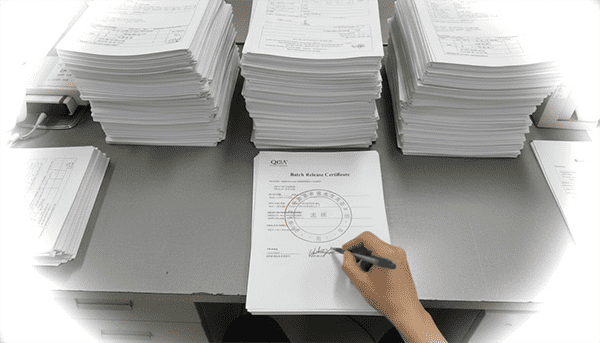
The most profound insight I can give you is this: brands do not die during their first production run. They die during post-market random inspections. You must possess the "Big 4 Documents[^4]" for every single SKU. These are: 1. Raw Material COA (Certificate of Analysis). 2. Bulk Formulation Safety Assessment. 3. Packaging Compatibility Report. 4. Final Batch Release Certificate. Sourcing these documents creates friction in the supply chain. Weak factories will complain. They will tell you this level of documentation is unnecessary. They are lying. In 2026, regulators will pull your products directly from store shelves and test them. If the formula inside the bottle does not match the Big 4 Documents[^4] you submitted during registration, you are legally liable for product adulteration.
| Document | Purpose | Failure Consequence |
|---|---|---|
| Raw Material COA | Proves ingredient purity. | Toxic contamination in formula. |
| Safety Assessment | Validates toxicological safety. | Severe customer allergic reactions. |
| Packaging Report | Ensures no plastic leaching. | Active ingredients degrade instantly. |
| Batch Release Cert | Final GMP sign-off. | Illegal to sell in strict markets. |
Sarah's Supply Chain Warning: I have seen hundreds of brands successfully pass initial customs, only to be yanked off retail shelves six months later because batch number three failed a random microbial test by regulators. The Big 4 Documents[^4] are your ultimate insurance policy. They force the factory to maintain strict standards long after the first invoice is paid.
Final Verdict
Stop guessing your compliance status. Audit your current manufacturer immediately. If they cannot produce your digital PIF or the Big 4 Documents[^4] within 48 hours, you must switch suppliers before strict 2026 regulations wipe out your brand.
Sarah Cao Founder, CAMELLIA LABS (ZJG Nine CS) Good products begin with stringent standards.
Are you terrified that your current manufacturer is cutting corners on compliance? Do not wait for a regulatory recall to find out. We act as your true Growth Partner, engineering GMP-compliant, fully documented formulations that survive 2026 regulations.
[Click here to book a technical consultation and audit your supply chain today.]
[^1]: Explore this resource to understand how transparency can protect your brand from legal issues. [^2]: Learn how to digitize your PIF for compliance and efficiency in your beauty brand. [^3]: This link will help you identify and mitigate risks that could jeopardize your brand. [^4]: Discover the essential documents that can safeguard your brand against regulatory issues. [^5]: Stay updated on FDA regulations to ensure your products meet compliance standards. [^6]: Understanding TGA guidelines is crucial for compliance in the Australian market. [^7]: This resource provides insights into achieving compliance with EU Good Manufacturing Practices. [^8]: This resource will guide you on maintaining consistency and quality in your products. [^9]: Learn why COAs are vital for ingredient verification and product safety. [^10]: Find out how to streamline compliance processes through effective portal integration. [^11]: Understand the necessity of toxicological assessments for consumer safety. [^12]: Understand the significance of thermal stress testing in ensuring product stability. [^13]: Learn about PET and its role in ensuring product safety and longevity. [^14]: Discover the importance of heavy metal testing to avoid legal and health issues.