Launching in Dubai or Singapore with a European formula is a guaranteed failure. I've spent 10 years fixing climate-mismatched product lines. I created this definitive formulation guide to save your brand from melted inventory and costly recalls.
The 3 critical pillars for formulating climate-adaptive beauty[^1] in Southeast Asia and the Middle East are:
- Upgrading SPF and foundation[^2] for high heat and humidity.
- Combining Eastern botanicals[^3] with biotech for lightweight barrier repair[^4].
- Implementing Halal-friendly manufacturing[^5] to unlock the UAE luxury market.
Adapting your private label brand for extreme climates requires far more than clever marketing. We evaluate these three pillars based on rigorous 45°C thermal stability testing[^6], strict localized raw material sourcing, and compliance with high-end regional certifications.
1. Heat, Humidity, and High UV: The New Standards for SPF and Foundation
Traditional emulsions separate in 40°C heat. You must formulate with film-forming polymers and sweat-proof pigments. Best for: Long-wear claims in tropical climates. Drawback: Requires specialized high-shear mixing equipment[^7], which can increase manufacturing lead times.
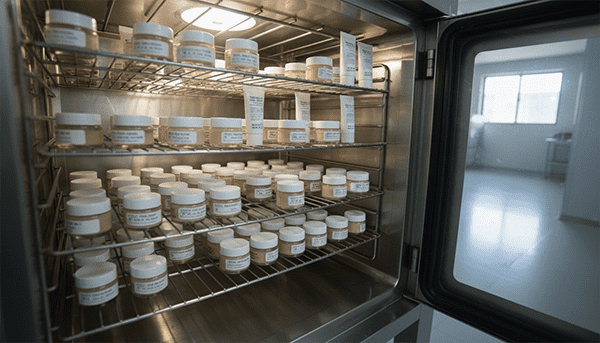
Taking a best-selling American or European SPF directly to Southeast Asia is a recipe for disaster. The high heat and intense humidity completely change how a product sits on the skin and survives in the bottle. To build a true climate-adaptive skincare OEM strategy, we completely overhaul the emulsification system. Standard oil-in-water emulsions simply break down when a consumer sweats or when the bottle sits in a hot delivery truck.
We transition formulations to advanced water-in-silicone[^8] (W/Si) or water-in-oil (W/O) systems supported by polymeric emulsifiers. We also utilize surface-treated titanium dioxide and zinc oxide. Treating the pigment particles prevents agglomeration in high temperatures. This ensures the SPF rating remains stable and the foundation does not oxidize or streak on oily, sweating skin.
You must also account for manufacturing realities. These heavy-duty film formers (like Trimethylsiloxysilicate) require precision heating and cooling phases. Your factory must have advanced homogenization capabilities. If your manufacturer rushes the cooling phase to save time on the production line, your batch will fail stability testing within three months.
| Formulation Metric | Standard EU/US Emulsion | Climate-Adaptive Polymer System |
|---|---|---|
| Thermal Stability | Fails at 40°C over 4 weeks | Stable at 45°C over 12 weeks |
| Sebum Resistance | Low (Melts off skin) | High (Binds to skin matrix) |
| Manufacturing Cost | Base line | +15% to 20% higher per kg |
| Required Equipment | Standard agitator | High-shear vacuum homogenizer |
Sarah's Supply Chain Warning: I worked with a founder who insisted on using her original London-based sunscreen formula for a major launch in Dubai. She bypassed our 45°C thermal stability chamber test to hit a retail deadline. The shipping container reached 55°C at the port. The emulsion broke entirely. She lost 15,000 units of inventory and forfeited her retail shelf space. Never skip thermal stress testing.
2. Eastern Botanicals + Biotech: The Winning Combo for Skin Barrier Repair
Extreme air conditioning combined with outdoor heat destroys the skin barrier. Merging bio-fermented Centella[^9] with ceramides creates lightweight, non-comedogenic hydration. Best for: Oily but dehydrated skin types. Drawback: Biotech actives require strict temperature-controlled shipping protocols.
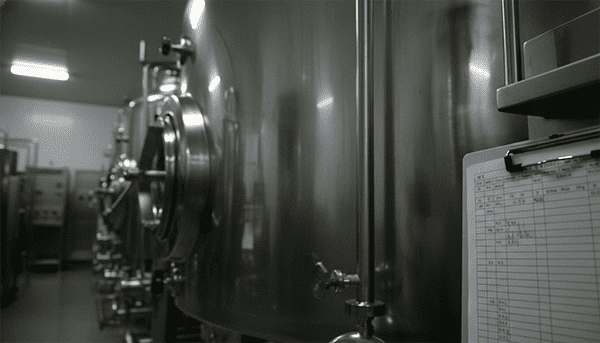
Consumers in Southeast Asia and the Middle East face a unique environmental stressor: they cycle constantly between 35°C humid outdoor air and 18°C dry, air-conditioned indoor air. This rapid fluctuation causes severe Transepidermal Water Loss (TEWL)[^10]. However, you cannot fix this barrier damage with heavy shea butters or thick occlusives. Heavy creams cause instant acne in these regions.
The 2026 solution is combining traditional Eastern botanicals[^3] with advanced biotechnology. We take proven ingredients like Centella Asiatica (Cica), Tremella mushroom, and Green Tea, and we subject them to bio-fermentation. Fermentation breaks down the molecular weight of the botanical extracts. This allows the active compounds to penetrate the skin rapidly without leaving a greasy, suffocating residue on the surface. We then suspend these fermented actives in a lightweight gel-cream matrix with encapsulated ceramides.
Sourcing these biotech ingredients requires strict supply chain discipline[^11]. True fermented actives are highly sensitive to temperature fluctuations during transit. As a climate-adaptive skincare OEM, we mandate cold-chain logistics for these specific raw materials. We also enforce strict Minimum Order Quantities (MOQs) on these proprietary blends because they have shorter shelf lives in raw form compared to synthetic chemicals.
| Ingredient Strategy | Raw Botanical Extracts | Bio-Fermented Biotech Botanicals |
|---|---|---|
| Molecular Weight | High (Sits on skin) | Low (Deep penetration) |
| Texture Profile | Sticky / Tacky | Water-light / Matte finish |
| Efficacy Speed | 4 to 6 weeks | 1 to 2 weeks |
| Raw Material MOQ | Low (Accessible) | High (Requires custom batching) |
Sarah's Supply Chain Warning: A skincare brand came to us after facing massive returns in Singapore. They used a standard raw botanical extract for hydration. In the tropical humidity, the high sugar content of the raw extract became a breeding ground for bacteria on the consumers' skin, causing massive breakouts. We reformulated using bio-fermented extracts, which are purified and stabilized. The breakout complaints dropped to zero.
3. Halal-Friendly Manufacturing: Tapping into the UAE's High-End Market
To dominate Middle East beauty market trends in 2026, Halal certification is mandatory. This means zero animal by-products and no alcohol contamination. Best for: Unlocking UAE, Saudi, and Indonesian retail. Drawback: Certification audits extend initial production timelines by months.
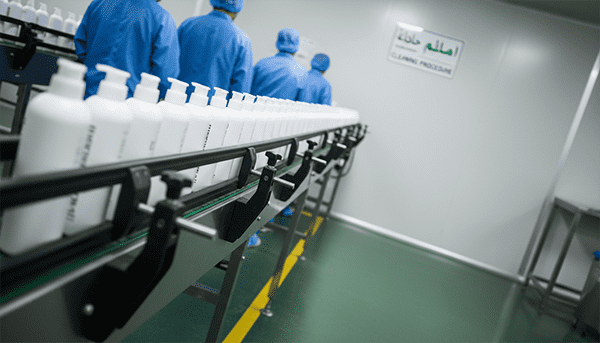
If you want to access the massive purchasing power of the Middle East, you need to partner with a strict Halal cosmetics manufacturer. Halal compliance is not just a marketing sticker; it is a rigorous supply chain audit. Many brand founders mistakenly believe that if a product is "Vegan" and "Cruelty-Free," it is automatically Halal. This is a dangerous assumption that will get your products banned at customs.
Halal manufacturing requires total traceability. Every single raw material must be vetted. For example, glycerin is a staple in skincare, but it can be derived from pork fat. We only source certified plant-derived glycerin. Furthermore, cross-contamination is strictly monitored. Ethanol and other forbidden alcohols are frequently used as hidden solvents to extract botanical ingredients or stabilize fragrances. If a trace amount of this alcohol enters your formula, it fails the Halal audit.
At the factory level, GMP (Good Manufacturing Practice) is not enough. We implement specialized CIP (Clean-in-Place) protocols between runs to ensure equipment is purified according to Islamic standards. This level of compliance increases your initial lead time by 3 to 4 months due to documentation and third-party auditor inspections. However, once certified, your brand instantly qualifies for premium retail placements[^12] across the UAE, Saudi Arabia, and Indonesia.
| Compliance Level | Standard GMP OEM | Halal Certified OEM |
|---|---|---|
| Glycerin Sourcing | Any source (Plant or Animal) | Strictly Plant-Derived & Audited |
| Botanical Solvents | Ethanol / Alcohol allowed | Water, Glycerin, or Propylene Glycol only |
| Equipment Cleaning | Standard chemical flush | Certified Halal purification protocols |
| Initial Lead Time | 45 to 60 days | 90 to 120 days (Audits required) |
Sarah's Supply Chain Warning: A European founder tried to launch her luxury serum in Riyadh. She used a premium organic fragrance. She didn't realize the fragrance house used a trace amount of ethyl alcohol as a solvent. The product failed the local customs audit and was denied entry. She lost six months of momentum and had to pay for a complete formula teardown. Always verify solvent trace data.
Final Verdict
Stop copying Western formulations for Eastern climates. Upgrade your emulsions for high heat, stabilize your barrier-repair actives through biotech, and audit your supply chain for strict Halal compliance. Your immediate next step: Book a pilot batch test for 45°C thermal stability before committing to full-scale production.
About CAMELLIA LABS Good products begin with stringent standards. I’m Sarah Cao. After 10+ years dealing with unpredictable factories and formulation failures, I built CAMELLIA LABS to be the Growth Partner I wished I had. We help brand founders avoid 99% of production pitfalls through uncompromising GMP compliance[^13], climate-adaptive R&D, and stable supply chains.
Ready to build a product that actually survives the market? [Click here to book a technical consultation with my formulation team.]
[^1]: Explore this resource to understand how to effectively adapt beauty products for different climates. [^2]: Learn about innovative SPF and foundation formulations that withstand extreme climates. [^3]: Discover the unique advantages of incorporating Eastern botanicals into skincare formulations. [^4]: Find out how biotechnology can improve skin barrier repair in climate-adaptive skincare. [^5]: Understand the essential steps for ensuring Halal compliance in cosmetic production. [^6]: Gain insights into the importance of thermal stability testing for product longevity. [^7]: Discover how high-shear mixing equipment enhances the formulation process. [^8]: Explore the benefits of using water-in-silicone emulsions for climate-adaptive skincare. [^9]: Learn about the skin benefits of bio-fermented Centella and its role in hydration. [^10]: Discover effective strategies to minimize TEWL and protect the skin barrier. [^11]: Understand the critical role of supply chain discipline in ensuring product quality. [^12]: Discover strategies to secure premium retail placements in competitive markets. [^13]: Learn about the significance of GMP compliance for safe and effective cosmetic products.