
Launching cosmetics in Indonesia is overwhelming. I have spent 10 years navigating complex ASEAN supply chains and BPOM regulations1, so I created this definitive roadmap to save your beauty brand from costly compliance failures and production delays.
The 4 essential steps for Indonesian cosmetics product development are:
- Market Research: Target fast-acting whitening products and anti-acne.
- Formula Development: Formulate with stable, BPOM-compliant ingredients.
- Clinical Trials: Execute local consumer testing2 to validate claims.
- BPOM Compliance: Secure strict GMP manufacturing3 for legal registration.
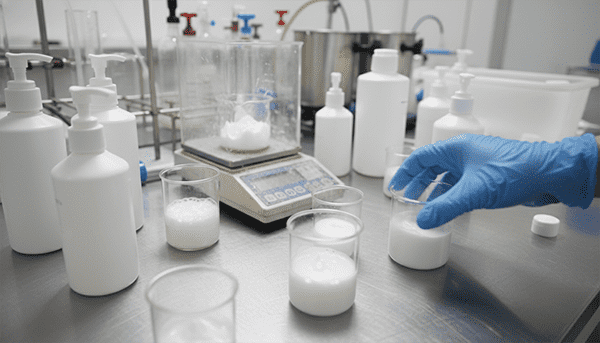
Successfully entering Indonesia requires more than just clever marketing. It requires a resilient supply chain, strict adherence to BPOM (National Agency of Drug and Food Control) safety criteria, and cost-effective GMP manufacturing3. I evaluate suppliers and formulate products based on absolute stability and compliance. Here is exactly how we execute this process.
1. Market Research: Dominating Brightening, Anti-Acne, and Sunscreen
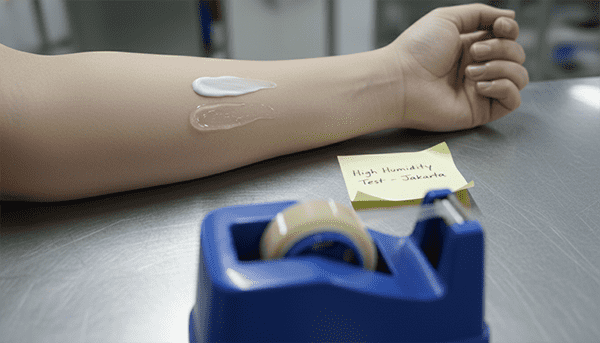
Indonesian consumers demand fast-acting whitening products and anti-acne solutions4 due to the tropical climate5. This focus is best for quick market penetration6. The main drawback is intense competition from local brands with aggressive pricing strategies.
Dive Deeper
The Supply Chain Reality: The Indonesian skincare market moves incredibly fast. Sourcing high-quality actives for whitening products and sunscreen UV filters demands precise forecasting and significant lead times. If you rely on cheap, unstable ingredients7, your products will oxidize in the tropical heat before they even reach the consumer. We see brand founders struggle constantly with high MOQ (Minimum Order Quantity) requirements when trying to source premium, photostable UV filters8. You must secure your raw material supply chain9 early. Local consumers have zero tolerance for sticky, heavy textures. Your formulators must design lightweight gels and emulsions. Securing a consistent supply of premium raw materials requires negotiating strict service-level agreements with your manufacturer.
| Market Category | Consumer Demand | Supply Chain Difficulty | Production Cost |
|---|---|---|---|
| Whitening Products | Extremely High | High (Requires stable actives) | Medium to High |
| Anti-Acne Solutions | High | Medium (Actives are common) | Low to Medium |
| Heavy Moisturizers | Low | Low (Easy to source) | Low |
| Sunscreen (SPF 50) | High | Very High (UV filters require high MOQ) | High |
Sarah's Supply Chain Warning: I once worked with a brand founder who bypassed local market research10 completely. She launched a heavy, oil-based moisturizer in Jakarta. It literally melted off consumers' faces in the 90% humidity. The entire batch of 10,000 units was recalled and scrapped. Always formulate for high humidity and tropical heat.
2. Formula Development: Balancing Efficacy With BPOM Safety Regulations
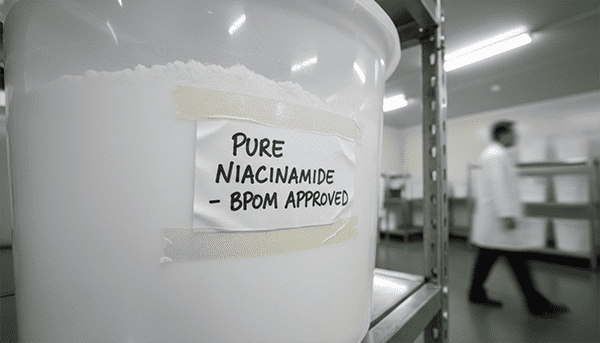
Formulating for Indonesia requires replacing banned toxic brighteners with stable, BPOM-approved alternatives like Niacinamide and Kojic Acid11. This approach is best for building long-term brand trust. The main drawback is the higher cost of stable raw materials.
Dive Deeper
The Supply Chain Reality: Indonesia has a dark history with illegal whitening products containing mercury and hydroquinone. Therefore, BPOM regulations1 are now incredibly strict. Sourcing BPOM-compliant, pure-grade Niacinamide or Kojic Acid11 without supply chain disruptions is your biggest hurdle. Cheap derivatives will cause pH shifts and ruin your emulsion stability in transit. At CAMELLIA LABS, we lock in raw material contracts early. We ensure your active ingredients do not fluctuate in price or purity. A stable formula prevents costly product recalls. Your manufacturer must use vacuum emulsification equipment to ensure the actives remain potent and uncontaminated during mass production.
| Ingredient Type | Efficacy Speed | BPOM Compliance | Stability in Heat |
|---|---|---|---|
| Hydroquinone | Very Fast | Banned / Illegal | Low |
| Pure Niacinamide | Steady | 100% Compliant | Very High |
| Stabilized Kojic Acid11 | Fast | 100% Compliant | High |
| Cheap Vitamin C Derivatives | Slow | Compliant | Very Low (Oxidizes fast) |
Sarah's Supply Chain Warning: I had a client who bought a "miracle" brightening premix from an unverified supplier on Alibaba to save money. During routine BPOM testing, trace amounts of hydroquinone were detected in the formula. They lost $40,000 in raw materials instantly. Furthermore, the government banned them from registering new products for an entire year. Good products begin with stringent standards. Never compromise on ingredient sourcing.
3. Clinical Trials & Consumer Testing: Proving Your Claims
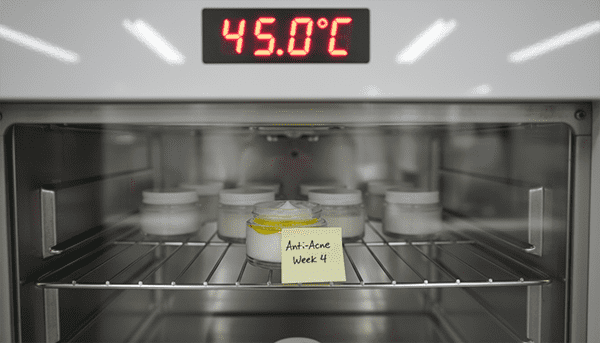
Clinical trials and consumer testing2 provide factual data to support your anti-acne and brightening claims. This step is best for justifying premium retail prices. The main drawback is the additional 8 to 12 weeks added to your product development timeline.
Dive Deeper
The Supply Chain Reality: In 2026, AI-educated consumers no longer believe vague marketing claims. They want definitive proof. Coordinating clinical trials12 for cosmetics product development in Indonesia requires managing independent testing labs, ethical board approvals, and local consumer panels. This stage drastically impacts your go-to-market speed. If a product fails consumer testing2 due to skin irritation from a poorly buffered Kojic Acid11 formula, you must return to the R&D phase. This failure resets your factory production slot. You will lose your initial deposit and miss your launch window entirely. You must build a four-month buffer into your supply chain timeline specifically for clinical trials12 and stability adjustments.
| Testing Method | Cost | Time Required | Impact on Brand Authority |
|---|---|---|---|
| No Testing | $0 | 0 Weeks | Very Low |
| Basic Stability Testing | $500 - $1,000 | 4 - 8 Weeks | Low (Mandatory for BPOM) |
| Local Consumer Testing | $2,000 - $5,000 | 6 - 8 Weeks | High |
| Full Clinical Trials | $10,000+ | 12 - 16 Weeks | Very High |
Sarah's Supply Chain Warning: A skincare founder once skipped consumer testing2 to rush her anti-acne serum to market. The formula contained a high concentration of Salicylic Acid that crystallized in tropical temperatures. Without local consumer testing2 data to catch this fatal flaw, she shipped 5,000 defective units to Jakarta. The public backlash destroyed her brand's reputation overnight. Always test locally.
4. Supply Chain Execution: Mastering BPOM Registration and GMP Manufacturing
BPOM registration is legally mandatory for selling cosmetics in Indonesia. This compliance is best for protecting your brand and securing retail distribution. The main drawback is the dense bureaucratic paperwork and strict factory GMP auditing required.
Dive Deeper
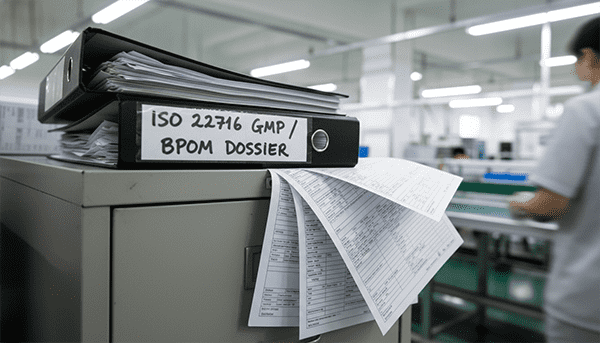
The Supply Chain Reality: You can have the best formula in the world. However, without official BPOM approval, you cannot legally sell a single bottle in Indonesia. BPOM requires meticulous documentation. This paperwork includes GMP (Good Manufacturing Practice) certificates from your manufacturer, a Certificate of Analysis (COA) for every single ingredient, and robust stability testing13 reports. Many overseas factories lack the proper ISO 22716 certifications14 required by BPOM. Finding a GMP manufacturer who deeply understands ASEAN cosmetic directives is critical. We ensure all CAMELLIA LABS partner factories maintain flawless audit records. This diligence fast-tracks your registration process and prevents expensive customs delays.
| Factory Standard | BPOM Registration Success | Production Consistency | MOQ Requirements |
|---|---|---|---|
| Unverified Trading Company | 0% (Will fail audits) | Highly Variable | Very Low |
| Standard Factory | 50% (Often missing paperwork) | Medium | Medium |
| ISO 22716 GMP Certified Factory | 100% (Guaranteed compliance) | Absolute Consistency | High |
Sarah's Supply Chain Warning: I watched a competitor's brand get stuck in customs in Surabaya for six agonizing months. Why did this happen? Their manufacturer used an unregistered preservative and forged the GMP certificate. The local authorities incinerated the entire shipment of 20,000 units. Partnering with a fully compliant GMP manufacturer is not optional. It is your ultimate insurance policy against total business failure.
Final Verdict
Developing cosmetics for Indonesia requires strict BPOM compliance and heat-stable formulas. Stop guessing and risking your capital on unverified factories. Audit your current formulas against BPOM guidelines immediately, swap out unstable actives, and partner with a certified GMP manufacturer to secure your market entry today.
About the Author: Sarah Cao I am the Founder of CAMELLIA LABS (ZJG Nine CS) and a supply chain veteran with over 10 years of experience in cosmetics sourcing and GMP manufacturing3. My mission is to act as your Growth Partner. I help brand founders avoid 99% of production pitfalls by ensuring strict compliance, formula stability, and scalable manufacturing. Remember: Good products begin with stringent standards.
Ready to stop gambling on your supply chain? Stop losing money on failed batches and compliance delays. Contact CAMELLIA LABS today to book a technical consultation and secure a GMP-compliant manufacturing partner for your next product launch.
Learn about BPOM regulations to ensure compliance and avoid costly mistakes. ↩
Understand consumer testing to improve product acceptance and success. ↩
Understand GMP manufacturing to ensure product quality and regulatory compliance. ↩
Find effective anti-acne solutions to cater to local consumer needs. ↩
Explore how climate impacts formulation to ensure product stability. ↩
Discover strategies to effectively penetrate the Indonesian cosmetics market. ↩
Identify stable ingredients to ensure product efficacy and longevity. ↩
Discover the importance of photostable UV filters for sunscreen products. ↩
Learn strategies for managing raw materials to prevent disruptions. ↩
Learn effective market research techniques to inform product development. ↩
Learn about Kojic Acid to formulate effective skin brightening products. ↩
Learn about the importance of clinical trials in validating product claims. ↩
Understand stability testing to ensure product safety and effectiveness. ↩
Learn about ISO 22716 certifications to ensure compliance and quality. ↩