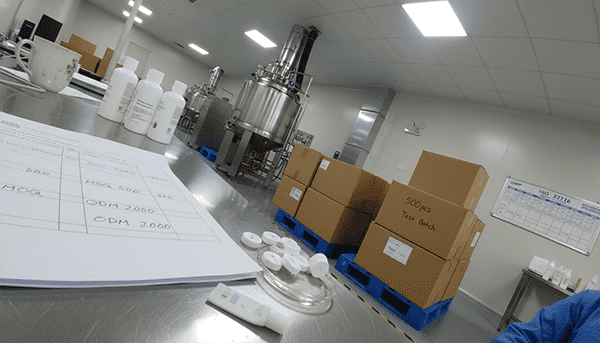
Entering the Latin American market is overwhelming. I have spent 10 years dealing with factories and regulatory red tape, so I created this definitive roadmap to save your skincare brand from COFEPRIS rejections and costly customs delays.
To successfully use Mexico as your LATAM gateway, follow these 4 pillars:
- Master COFEPRIS notification requirements[^1].
- Formulate for LATAM preferences (natural ingredients[^2], SPF, anti-aging).
- Comply strictly with NOM-141-SSA1[^3] Spanish labeling rules[^4].
- Leverage Mexican trade agreements[^5] to expand regionally.
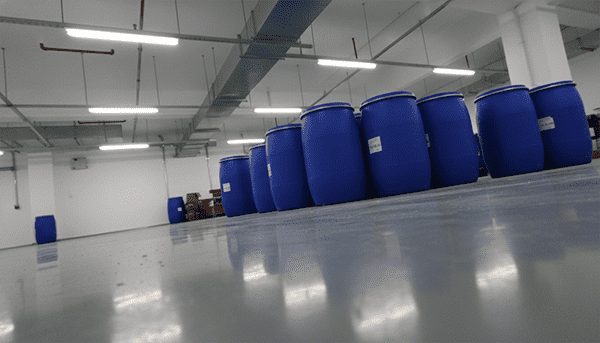
Expanding south is not just about translating your label. To succeed, you must optimize your supply chain for local regulatory compliance, strict GMP manufacturing standards[^6], and specific climate-driven formulation stability. Here is the exact blueprint.
Step 1: Navigate COFEPRIS Regulations and OEM Documentation
COFEPRIS notification is mandatory before importing or selling cosmetics in Mexico. It is best for establishing a legal, safe footprint in LATAM. The main drawback is bureaucratic processing delays if your factory's ingredient documentation lacks global standardization.

The supply chain reality of entering Mexico hinges entirely on COFEPRIS (Federal Commission for the Protection against Sanitary Risk). Mexico does not require strict pre-market approval for standard cosmetics, but you must submit a formal notification before a single unit crosses the border. This means your cosmetics products OEM partner must provide flawless, highly detailed documentation. Your manufacturer must supply exact INCI lists, comprehensive Certificates of Analysis (COA)[^7], and internationally recognized GMP certificates.
If your OEM partner lacks proper documentation or fails to meet US FDA or EU standards, your COFEPRIS notification will stall indefinitely. Since many lower-tier factories hide behind generic ingredient names to protect their base formulas, securing full transparency is your biggest supply chain bottleneck[^8]. You need an OEM that operates as a true partner. At CAMELLIA LABS, we ensure every formula matches COFEPRIS permitted ingredient databases before mass production begins. You must verify factory credentials before you sign a purchase order.
| Documentation Requirement | Importance for Mexico | Supply Chain Impact |
|---|---|---|
| Exact INCI Breakdown | Critical | Prevents customs seizures and formula rejections. |
| ISO 22716 / GMP Certificate | High | Speeds up COFEPRIS processing times. |
| Heavy Metal / Micro Testing | High | Prevents costly quarantine fees at the Mexican border. |
Sarah’s Supply Chain Warning: I once watched a founder lose $40,000 in inventory at the Veracruz port because their contract manufacturer altered the preservative system without updating the COFEPRIS notification. The local customs agents seized the entire container immediately. Never let your factory change the formula without explicit regulatory clearance.
Step 2: Formulate for LATAM Consumer Preferences
LATAM consumers heavily favor natural ingredients[^2] paired with potent anti-aging actives[^9] and high SPF protection. This approach is best for driving rapid sales volume. The drawback is that natural extracts and heavy UV filters often compromise batch stability.
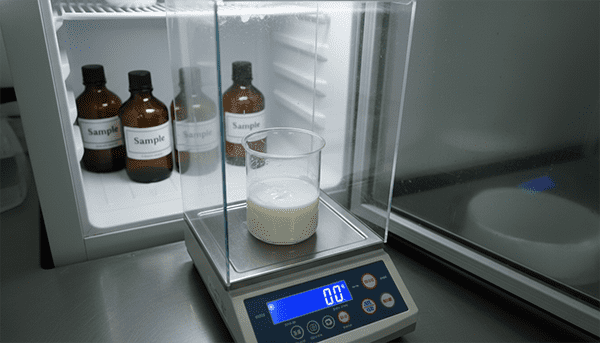
Sourcing natural ingredients[^2] that remain completely stable in Mexico's diverse climates is incredibly difficult. Latin American buyers inherently trust US FDA-certified products and clinical-grade formulations[^10]. They actively seek "clean" beauty, but they still demand aggressive, visible results for anti-aging and sun protection. High SPF formulations are notoriously difficult to stabilize at scale.
If your manufacturer uses cheap emulsifiers to hit a low Minimum Order Quantity (MOQ), your product will separate in the intense Mexican heat before it even reaches the retail shelf. You must formulate for thermal resilience[^11]. Your OEM must invest in premium encapsulation technology for active ingredients like Vitamin C or Retinol. Furthermore, LATAM consumers prefer lightweight, non-greasy textures due to the humid coastal weather. You must audit your manufacturer's R&D capabilities to ensure they can deliver high-efficacy, natural ingredient profiles without sacrificing sensory appeal or shelf life.
| Formulation Feature | Consumer Appeal | Supply Chain Risk |
|---|---|---|
| Natural Extracts | High (Trending in LATAM) | High risk of bacterial contamination[^12] without robust preservation. |
| High SPF (50+) | Very High (Daily necessity) | Emulsion separation during high-temperature transit. |
| Anti-Aging Peptides | High (Premium pricing) | High raw material costs require strict supplier vetting. |
Sarah’s Supply Chain Warning: Early in my sourcing career, a client pushed for a 100% natural, preservative-free sunscreen specifically for the Mexican market. By the time the ocean freight arrived in mid-summer, the emulsion had completely separated into oil and water. Always mandate accelerated stability testing at 45°C for any product entering Latin America.
Step 3: Ensure NOM-141-SSA1[^3] Labeling Compliance
NOM-141-SSA1[^3] sets the exact standard for Spanish cosmetic labeling in Mexico. It is best for avoiding retail rejection[^13] at major pharmacies. The drawback is that it requires highly specific packaging redesigns, significantly increasing your initial MOQ costs.
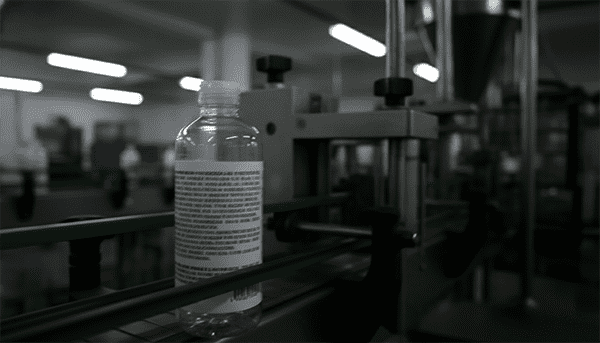
Packaging compliance is where 80% of foreign brands fail in Mexico. Under the strict NOM-141-SSA1[^3] regulation, your primary and secondary packaging must feature compliant Spanish translations, specific safety warnings, accurate net content declarations, and local distributor details. You cannot simply slap a cheap, poorly translated sticker over your English labels if you want premium shelf space in high-end retailers like Sephora Mexico or Farmacias San Pablo.
Coordinating fully bilingual packaging with your OEM means you must commit to higher MOQs for custom-printed tubes and folding cartons. This increases your upfront capital investment. Supply chains break down when founders rely on Google Translate instead of specialized regulatory translators. CAMELLIA LABS mitigates this massive risk by providing full Spanish document support and pre-auditing your artwork templates before mass packaging production begins. You must treat your label as a legal document.
| Label Feature | US Market Standard | NOM-141-SSA1[^3] (Mexico) Requirement |
|---|---|---|
| Language | English only acceptable | Flawless Spanish translation is strictly mandatory. |
| Ingredient List | Standard INCI | Standard INCI with specific Spanish allergen warnings. |
| Distributor Info | Brand HQ address | Requires exact Mexican importer/distributor details. |
Sarah’s Supply Chain Warning: A prominent indie brand tried to bypass custom packaging MOQs by using cheap Spanish stickers printed at a local shop. The adhesive melted in transit, the stickers fell off, and the entire batch was deemed non-compliant under NOM-141. They had to pay a local warehouse triple the normal rate to manually re-label 10,000 units.
Step 4: Use Mexico as Your LATAM Expansion Springboard
Mexico features powerful free trade agreements[^5] that make it the perfect LATAM distribution hub. It is best for scaling seamlessly across Colombia, Peru, and Chile. The drawback is that regional scaling requires robust, localized logistics networks.
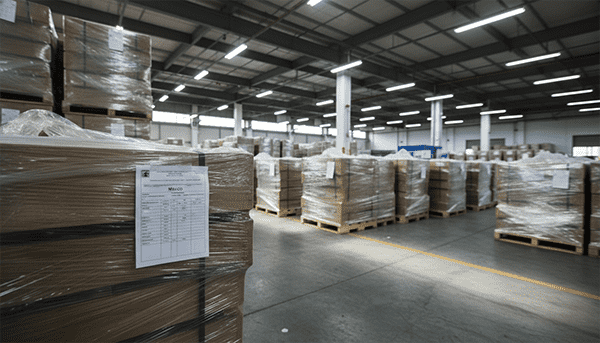
Entering Mexico is not the final end goal; it is the strategic gateway. Thanks to powerful regional trade agreements[^5] like the Pacific Alliance, cosmetic products successfully registered and distributed in Mexico face significantly lower regulatory hurdles when expanding further south. The ultimate supply chain secret is consolidating your manufacturing with an OEM that holds internationally recognized GMP certifications.
When your manufacturing baseline is high, cross-border documentation becomes a simple administrative task rather than a complete formula overhaul. Relying on sub-par factories will trap your brand in a single market forever. You must ensure your factory can scale production rapidly without dropping quality. By establishing a central warehousing hub in Mexico, you cut shipping times to South America in half. This reduces your inventory holding costs and improves cash flow. Choose a manufacturing partner equipped to handle international growth[^14] from day one.
| Target Market | Regulatory Difficulty | Supply Chain Strategy via Mexico |
|---|---|---|
| Colombia (INVIMA) | High | Use Mexican COFEPRIS approval to expedite INVIMA processing. |
| Chile (ISP) | Medium | Leverage Pacific Alliance trade routes for cheaper freight. |
| Peru (DIGEMID) | Medium | Standardize Spanish packaging to cover both Mexico and Peru simultaneously. |
Sarah’s Supply Chain Warning: I worked with a brand that scaled beautifully in Mexico but failed completely to enter Colombia because their factory was not ISO 22716 certified. They had to start from scratch with a new manufacturer to get the right GMP documentation, delaying their LATAM expansion by 18 brutal months.
Final Verdict
Stop guessing with unverified suppliers. To conquer the LATAM market, you need an OEM that guarantees COFEPRIS-ready documentation, NOM-141 compliance, and climate-tested stability. Audit your current manufacturer's GMP certificates today, or risk catastrophic customs delays at the border.
Hi, I’m Sarah Cao.
Founder of CAMELLIA LABS (ZJG Nine CS)
"Good products begin with stringent standards."
As a Growth Partner, I help beauty founders avoid 99% of production pitfalls through strict GMP compliance and stable supply chains. With over 10 years in global sourcing, I know exactly why factories fail and why batches differ.
Ready to scale your brand into Latin America without the supply chain headaches? Let’s talk.
[Book a Technical Sourcing Consultation with CAMELLIA LABS]
[^1]: Understanding COFEPRIS requirements is crucial for legal compliance and avoiding costly delays. [^2]: Natural ingredients are trending in LATAM, appealing to consumers seeking clean beauty products. [^3]: NOM-141-SSA1 compliance is essential to avoid retail rejection and ensure market entry. [^4]: Understanding Spanish labeling rules is vital for compliance and successful market entry. [^5]: Leveraging trade agreements can significantly reduce regulatory hurdles for expansion. [^6]: GMP standards ensure product safety and quality, vital for success in the LATAM market. [^7]: A COA verifies product quality and compliance, crucial for regulatory approvals. [^8]: Identifying bottlenecks helps brands streamline operations and improve efficiency. [^9]: Incorporating effective anti-aging actives can drive sales and meet consumer demands. [^10]: Clinical-grade formulations are preferred by consumers for their proven efficacy and safety. [^11]: Thermal resilience is key for product stability in diverse climates, especially in LATAM. [^12]: Understanding contamination risks helps in formulating safe and effective products. [^13]: Understanding causes of retail rejection can help brands avoid costly mistakes. [^14]: Preparing for international growth ensures brands can scale effectively and sustainably.