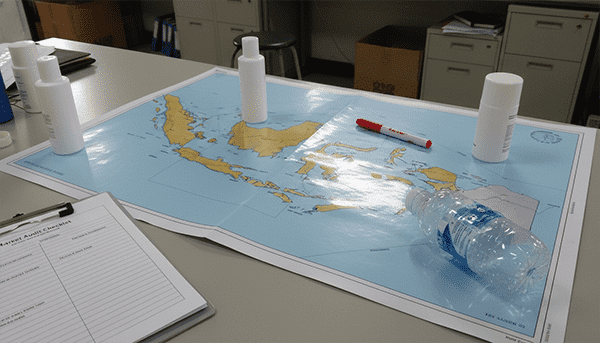
Entering the Indonesian skincare market is overwhelming. I have spent 10 years managing supply chains, so I created this definitive guide to BPOM and Halal regulations to save your brand from seized shipments and costly compliance failures.
The top 3 steps to succeed in the Indonesian beauty market are:
- Master the BPOM registration process[^1] for legal market entry.
- Secure Halal certification[^2] to dominate local consumer preferences.
- Formulate tropical skincare with reinforced preservatives for extreme climates.

Expanding into Southeast Asia requires more than just translating your product labels. You must adapt to rigorous BPOM compliance, specific religious preferences, and extreme climate realities. Here is the exact roadmap you need to build a compliant and profitable supply chain.
1. Master the BPOM Registration Process
Every single cosmetic product must pass BPOM registration before entering Indonesia. This step is best for ensuring absolute legal compliance. The main drawback is the strict paperwork and long waiting times required for approval.
The supply chain reality of BPOM (the National Agency of Drug and Food Control) is highly bureaucratic. BPOM acts as the absolute gatekeeper for the Indonesian market. Without this certification, Indonesian customs will block your entire shipment. Foreign brands cannot register products directly. You must use a local distributor[^3] or partner with an experienced OEM. The registration process requires exhaustive formulation data[^4], GMP certificates[^5], and detailed safety assessments. It demands flawless documentation. Many cheap factories fail to provide this level of transparency. At CAMELLIA LABS, we handle this heavy lifting. We assist founders with the entire suite of BPOM documents. We streamline the paperwork so you do not wait six months in customs purgatory. You must factor BPOM timelines into your launch schedule to avoid cash flow bottlenecks.
| Registration Status | Market Access | Customs Risk | Revenue Potential |
|---|---|---|---|
| Fully BPOM Registered | 100% Legal Entry | Zero Risk | High (National scale) |
| Pending BPOM | Blocked | High Risk of Seizure | Zero (Cannot sell legally) |
Sarah's Supply Chain Warning: "I saw a foreign brand ship a $40,000 container of serums to Jakarta without final BPOM approval. The factory promised the paperwork would clear during transit. The paperwork failed. Customs seized and destroyed the entire container. The founder lost their entire investment. You must never ship products before securing the final BPOM certificate."
2. Secure Halal Certification to Capture Local Preferences
Halal certification[^2] ensures your ingredients contain no forbidden animal by-products or alcohol. This certification is best for capturing massive local market share. The main drawback is the incredibly stringent supply chain audit[^6] required.
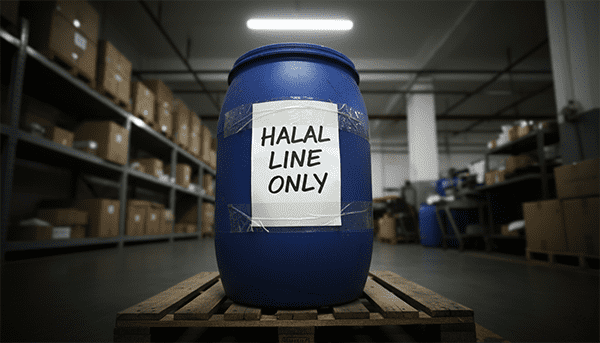
The supply chain reality is that Indonesia holds the largest Muslim population in the world. Halal certification[^2] is no longer a niche marketing tactic. It is a mandatory strategy for achieving massive scale. The local preferences heavily lean toward certified products. However, securing this certification disrupts standard manufacturing. You cannot simply buy Halal ingredients. The entire manufacturing line requires certification. The factory cleaning protocols and the raw material storage facilities must pass strict Halal audits. If a factory runs a non-Halal animal derivative on the same mixing machine, your product will fail the audit immediately. Sourcing raw materials requires full traceability[^7] back to the origin farm or laboratory. You must partner with a factory that already operates dedicated Halal-certified production lines to avoid massive delays.
| Formulation Approach | Supply Chain Complexity | Local Consumer Trust | Best Fit For |
|---|---|---|---|
| Halal Certified | High (Strict audits needed) | Extremely High | Mass market brands in Indonesia |
| Non-Halal | Low (Standard sourcing) | Low | Niche or imported luxury only |
Sarah's Supply Chain Warning: "A promising startup formulated a beautiful anti-aging cream. They used a generic glycerin sourced from a broker. The Halal auditor discovered the glycerin was derived from non-Halal animal fat. The brand failed the audit instantly. They had to scrap 50,000 units and reformulate from scratch. We always verify the origin of every single compound before production begins."
3. Design Tropical Skincare for Indonesian Skin and Climate
Tropical skincare must withstand intense heat and extreme humidity. This formulation strategy is best for ensuring long-term product safety. The main drawback is the need for heavily reinforced preservative systems[^8] that complicate the formula.
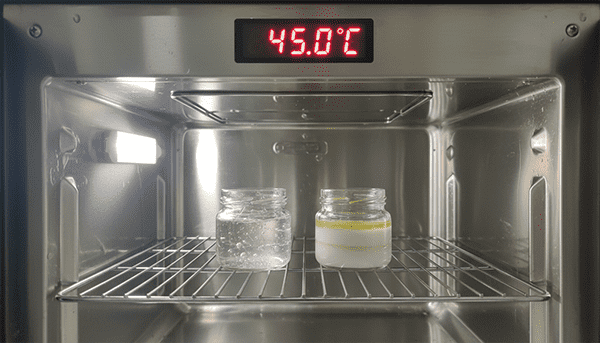
The supply chain reality of extreme climates destroys weak formulas. High heat and high humidity breed bacteria aggressively. Standard preservative systems[^8] often fail in Indonesia. Furthermore, products frequently sit in non-temperature-controlled warehouses in Jakarta for weeks during distribution. Your emulsion will split if the formula is weak. Your cream will grow mold if the preservatives fail. We must reinforce the preservative system significantly. We must run extreme stability tests[^9] at 45 degrees Celsius to simulate local warehouse conditions. Furthermore, local preferences demand specific textures. Heavy, occlusive creams fail in high humidity. Indonesian consumers prefer lightweight gel-creams and water-based serums that absorb instantly without feeling sticky. You must engineer the product for the environment from day one.
| Formulation Type | Preservative Strength | Thermal Stability | Texture Profile |
|---|---|---|---|
| Tropical Skincare | Reinforced (Broad-spectrum) | High (Passes 45°C testing) | Lightweight, fast-absorbing |
| Standard Export | Normal | Low (Splits in high heat) | Heavy, occlusive |
Sarah's Supply Chain Warning: "A European brand exported their best-selling rich night cream to Indonesia. They ignored the climate data. Within three months, the thick creams melted into liquid inside the hot local warehouses. The preservatives failed, and the product grew mold. They suffered a 100% return rate. You must always stress-test your formulas for tropical conditions."
Final Verdict
You cannot launch in Indonesia blind. You must secure BPOM registration immediately, pursue Halal certification[^2] to build trust, and stress-test your preservatives for the tropics. You must partner with an OEM that handles this heavy compliance lifting so your brand can scale safely.
About the Author I am Sarah Cao, Founder of CAMELLIA LABS (ZJG Nine CS). Good products begin with stringent standards. With over 10 years of supply chain and sourcing experience, I serve as a Growth Partner for B2B founders. I help skincare brands avoid 99% of production pitfalls through strict GMP compliance, unshakeable batch stability, and transparent manufacturing.
Ready to launch your brand without the supply chain headaches?[Book a technical consultation with me today to secure your formulation and compliance strategy.]
[^1]: Understanding the BPOM registration process is crucial for legal market entry and avoiding costly compliance issues. [^2]: Securing Halal certification is essential for capturing local market share and building consumer trust in Indonesia. [^3]: Partnering with a local distributor is necessary for navigating the BPOM registration process effectively. [^4]: Knowing the required formulation data is key to ensuring a smooth BPOM registration process. [^5]: GMP certificates ensure product safety and quality, which are critical for successful market entry in Indonesia. [^6]: Understanding the supply chain audit process is vital for ensuring compliance and avoiding costly production delays. [^7]: Traceability is crucial for Halal certification, ensuring all ingredients meet strict compliance standards. [^8]: Explore effective preservative systems that can withstand Indonesia's heat and humidity for long-lasting products. [^9]: Conducting stability tests is essential to ensure product safety and effectiveness in challenging climates.