Designing cosmetic packaging for Indonesia is overwhelming. I’ve spent 10 years dealing with supply chains and BPOM regulations, so I created this definitive guide to save your brand from costly customs rejections and dead inventory.
The top 4 elements for successful Indonesian cosmetic packaging are:
- Vibrant Colors & Natural Patterns[^1] (Appeals to local aesthetics).
- Strict BPOM Labeling[^2] (Crucial for compliance).
- Sustainable Materials[^3] (Drives premium conversions).
- Localized Supply Chain Integration[^4] (Lowers shipping costs and MOQ).
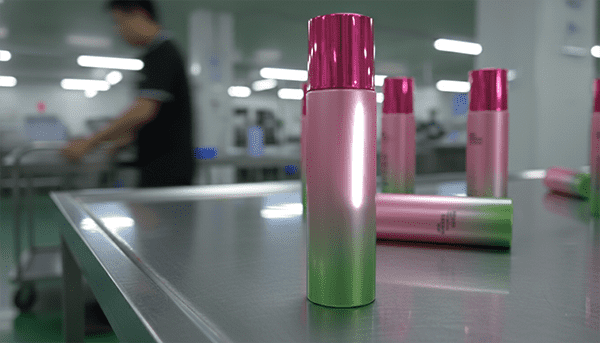
Winning in Southeast Asia’s largest market requires more than just translating your labels. It demands a perfect balance between localized visual appeal, strict regulatory compliance, and cost-effective supply chain execution. Let’s break down exactly how to engineer your packaging for Indonesia.
1. Visual Aesthetics: Leveraging Vibrant Colors and Natural Patterns
Indonesian consumers gravitate towards vibrant colors and botanical elements. Minimalist medical packaging struggles here. You need designs that communicate tropical vitality while maintaining a premium feel.
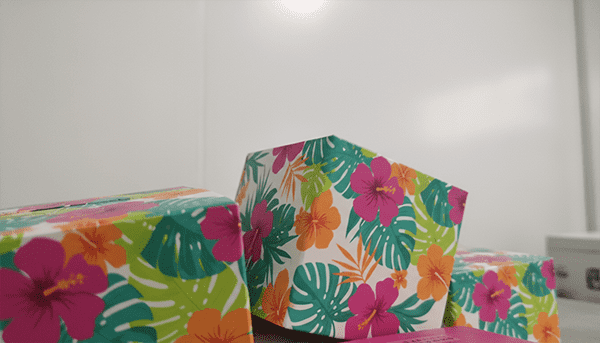
Supply Chain Reality[^5]: Sourcing multi-colored, highly detailed packaging increases printing costs and MoQ (Minimum Order Quantity). Printing 4-color or 5-color gradients on custom molds requires advanced offset printing capabilities. Many cheap factories will give you color bleeding or inconsistent hues across different batches. You must demand high-grade PET or glass that holds color treatments well without chipping in humid climates. If you use paper boxes, ensure the factory applies a moisture-resistant matte lamination. Uncoated paper absorbs tropical humidity and warps before it even hits the retail shelf.
| Printing Technique | Cost Level | Visual Impact | Batch Consistency |
|---|---|---|---|
| Single Silk Screen | Low | Minimalist | High |
| Multi-color Offset[^6] | High | Vibrant/Premium | Medium (Requires strict QC) |
| Water Transfer Printing[^7] | Very High | Custom Patterns | High |
Sarah's Supply Chain Warning: I once saw a European founder refuse to adapt their stark, black-and-white minimalist packaging for the Indonesian launch. They assumed it looked "clinical and premium." Local buyers ignored it on the shelves, assuming it was a cheap generic brand. They lost $40,000 in dead stock. Always adapt your visual language to local market expectations.
2. Regulatory Labeling: Navigating BPOM and Language Mandates
BPOM compliance is non-negotiable. Your packaging must include the BPOM registration number, clear production/expiry dates, and a full ingredient list translated into Bahasa Indonesia. Failure means immediate customs rejection.
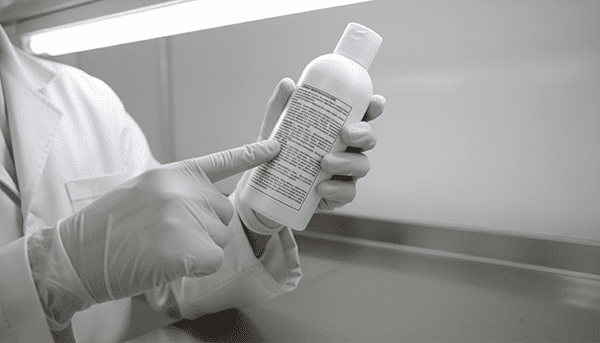
Supply Chain Reality[^5]: Incorporating heavy text into small surface areas is a logistical nightmare. If you print directly on the bottle, adding Indonesian translations clutters your design and requires multiple expensive silk-screen passes. A safer, cost-effective route for market testing is using high-quality waterproof adhesive labels over standard English packaging. However, your BPOM number and batch codes must be indelible. Inkjet printing for batch codes often smudges in Indonesia's high humidity. You must ensure your factory uses thermal transfer printing or laser engraving for critical dates. Never rely on easily removable stickers for mandatory regulatory data.
| Labeling Method | BPOM Compliance Risk | Supply Chain Speed | Setup Cost |
|---|---|---|---|
| Direct Bottle Printing | Low Risk | Slow | High (New plates needed) |
| Waterproof Over-Labels | Medium Risk | Fast | Low |
| Inkjet Batch Coding | High Risk (Smudging) | Fast | Low |
Sarah's Supply Chain Warning: A client once bypassed local translation, relying on English ingredient lists to save printing costs. The BPOM auditors pulled their products from retail shelves within two weeks. They had to recall 10,000 units, manually apply sticker overlays, and pay heavy fines. Never cut corners on compliance.
3. Material Innovation: The Rise of Sustainable Packaging
Eco-friendly packaging is rapidly gaining traction among young Indonesian consumers. Biodegradable plastics[^8], PCR (Post-Consumer Recycled) materials, and refillable glass systems are becoming highly profitable market differentiators.
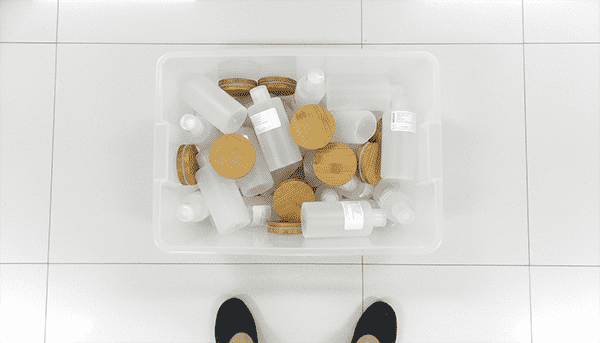
Supply Chain Reality[^5]: PCR materials are notoriously difficult to source consistently. A 50% PCR bottle might look slightly yellow or gray compared to virgin plastic. Your factory must have strict sorting protocols to avoid structural weaknesses in the bottle. Furthermore, true biodegradable materials often have shorter shelf lives and can react with active cosmetic ingredients like Vitamin C or high-concentration acids. You must conduct compatibility testing for at least 3 months at 45°C to mimic Indonesian warehouse conditions. Do not trust a supplier who says "it works for everyone." Verify their ISO 22716 certification[^9] and demand material safety data sheets (MSDS).
| Packaging Material | Cost | Formula Compatibility | Sustainability Perception |
|---|---|---|---|
| Virgin PET | Low | Excellent | Low |
| 50% PCR PET | Medium | Good (Needs testing) | High |
| Bamboo Components | High | Poor (Prone to mold) | Very High |
Sarah's Supply Chain Warning: I worked with a brand that ordered 20,000 bamboo-capped jars because they wanted an "earthy" aesthetic. They skipped the humidity stress test. During ocean freight to Jakarta, 60% of the bamboo caps developed mold. We had to scrap the entire batch. Always test sustainable materials against tropical climates.
4. Supply Chain Sourcing: Connecting with Reliable Local Vendors
Importing heavy glass or bulky boxes from overseas eats into your margins. Integrating with localized packaging suppliers or setting up modular assembly saves you up to 30% in landed costs.
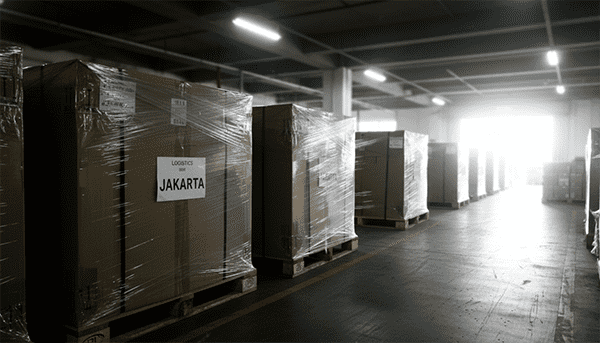
Supply Chain Reality[^5]: Finding a GMP-compliant packaging supplier[^10] who meets international quality standards within or near Indonesia is challenging. Most founders default to Alibaba, but importing empty bottles means you are paying to ship air. Freight costs will destroy your unit economics. The strategic move is to source secondary packaging (paper boxes, inserts) locally in Indonesia, while importing high-tech primary packaging (airless pumps, custom molds) from specialized hubs. At CAMELLIA LABS, we connect brands directly with vetted packaging partners who handle these complex logistics. We ensure that the MoQ aligns with your cash flow and that the final assembled product matches your golden sample perfectly.
| Sourcing Strategy | Freight Cost | Quality Control Control | Lead Time |
|---|---|---|---|
| 100% Imported Fully Assembled | Very High | High | Long |
| 100% Local Indonesian Sourcing | Low | Variable | Short |
| Hybrid (Local Box + Imported Bottle) | Medium | High | Medium |
Sarah's Supply Chain Warning: A startup spent their entire budget flying in fully assembled, oversized PR boxes from a factory 3,000 miles away. The volumetric weight charges were higher than the product cost itself. We stepped in, moved the box manufacturing to a local vendor in Java, and increased their profit margin by 22%. Stop paying to ship empty space.
Stop guessing what Indonesian consumers want. Design for local tastes, enforce strict BPOM labeling, test materials for humidity, and optimize your logistics. Your next step is to audit your packaging artwork against Indonesian regulations before you pay for your next mold.
About the Author: Sarah Cao Founder of CAMELLIA LABS (ZJG Nine CS). Good products begin with stringent standards.
After 10+ years in global sourcing, I built CAMELLIA LABS to act as a Growth Partner for beauty founders. We help you avoid 99% of production pitfalls through GMP compliance, rigorous BPOM packaging audits, and stable supply chains.
Ready to scale in Indonesia without the costly supply chain mistakes? [Book a Technical Consultation with CAMELLIA LABS today.]
[^1]: Explore this resource to understand how vibrant colors can enhance your brand's appeal in Indonesia. [^2]: Learn about BPOM regulations to ensure your products meet compliance and avoid costly rejections. [^3]: Discover the benefits of sustainable packaging materials and how they can attract eco-conscious consumers. [^4]: Find out how local sourcing can reduce costs and improve efficiency in your cosmetic packaging. [^5]: Explore the realities of supply chain management to avoid pitfalls in your packaging process. [^6]: Understand the advantages of multi-color offset printing for creating vibrant and appealing packaging. [^7]: Explore the unique benefits of water transfer printing for creating custom patterns on packaging. [^8]: Discover how biodegradable plastics can enhance your brand's sustainability image. [^9]: Learn about the significance of ISO 22716 certification in ensuring product safety and quality. [^10]: Learn how to identify reliable suppliers that meet international quality standards for your products.