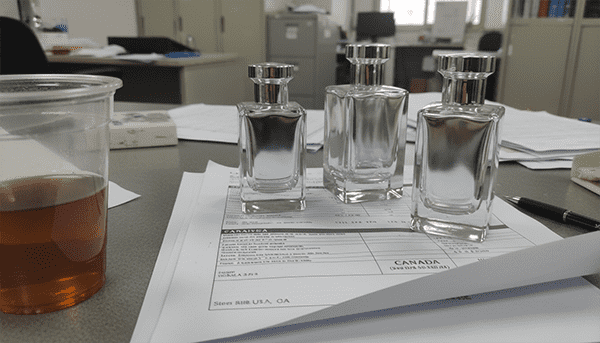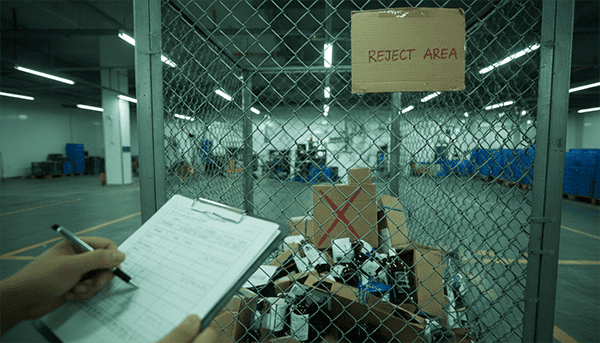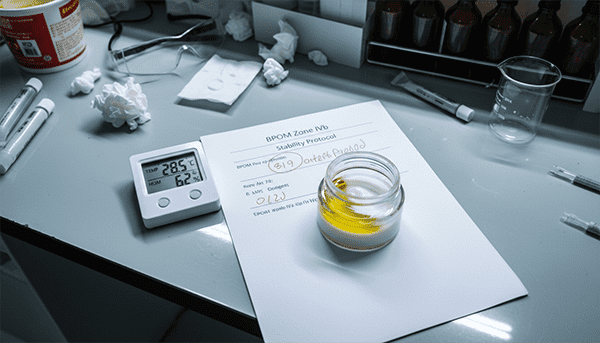
Launching skincare in Indonesia is terrifying if you ignore tropical degradation[^1]. I've spent 10 years watching brands fail BPOM audits[^2] because of separated emulsions. I created this definitive stability guide[^3] to save your brand from costly recalls.
The 4 essential pillars for Indonesian cosmetic stability testing are:
- Formulating against tropical heat and humidity challenges.
- Executing accelerated stability testing[^4] (Zone IVb conditions).
- Decoding microbial limit testing[^5] reports for BPOM.
- Implementing Preservative Efficacy Testing[^6] (PET) for humid markets.
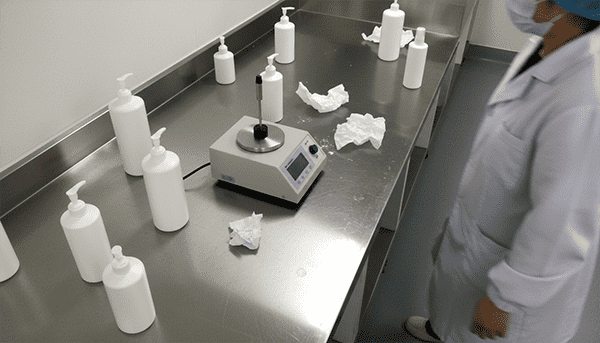
Entering the Indonesian beauty market means facing BPOM (the national regulatory agency) and extreme Zone IVb climate conditions. Hot, humid environments destroy weak formulas in weeks. We evaluate every formula based on thermal resistance[^7], preservative efficacy, and strict microbial limits to guarantee shelf-life integrity[^8] from your manufacturing facility to a retail shelf in Bali.
1. The Tropical Threat: How Heat and Humidity Destroy Emulsions
High temperatures break down emulsifiers, while constant humidity feeds bacteria. Your standard EU or US formula will likely fail in Indonesia without viscosity adjustments and enhanced lipid phase stabilization.
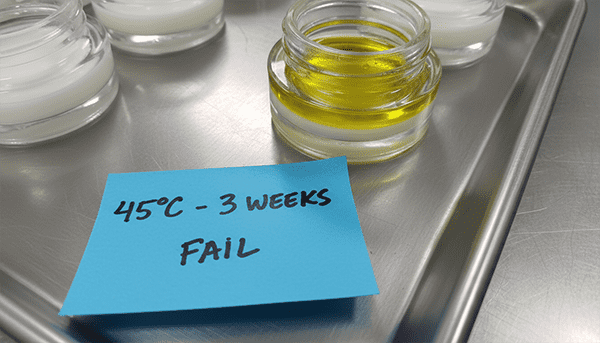
The supply chain reality of a tropical launch is harsh. Modifying an existing formula for a tropical climate usually delays production by 6 to 8 weeks. You cannot just take an FDA-approved formula and expect it to survive in an un-air-conditioned Indonesian warehouse. The raw materials[^9] used for thickeners and emulsifiers must be heavily scrutinized. When shipping bulk products through Southeast Asia, the transit alone can expose products to 45°C heat inside shipping containers. If your manufacturer does not adjust the melting points of your waxes or switch to high-shear stable emulsifiers[^10], your product will bleed oil before it even clears customs. You must demand a manufacturing partner that understands the specific physical chemistry of high-heat environments.
| Formulation Aspect | Standard Climate Strategy | Indonesian (Tropical) Strategy |
|---|---|---|
| Emulsifier Choice | Standard Polysorbates | Polymeric emulsifiers (Higher heat tolerance) |
| Wax Melting Point | Low to Medium (Body temperature) | High melting point waxes (Prevents transit melting) |
| Viscosity Modifiers | Basic gums (Xanthan) | Carbomer or specialized synthetics (Stable in heat) |
Sarah's Supply Chain Warning: I remember a founder who ignored our advice to adjust her bestselling US night cream. She shipped 10,000 units to Jakarta. Within three weeks, the high temperatures in the container caused the formula to split into oil and water. BPOM rejected the registration immediately, and she lost $40,000 in inventory. Never underestimate the equator.
2. Accelerated Stability Testing: The Zone IVb Protocol
Standard stability testing is useless for Indonesia. You must demand Zone IVb testing protocols (40°C and 75% Relative Humidity) to accurately simulate the local climate and guarantee an accurate expiration date.
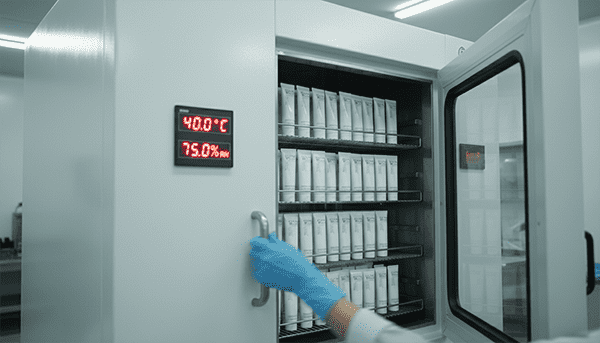
Conducting proper accelerated stability testing[^4] requires advanced laboratory incubators. At CAMELLIA LABS, we simulate the exact Indonesian climate conditions using specialized environmental chambers. A standard 12-week accelerated test under Zone IVb conditions gives you a reliable 2-year shelf life projection for the local market. Skipping this step to save a few hundred dollars is the absolute fastest way to get your product recalled. BPOM strictly requires documented proof of stability under tropical conditions before granting any distribution rights. You need factory partners with in-house climate chambers to avoid expensive third-party lab fees and massive timeline delays. If a factory tells you they only test at room temperature, they are fundamentally unequipped to manufacture for the ASEAN region.
| Testing Standard | Temperature | Relative Humidity (RH) | Shelf Life Projection |
|---|---|---|---|
| Zone I & II (EU/US) | 25°C | 60% | Irrelevant for Indonesia |
| Zone IVb (Indonesia) | 40°C | 75% | Required for BPOM |
| Freeze-Thaw Cycle | -10°C to 40°C | N/A | Tests transit shock |
Sarah's Supply Chain Warning: We once audited a factory for a client that claimed to do "accelerated testing" by leaving samples next to a sunny window in their office. I almost lost my mind. The client's Vitamin C serums oxidized completely in transit. If your manufacturer cannot produce a stamped Zone IVb test report with specific humidity and temperature logs, walk away immediately.
3. Decoding Microbial Limit Reports for BPOM Compliance
BPOM has zero tolerance for pathogens like Pseudomonas aeruginosa. Microbial limit testing proves your product is clean at the time of manufacturing. If you cannot read these reports, you risk importing contaminated batches.
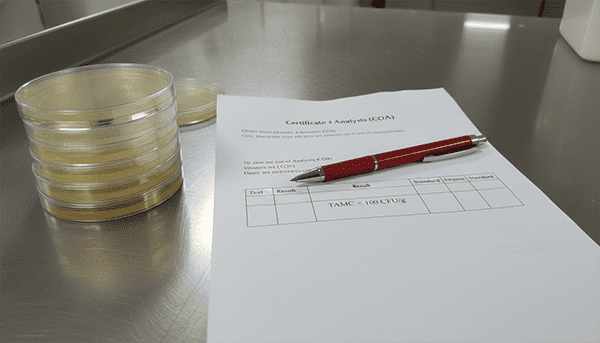
Microbial contamination is a silent brand killer in tropical markets. High humidity means that a single spore introduced during the filling process will multiply exponentially by the time the product hits the shelf. Factories must operate under strict ISO 22716 GMP guidelines[^11] to prevent cross-contamination. You must demand the Certificate of Analysis[^12] (COA) for every single batch, detailing the Total Aerobic Microbial Count (TAMC) and Total Yeast and Mold Count (TYMC). Understanding the legal limits—such as needing less than 1000 CFU/g for adult skin care and less than 100 CFU/g for baby products—is non-negotiable for BPOM clearance. If your factory has poor water filtration systems or dirty filling nozzles, your microbial limits will fail. Always verify the factory's internal water purification logs.
| Microorganism Type | BPOM Limit (Adult Skincare) | Indication of Failure |
|---|---|---|
| TAMC (Bacteria) | < 1000 CFU/g | Poor factory hygiene or water contamination |
| TYMC (Yeast/Mold) | < 100 CFU/g | High humidity exposure[^13] during filling |
| Specific Pathogens | Absent (0 CFU/g) | Critical danger (Staph, E.coli, Pseudomonas) |
Sarah's Supply Chain Warning: A client once brought me a batch of sheet masks produced by a cheap Alibaba supplier. The COA looked totally fine, but I ran a third-party audit anyway because the pricing was suspiciously low. We found massive mold colonies. The factory had forged the microbial report. If you don't know how to cross-reference COAs with raw lab data, you are flying blind.
4. Preservative Efficacy Testing[^6] (PET): Your Shield Against Humidity
PET (or Challenge Testing) ensures your preservative system can fight off active bacterial attacks over time. In Indonesia's humid environment, this is your only defense once a consumer opens the jar.
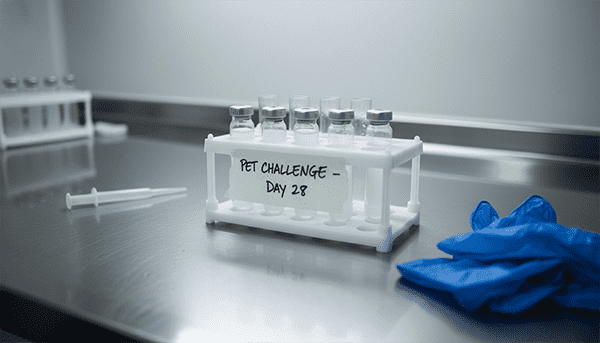
Many brands want to claim "preservative-free" or use weak, natural alternatives. In Indonesia, this is financial suicide. Every time a consumer dips their fingers into a cream, they introduce bacteria. The Preservative Efficacy Test forcefully introduces bacteria and fungi into your formula during the R&D phase to see if the preservatives can kill them off within 28 days. A failed PET means the formulation must go back to the lab, delaying your launch by over a month. Strong supply chains factor this timeline in from day one. You must balance the minimum effective dose of preservatives to avoid skin irritation while maintaining enough strength to pass BPOM standards. Never rush the 28-day PET cycle. It is the definitive proof that your product is safe for consumer use in a tropical climate.
| Pathogen Challenged | Time to Kill (Requirement) | Real-World Threat Level in Indonesia |
|---|---|---|
| E. coli | 7-14 days | High (Consumer handling) |
| Aspergillus niger (Mold) | 14-28 days | Severe (High ambient humidity) |
| S. aureus | 7-14 days | High (Skin contact contamination) |
Sarah's Supply Chain Warning: I worked with an indie brand that insisted on a mild, eco-friendly preservative for their body butter. They skipped the challenge test to meet a tight launch deadline. Fast forward three months: consumers in Bali were returning jars full of black mold. We had to recall the batch and reformulate entirely. Never sacrifice safety for a marketing claim.
Final Verdict
Do not launch in Indonesia without Zone IVb stability testing and verified microbial limits. Your next step is to demand your manufacturer’s environmental chamber logs. If they cannot provide them, find a GMP-certified partner[^14] who understands tropical degradation[^1] immediately.
About the Author I am Sarah Cao, Founder of CAMELLIA LABS (ZJG Nine CS). After 10+ years in the manufacturing trenches, I built this company to be your true "Growth Partner." Good products begin with stringent standards. We help B2B brand founders bypass 99% of production pitfalls through strict GMP compliance and stable, transparent supply chains.
Ready to stop gambling with your supply chain? [Book a technical consultation with CAMELLIA LABS today.]
[^1]: Learn about the impact of tropical conditions on cosmetic formulations and how to mitigate risks. [^2]: This link will guide you through the BPOM audit process, ensuring your products meet local regulations. [^3]: Discover the importance of a stability guide in maintaining product integrity in challenging climates. [^4]: Find out how accelerated stability testing can save your brand from costly recalls. [^5]: Explore the significance of microbial limit testing for ensuring product safety and compliance. [^6]: Learn how PET protects your products from microbial contamination in humid environments. [^7]: This resource will help you understand the importance of thermal resistance in product stability. [^8]: This link provides insights on maintaining product quality from manufacturing to retail. [^9]: Discover the key raw materials that ensure product stability in tropical climates. [^10]: Understand the role of high-shear stable emulsifiers in formulating effective tropical products. [^11]: Explore these guidelines to ensure your manufacturing processes meet international standards. [^12]: Learn about the importance of COA in verifying product safety and compliance. [^13]: Learn about the effects of humidity on product stability and how to combat them. [^14]: This resource will help you identify reliable partners for compliant and safe product manufacturing.