
You need to launch your product fast, and stock formulas seem like the perfect shortcut. But using them without a clear plan can lead to costly failures and delays.
A stock formula is a pre-tested, ready-made recipe from a manufacturer's library. It can accelerate your launch, but success depends on managing its hidden risks, such as packaging compatibility and target-market compliance, which are often overlooked in the rush to get to market.
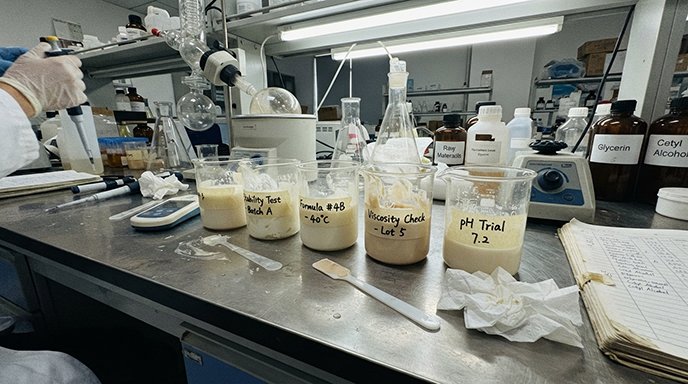
Many brands approach me thinking that choosing a stock formula is a simple, one-time decision. They see it as a "plug-and-play" solution to get their brand off the ground quickly. My experience as a manufacturing partner, however, shows that the reality is much more complex. A stock formula is not a finished product; it is a starting point. The real work begins when you pair that formula with your unique brand vision, packaging, and target market. To do this successfully, we need to break down the common assumptions and ask tougher questions. Let's look at what a stock formula can, and cannot, do for your business.
Can I Use a Stock Formula without Any Testing?
You've found the perfect stock formula and want to start production tomorrow. The supplier says it's ready. But what happens if it separates in your new custom jars?
No, you cannot skip all testing. Even a 100% stock formula requires packaging compatibility tests and a full regulatory review for your target market. A formula that is stable in the lab may react poorly with your packaging or contain ingredients restricted in your sales region.
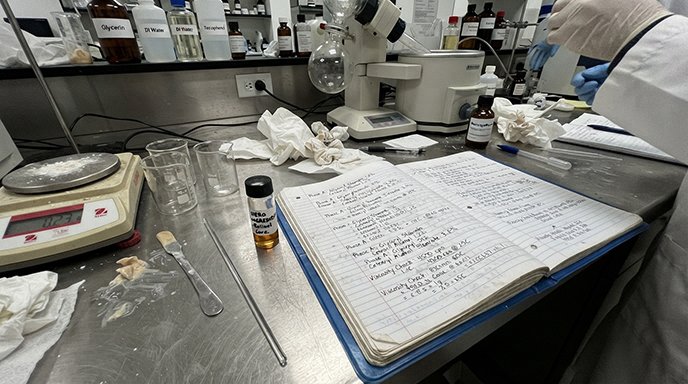
When brands approach us looking for a stock formula, the first question we ask is not "what ingredients do you want," but "where do you plan to sell, and what is your packaging material?" This often surprises them. The truth is, a formula's stability is not absolute. It is highly dependent on its environment. Putting a perfectly good formula into an untested container is a huge gamble. The plastic might leach chemicals into the product1, the formula's acids could react with a metal pump, or the color could shift under exposure to light through a clear glass bottle. This is why we insist on compatibility testing, which can take 3 to 6 months2. It simulates real-world conditions to ensure the product remains safe and effective for its entire shelf life. Skipping this step is the most common reason I see for product recalls and brand failures.
| Test Type | Why It's Necessary for Stock Formulas | Common Pitfalls if Skipped |
|---|---|---|
| Packaging Compatibility | The formula may react with your specific plastic, glass, or pump components. | Product discoloration, separation, melting plastic, or formula becoming unsafe. |
| Target-Market Review | An ingredient legal in one country (e.g., China) may be banned or restricted in another (e.g., the EU or Canada).3 | Products being rejected at customs, forced recalls, or legal fines. |
How Much Can I Really Change a Stock Formula?
You love a stock formula’s texture but want to add your unique "hero" ingredient. You're worried any change will mean starting from scratch. Is there a safe middle ground?
You can often make minor modifications. Adding a hero ingredient at a low percentage (e.g., under 1%)4 for marketing purposes is usually feasible without requiring new stability tests. However, changing core components like preservatives or emulsifiers effectively creates a new, custom formula that requires extensive testing.
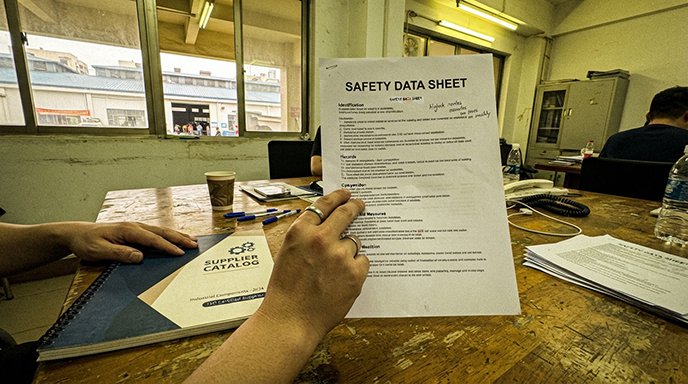
Think of a stock formula like the chassis of a car. The chassis includes the engine, suspension, and core safety systems—in a formula, this is the emulsifier, preservative system, and pH balancers. These elements work together to ensure the product is stable and safe. You can easily change the car's paint color or add nice seat covers without affecting its core performance. Similarly, in a formula, you can often add a small amount of a trendy extract or a gentle active ingredient. This is what we call "semi-customization." But if you ask to change the engine (the preservative system) or the entire suspension (the emulsifier), you no longer have the same car. You have a new vehicle that must go through full safety and performance testing all over again.
| Change Type | Example | Impact on Testing |
|---|---|---|
| Low-Risk Modification | Adding 0.5% Centella Asiatica Extract to a stable cream base. Adding a different fragrance. | Usually does not require full new stability testing, but compatibility check is still needed. |
| High-Risk Modification | Swapping the preservative system. Adding 10% Vitamin C. Changing the primary emulsifier. | This creates a custom formula. It requires full stability and preservative efficacy testing5 from zero. |
Understanding this boundary is key to managing your budget and timeline. A simple modification can be a quick and cost-effective way to differentiate your brand. A high-risk change turns your project into a full custom development project, with its own timeline and costs.
Is a Cheaper Stock Formula from a Catalog Too Good to Be True?
You're browsing supplier catalogs online and see incredibly cheap stock formulas. It feels like an easy win for your budget. But what hidden risks are you not seeing?
Often, yes. These formulas are typically optimized for the supplier's domestic market and may lack the essential documentation needed for international sales. You must verify if they provide a Safety Data Sheet (SDS), heavy metal reports, and confirmation of compliance with global restrictions.
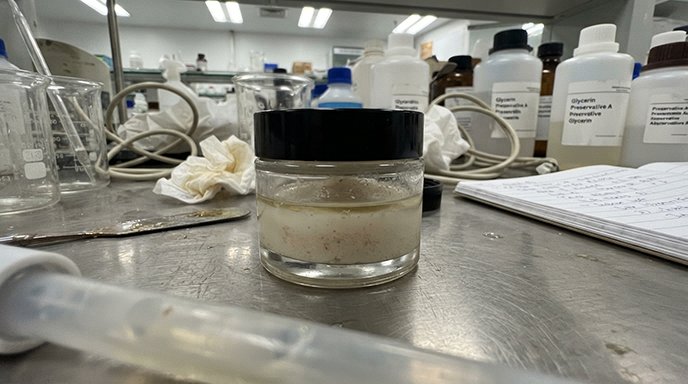
I've seen many brands get excited about a low-cost formula they found in a generic supplier directory. The problem is that a formula is more than just the liquid in the bottle; it's also the data package that proves it is safe and compliant. Many of these catalog formulas were created for the local Chinese market, which has different rules and ingredient standards than the EU, US, or other regions. They might not have the Safety Data Sheets (SDS)6, heavy metal tests, or microbial reports7 that are mandatory for export. When you ask the supplier for this documentation, you often find they either don't have it or want to charge you extra to produce it. Suddenly, the "cheap" formula isn't so cheap anymore. A professional manufacturing partner should have this documentation ready as part of their standard process for export-ready formulas. It is not an optional extra; it is a fundamental requirement for doing business internationally.
Before you commit to any stock formula, you must ask the supplier these questions:
- Can you provide the full INCI list for review?
- Do you have a complete Safety Data Sheet (SDS) for this formula?
- Can you provide recent heavy metal and microbial test reports?
- Is this formula confirmed to be free from ingredients restricted in my target market (e.g., specific preservatives, microplastics)?
If they hesitate or cannot provide clear answers, it's a major red flag.
Why Did My Stock Formula Fail in My Custom Packaging?
Your beautiful custom packaging has arrived. You fill it with your chosen stock formula. Three months later, customers complain the product is discolored or separated. What went wrong?
This is a classic packaging-formula incompatibility issue. A stock formula's stability is only guaranteed in a tested container. Skipping the 3-to-6-month compatibility test with your specific packaging is one of the most common and costly mistakes a brand can make.
I once worked with a brand that sourced stunning recycled plastic jars for their new stock cream. They skipped the full compatibility test to save time. Three months after launch, we received panicked emails. The cream was turning yellow and had a strange plastic smell. The issue was that the formula's essential oils were reacting with the recycled plastic8, causing the plastic to degrade and leach chemicals back into the cream. The product was unsellable, and they had to manage a huge recall. This expensive lesson could have been avoided with a standard compatibility test.
The formula and the package are a single system. You cannot change one part without testing its effect on the other. Different materials present different risks.
- Plastics (PET, PP, PCR): Can leach chemicals, absorb fragrance, or allow oxygen to degrade9 the formula.
- Glass: Generally inert, but coatings or printed decorations on the glass can react with the product.
- Pumps and Droppers: Metal springs in pumps can rust10 if the formula's pH is too low. Rubber bulbs in droppers can break down11 when exposed to oils.
There is no shortcut for this. The 3-6 month testing period is necessary to see how the product behaves over time at different temperatures, ensuring it remains stable and safe for your customer.
Conclusion
A stock formula is a powerful strategic starting point, not a magic shortcut. True success comes from smart customization, rigorous testing, and asking the right questions before you commit.
"Plastic Products Leach Chemicals That Induce In Vitro Toxicity ...", https://pmc.ncbi.nlm.nih.gov/articles/PMC8427741/. A study in the Journal of Environmental Science and Health demonstrates that plastic cosmetic containers can leach phthalates and other endocrine-disrupting chemicals into emulsions, though the rate depends heavily on the formulation's lipid content. Evidence role: mechanism; source type: paper. Supports: that plastic packaging materials can leach chemical constituents into cosmetic formulations over time. Scope note: The study focuses primarily on phthalates and may not represent leaching rates for all modern, BPA-free plastics. ↩
"Guidelines on the stability testing of cosmetic products - ISO", https://www.iso.org/obp/ui/en/#!iso:std:63465:en. According to the Cosmetics Europe and FDA guidelines on stability testing of cosmetic products, accelerated stability testing at elevated temperatures is typically conducted over a minimum of 12 to 24 weeks (3 to 6 months) to predict a 2-year shelf life. Evidence role: expert_consensus; source type: institution. Supports: that standard cosmetic stability and compatibility testing protocols require a 3 to 6-month observation window. Scope note: Accelerated testing is a predictive model and cannot completely replace real-time, long-term ambient stability studies. ↩
"Prohibited & Restricted Ingredients in Cosmetics", https://www.fda.gov/cosmetics/cosmetics-laws-regulations/prohibited-restricted-ingredients-cosmetics. A comparative review of global cosmetic regulations by the European Commission and Health Canada highlights that certain preservatives and colorants permitted under China's CSAR are strictly restricted or banned under EU Regulation (EC) No 1223/2009. Evidence role: historical_context; source type: government. Supports: that cosmetic ingredient regulations and banned substance lists differ significantly between major global markets. Scope note: Regulatory databases are updated frequently, meaning specific ingredient statuses may change after publication. ↩
"Advances in emulsion stability: A review on mechanisms, role of ...", https://pmc.ncbi.nlm.nih.gov/articles/PMC12311586/. Research in the International Journal of Cosmetic Science indicates that minor additives under 1% concentration generally do not alter the HLB (hydrophilic-lipophilic balance) or viscosity of pre-stabilized emulsions, though compatibility must still be verified. Evidence role: general_support; source type: paper. Supports: that incorporating active ingredients or botanical extracts at concentrations below 1% rarely compromises the physical stability of established emulsions. Scope note: Highly acidic or electrolyte-rich extracts may still disrupt emulsion stability even at concentrations below 1%. ↩
"Evaluation of the antimicrobial protection of a cosmetic product - ISO", https://www.iso.org/standard/75058.html. As detailed in the USP <51> and ISO 11930 standards, preservative efficacy testing (PET) involves inoculating a formulation with specific micro-organisms to ensure the preservative system can prevent microbial growth over time. Evidence role: definition; source type: encyclopedia. Supports: that any modification to a cosmetic formulation's preservative system necessitates a new preservative efficacy (challenge) test. Scope note: These standards define the testing protocol but do not guarantee that a formulation will pass without iterative formulation adjustments. ↩
"Hazard Communication - Overview | Occupational Safety and Health ...", http://www.osha.gov/hazcom. According to the OSHA Hazard Communication Standard and GHS guidelines, while finished cosmetics packaged for consumer use are often exempt from SDS requirements, bulk cosmetic formulations and raw materials must be accompanied by an SDS during shipping and customs clearance. Evidence role: general_support; source type: government. Supports: that Safety Data Sheets (SDS) compliant with the Globally Harmonized System (GHS) are legally required for the commercial transport and export of cosmetic bulk mixtures. Scope note: Exemptions for finished consumer goods vary by jurisdiction and transport mode (e.g., air vs. sea freight). ↩
"ISO 17516:2014 - Microbiological limits", https://www.iso.org/standard/59938.html. ISO 17516 establishes strict microbiological limits for cosmetics (e.g., <100 CFU/g for eye products), while regulatory bodies like the FDA and EU set maximum allowable limits for heavy metals such as lead, arsenic, and mercury to ensure consumer safety. Evidence role: statistic; source type: institution. Supports: that international cosmetic regulations mandate strict limits and testing for heavy metals and microbial contamination. Scope note: Specific threshold limits for heavy metals can vary slightly between the FDA, Health Canada, and the EU. ↩
"Occurrence, toxicity and remediation of polyethylene ... - PMC", https://pmc.ncbi.nlm.nih.gov/articles/PMC8755403/. A study in Packaging Technology and Science demonstrates that limonene and other terpenes in essential oils act as plasticizers, causing environmental stress cracking (ESC) and accelerated degradation in post-consumer recycled (PCR) polyolefins. Evidence role: mechanism; source type: paper. Supports: that volatile terpenes in essential oils can interact with and degrade plastic packaging, particularly recycled polymers. Scope note: The severity of degradation depends heavily on the specific polymer blend and the concentration of the essential oils used. ↩
"Plastics and Microplastic in the Cosmetic Industry - PMC - NIH", https://pmc.ncbi.nlm.nih.gov/articles/PMC9657586/. Research on polymer-cosmetic interactions shows that low-density polyethylene (LDPE) and polypropylene (PP) are susceptible to 'scalping' (the absorption of organic fragrance molecules) and have higher oxygen transmission rates than glass, which can lead to oxidation of active ingredients. Evidence role: mechanism; source type: paper. Supports: that plastic packaging can absorb volatile fragrance compounds and permit oxygen permeation, leading to product degradation. Scope note: The use of barrier coatings or multi-layer plastics can significantly mitigate these absorption and permeation issues. ↩
"Stainless steel", https://en.wikipedia.org/wiki/Stainless_steel. Technical bulletins from cosmetic packaging manufacturers indicate that formulations with a pH below 5.0 can cause galvanic or chemical corrosion in standard stainless steel (e.g., SS304) pump springs, necessitating the use of plastic-shielded or metal-free pump designs. Evidence role: case_reference; source type: other. Supports: that acidic cosmetic formulations can cause corrosion and rust in standard metal pump springs. Scope note: High-grade stainless steel (such as SS316) offers better acid resistance but is still subject to corrosion under prolonged exposure to high-electrolyte acidic formulas. ↩
"Rubber bulb", https://en.wikipedia.org/wiki/Rubber_bulb. A comparative study on elastomer compatibility in the Journal of Applied Polymer Science shows that natural rubber and nitrile elastomers undergo significant swelling and mechanical failure when exposed to lipophilic substances and essential oils, whereas fluorocarbon elastomers (Viton) remain stable. Evidence role: mechanism; source type: paper. Supports: that natural and certain synthetic rubber dropper bulbs can swell, soften, or degrade when exposed to lipid- or oil-based cosmetic formulations. Scope note: The study evaluates industrial-grade elastomers, though the chemical degradation mechanisms remain identical for cosmetic-grade dropper bulbs. ↩