"Made in Germany" is more than just a label; it is a promise of precision. For beauty founders, the fear of inconsistent batches, contamination, or formula separation is constant. If you are building a premium brand, can you afford a manufacturing partner who views quality as an afterthought?
Leading Paragraph: Every founder nightmares about a customer opening a jar to find mold or a separated formula. Low-cost manufacturing often cuts corners on hygiene, putting your entire brand reputation at risk. (Max 30 words).
Snippet Paragraph: Choosing private label Germany[^1] means aligning your brand with the world’s strictest quality assurance[^2] ecosystem. It goes beyond basic compliance; it implies adherence to the rigorous German Cosmetic Ordinance (KVO) and precision engineering that ensures every single unit matches the master sample perfectly. (Max 50 words).
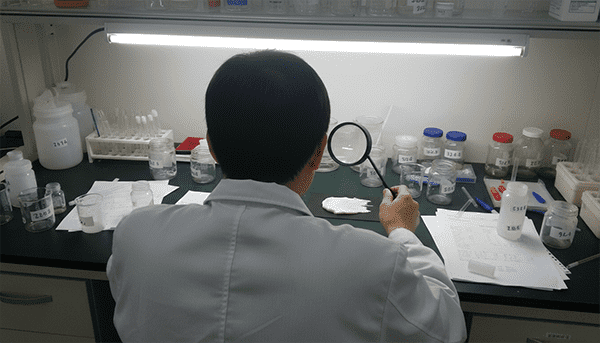
Transition Paragraph: German manufacturing isn't just about geography; it's a philosophy of zero tolerance for error. While the costs may be higher than in other regions, the investment pays for itself in sleep-at-night reliability. Let’s explore why this region remains the global benchmark for high-end skincare.
From GMP Compliance[^3] to Total Quality Assurance: What is the Real Value of "Made in Germany"?
Leading Paragraph: A certificate on a wall doesn't guarantee quality in the bottle. Many factories worldwide treat GMP as a one-time checkbox, but in Germany, it is an operational lifestyle. (Max 30 words).
Snippet Paragraph: The real value lies in the integration of ISO 22716[^4] (GMP) with local pharmaceutical-grade discipline. In Germany, quality assurance[^2] is not just about the final product; it covers the entire lifecycle, from raw material purity verification to strict water purification systems that prevent microbial growth. (Max 50 words).
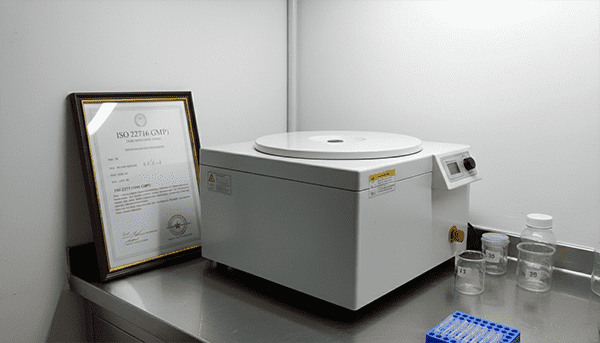
Dive Deeper: When I source partners for Camellia Labs, I look for a "Culture of Quality." In many parts of the world, ISO 22716[^4] is the maximum standard. In Germany, it is the minimum baseline.
The German cosmetic industry operates under the Kosmetikverordnung (KVO), which often aligns closely with pharmaceutical standards. This leads to a level of documentation and traceability that is rare elsewhere.
The "Four-Eyes Principle[^5]": A key aspect of German quality assurance[^2] is the "Four-Eyes Principle[^5]." No critical step—from weighing ingredients to releasing a batch—is done by one person alone. A second qualified person (or automated digital system) must verify the action. This reduces human error to near zero.
Comparison: Standard vs. German Standard
| Feature | Standard Global GMP (ISO 22716[^4]) | German "Gold Standard" Execution |
|---|---|---|
| Water Quality | "Potable" or basic filtered water. | Pharma-grade Aqua Purificata[^6]. Prevents biofilm and contamination. |
| Raw Material ID | Relies on supplier's paperwork (COA). | In-house FTIR Testing[^7]. Verifies the chemical fingerprint of every incoming drum. |
| Hygiene Zones | Basic clean zones. | Positive Pressure Air locks[^8]. Keeps dust and microbes out of filling rooms. |
| Traceability | Can trace batch numbers. | Full Genealogy[^9]. Can trace which specific operator weighed ingredient X on which scale. |
Scalability Insight: Retailers like Douglas or niche perfumeries trust German documentation implicitly. If you manufacture here, you bypass many of the skeptical audits retailers usually perform on new brands.
What Does the German QA/QC Checklist Actually Look Like?
Leading Paragraph: You might think you have a quality control process, but do you have a "German" quality control process? Most brands miss critical checkpoints that safeguard against long-term stability issues. (Max 30 words).
Snippet Paragraph: A robust German QA checklist includes incoming raw material identity testing (FTIR), in-process bulk viscosity checks, microbiological challenge testing (PET) before filling, and a final weight control check using calibrated scales to ensure consumer fairness and legal compliance. (Max 50 words).
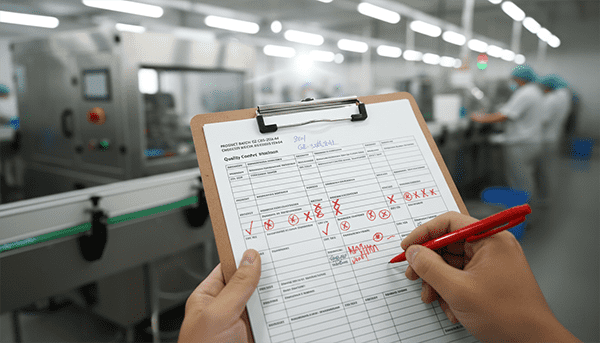
Dive Deeper: As a brand owner, you should demand to see your manufacturer’s Quality Control Plan (QCP). If they cannot provide a detailed flow chart, run.
Here is the checklist I use when auditing German facilities for our clients. This is what you are paying for when you choose private label Germany[^1].
The Ultimate QA/QC Checklist
-
Incoming Goods Inspection (The Gatekeeper):
- Check: Does the factory test the pH, color, and odor of raw materials against a standard before they enter the warehouse?
- Why: If the raw material is wrong, the final product will never be right.
-
Bulk Production "In-Process" Control:
- Check: Are viscosity and density measured during the mixing process?
- Why: Waiting until the end is too late. If the cream is too thin, it must be corrected immediately.
-
Microbiological Release (The Safety Net):
- Check: Do they hold the bulk for 3-5 days to test for bacteria/mold before filling it into jars?
- Why: Filling contaminated bulk contaminates the entire filling line, costing thousands to clean.
-
Finished Goods Weight Control:
- Check: Do they use dynamic check-weighers[^10] on the line?
- Why: Under EU "e-mark" laws, you cannot underfill products. German factories use automated reject systems to kick off any jar that is even 1 gram underweight.
My Insight: Many clients ask me, "Sarah, why is this testing so expensive?" I tell them: "Recall insurance." One recall can cost you $50,000+ and your reputation. This checklist is your insurance policy.
Why Is Reliability Worth the Higher Unit Cost?
Leading Paragraph: Sticker shock is common when comparing German quotes to Asian or Southern European options. However, looking at the "First Price" ignores the hidden costs of failure. (Max 30 words).
Snippet Paragraph: While private label Germany[^1] may have higher labor and energy costs, the high level of automation reduces the "Cost of Poor Quality" (COPQ). You save money by avoiding rejected batches, shipping delays, and the need for expensive third-party inspections required in riskier regions. (Max 50 words).
Dive Deeper: In supply chain management, we talk about "Total Landed Cost[^11]."
- Factory A (Low Cost Region): Unit cost $2.00. But, 5% of jars leak, shipping takes 6 weeks, and you have to fly there to supervise production. Real cost = $3.50 + Stress.
- Factory B (Germany): Unit cost $3.00. Defect rate is 0.01%, shipping is reliable, and digital reports are sent automatically. Real cost = $3.10 + Peace of mind.
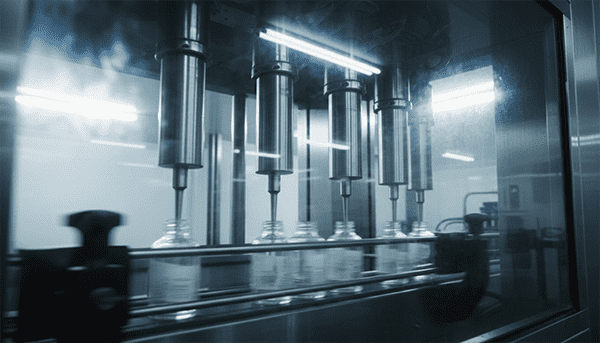
The Automation Advantage: German factories are leaders in Industry 4.0[^12]. They use robots for filling, capping, and boxing.
- Consistency: A robot applies the exact same torque to a cap every time. A human gets tired. This means your customers won't complain about leaking bottles.
- Cleanliness: Fewer humans on the line means fewer particles (skin, hair, dust) in the product.
When to Choose Germany:
- You are selling "Cosmeceuticals" or "Doctor Brands" where efficacy and safety are the main selling points.
- You target high-end retail (Spas, Luxury Department Stores).
- You require organic certification (Germany is a pioneer in COSMOS/Natrue standards[^13]).
Conclusion: Choosing a manufacturing base is a strategic decision, not just a financial one. "Made in Germany" offers a level of quality assurance[^2] that acts as a fortress for your brand. At Camellia Labs, we partner with top-tier German facilities to bring this level of precision to your product line, ensuring that what is on the label is exactly what is in the bottle.
[^1]: Explore how private label Germany can elevate your brand with unmatched quality and reliability. [^2]: Learn about the importance of quality assurance in ensuring product safety and effectiveness. [^3]: Discover how GMP compliance ensures high standards in cosmetic production. [^4]: Find out how ISO 22716 sets the benchmark for good manufacturing practices. [^5]: Learn how this principle minimizes errors in manufacturing processes. [^6]: Explore the significance of using high-quality water in cosmetic formulations. [^7]: Understand how FTIR testing ensures the purity and identity of raw materials. [^8]: Discover how these systems maintain hygiene in production environments. [^9]: Learn about the importance of traceability in ensuring product safety. [^10]: Explore how dynamic check-weighers ensure product compliance with legal standards. [^11]: Learn how to calculate the true cost of manufacturing beyond just unit price. [^12]: Discover how Industry 4.0 technologies are revolutionizing the manufacturing landscape. [^13]: Explore the significance of these standards in ensuring product authenticity.