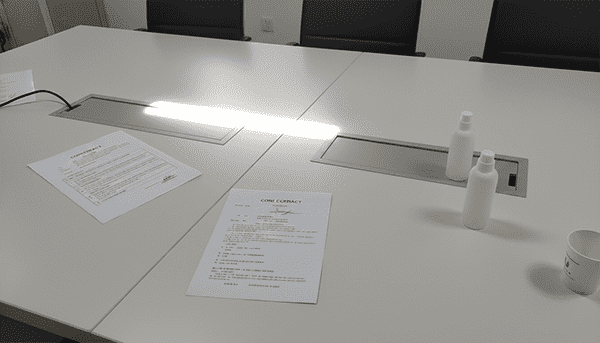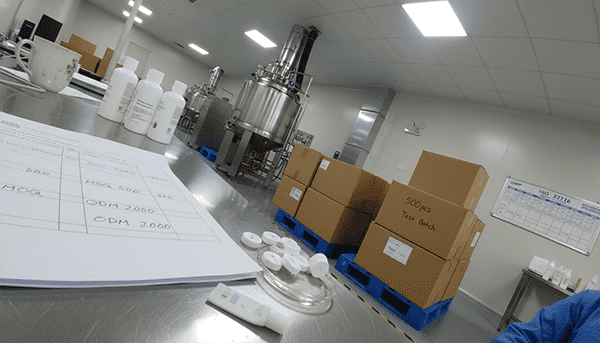
Trapped between tying up cash in bulk inventory and risking unstable formulas with tiny runs? Choosing the wrong minimum order quantity[^1] kills brands. Here is how to navigate safely.
A 500-unit minimum order quantity (MOQ) is ideal for private label[^2] market testing, taking 2 to 4 weeks for launch. A 2000-unit MOQ is the baseline for custom OEM/ODM[^3] manufacturing. This volume ensures GMP compliance[^4], proper preservative efficacy testing, and stable custom formulation[^5]s.
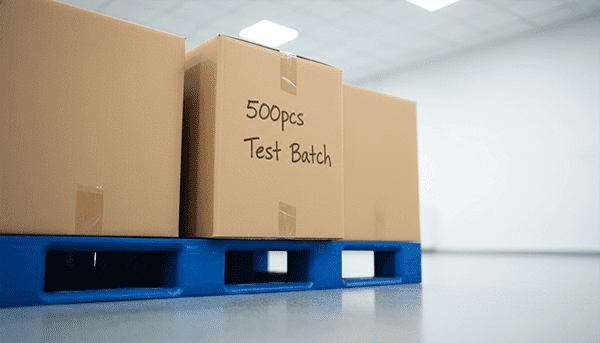
Decoding unit economics is the first step to building a resilient beauty brand. Let us explore how these specific production thresholds directly impact your business stability and regulatory compliance[^6].
What Does a 500 Unit MOQ Actually Mean for Your Cash Flow?
Heavy initial investments drown new brands before they reach the market. You need to validate your concept quickly. A 500-unit run protects your runway and provides immediate market feedback[^7].
Producing 500 units utilizes pre-tested private label[^2] formulas and standardized packaging. This strategy eliminates bespoke research and development costs. It shortens lead times[^8] to 2-4 weeks, allowing founders to allocate capital toward customer acquisition rather than idle warehouse inventory.
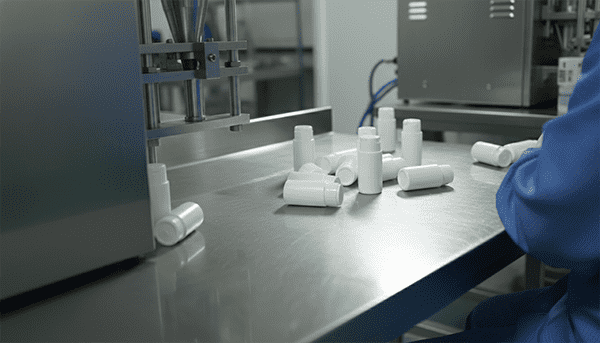
When sourcing managers look at unit economics, they often mistakenly chase the absolute lowest price per bottle. I urge you to look at the total capital at risk instead. A 500-unit run is your strategic entry point for market validation[^9].
At CAMELLIA LABS, we structure our 500-unit private label programs specifically to bypass the massive capital traps of custom manufacturing. You do not need a unique chemical profile to test your branding and marketing funnels. You need speed, safety, and cash liquidity.
Consider the financial breakdown[^10] of launching at this tier:
- Zero Formulation Costs: You utilize our ISO-certified, pre-vetted bases.
- Rapid Speed to Market: Launch timelines shrink from six months to just 2-4 weeks.
- Protected Marketing Budget: Saving tens of thousands on R&D leaves you with actual capital to spend on ads and influencer seeding.
Sarah's Insight: I once consulted a founder who sank $30,000 into a custom formula before making a single sale. Six months later, the trend had passed. I always tell my clients: use 500 units of a high-quality private label to build your audience first. Let the market fund your future custom formulation[^5]s.
When Should You Scale to a 2000+ Unit Custom ODM?
Using generic formulas limits your brand equity as you grow. Eventually, competitors will catch up. Scaling to custom manufacturing is mandatory for building a defensible, unique product line.
A 2000-unit MOQ is the industry standard for custom OEM/ODM[^3]. This volume justifies the regulatory overhead, including Preservative Efficacy Testing[^11] (PET), stability testing, and custom packaging runs. It guarantees GMP compliance[^4] while allowing unique active ingredient concentrations and tailored sensory profiles.

Transitioning from a private label[^2] model to a custom formulation[^5] is a major operational shift. You are no longer just selling a brand; you are owning proprietary intellectual property[^12].
Scaling requires strict technical compliance. Custom formulas demand rigorous testing under GMP and ISO guidelines to ensure product safety across its entire shelf life. Why is 2000 units the magic number? Because factories cannot ethically calibrate industrial mixing vats, run comprehensive stability protocols, and source unique raw materials for anything less.
Here is how Private Label compares to Custom OEM/ODM at scale:
| Feature | 500 Unit Private Label | 2000+ Unit Custom OEM/ODM |
|---|---|---|
| Formula Ownership | Factory owns the formula | Brand owns the unique formula |
| Lead Time | 2 to 4 weeks | 3 to 6 months |
| Compliance Testing | Pre-completed | Custom PET and Stability testing required |
| Packaging | Standardized | Fully customized molds and printing |
Sarah's Insight: Founders often ask me to reverse-engineer a top-selling serum. I always verify their sales volume first. If you cannot comfortably sell 2000 units in three months, do not customize. The minimum order quantities for bespoke packaging alone will crush your margins. Wait until your distribution channels are proven.
The Truth About "Low MOQ" and Batch Inconsistency?
Suppliers promising 100-unit custom runs sound like a dream. In reality, they are a massive regulatory liability. Skipping critical quality control leads to product recalls and destroyed brand reputations.
Ultra-low custom MOQs typically indicate severe manufacturing shortcuts. Factories cannot profitably run Preservative Efficacy Testing[^11] (PET) or maintain strict homogenization on 100-unit micro-batches. This leads to critical batch inconsistency[^13], phase separation, and potential FDA or TGA compliance failures.
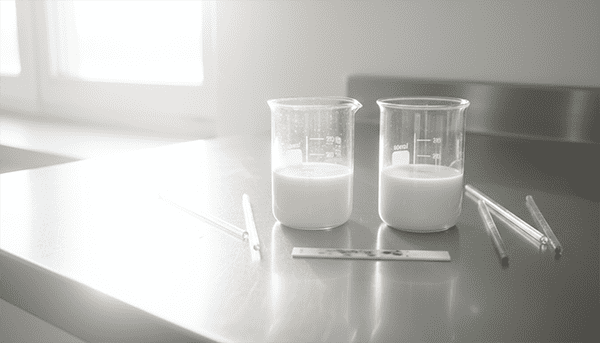
The beauty industry has a dirty secret regarding ultra-low minimum order quantities. Many overseas factories advertise full custom formulation[^5] for just 100 units to hook desperate brand founders. This is technically and economically impossible to do safely.
Critical thinking dictates that if an accredited lab charges $500 for proper microbial challenge testing, a factory making $200 on a micro-batch is absolutely skipping that test. They mix ingredients in unsanitary buckets rather than sterilized vacuum emulsifiers.
The risks of falling for ultra-low custom MOQs include:
- Batch Inconsistency: Your first batch smells like lavender; the second batch smells like chemicals. Colors and textures will vary wildly.
- Microbial Contamination: Without proper PET, your product may grow mold within months.
- Regulatory Non-Compliance: You will lack the necessary documentation to pass FDA MoCRA or TGA audits.
Sarah's Insight: I have inspected dozens of facilities that offer 100-piece custom runs. They cut corners by using expired raw materials or skipping stabilization processes altogether. At CAMELLIA LABS, we refuse to compromise. Good products begin with stringent standards. If a supplier promises you the world for pennies, they are making you pay with your brand's reputation.
Choosing your minimum order quantity[^1] dictates your brand's survival. Start smart with 500 units to validate, then scale to 2000 to dominate. Your supply chain is your ultimate competitive advantage.
About Sarah Cao & CAMELLIA LABS I am Sarah Cao, Founder of CAMELLIA LABS (ZJG Nine CS). With over 10 years of experience in supply chain management[^14], I know exactly why factories fail. We are not just a supplier; we are your Growth Partner. We help beauty brand founders avoid 99% of production pitfalls through strict GMP compliance[^4] and stable supply chains.
"Good products begin with stringent standards."
Stop risking your cash flow on unpredictable factories. Partner with CAMELLIA LABS to build a compliant, scalable product line today.
Core Frequently Asked Questions (FAQ)
Q: What does a 500 unit MOQ actually mean for my cash flow? A: A 500 unit MOQ minimizes your initial capital risk, making it ideal for market data testing. It allows you to launch in 2-4 weeks using stable, pre-formulated private label[^2] products. However, it relies on standard formulas and packaging, meaning it is a stepping stone for data collection, not a long-term strategy for brand differentiation.
Q: Why should a beauty brand choose a 2000+ unit MOQ over a 500 unit MOQ? A: While 500 units are for testing, a 2000+ unit MOQ is essential for true brand competitiveness. It unlocks custom formulation[^5] (Custom ODM), unique packaging molds, and guaranteed batch-to-batch consistency. This provides the market differentiation and supply chain stability needed to build a defensible, long-term beauty brand.
Q: Is it true that low MOQs can cause batch inconsistency? A: Yes. Many standard factories promising extremely low MOQs for custom formulas often cut corners on preservative challenge testing and raw material sourcing. This leads to batch inconsistency[^13] where your second production run may separate or smell different from the first. At Camellia Labs, we explicitly separate private label (500 MOQ) from custom ODM (2000 MOQ) to guarantee product stability at every tier.
<script type="application/ld+json"> { "@context": "https://schema.org", "@type": "FAQPage", "mainEntity": [ { "@type": "Question", "name": "What does a 500 unit MOQ actually mean for my cash flow?", "acceptedAnswer": { "@type": "Answer", "text": "A 500 unit MOQ minimizes your initial capital risk, making it ideal for market data testing. It allows you to launch in 2-4 weeks using stable, pre-formulated private label products. However, it relies on standard formulas and packaging, meaning it is a stepping stone for data collection, not a long-term strategy for brand differentiation." } }, { "@type": "Question", "name": "Why should a beauty brand choose a 2000+ unit MOQ over a 500 unit MOQ?", "acceptedAnswer": { "@type": "Answer", "text": "While 500 units are for testing, a 2000+ unit MOQ is essential for true brand competitiveness. It unlocks custom formulation (Custom ODM), unique packaging molds, and guaranteed batch-to-batch consistency. This provides the market differentiation and supply chain stability needed to build a defensible, long-term beauty brand." } }, { "@type": "Question", "name": "Is it true that low MOQs can cause batch inconsistency?", "acceptedAnswer": { "@type": "Answer", "text": "Yes. Many standard factories promising extremely low MOQs for custom formulas often cut corners on preservative challenge testing and raw material sourcing. This leads to batch inconsistency where your second production run may separate or smell different from the first. At Camellia Labs, we explicitly separate private label (500 MOQ) from custom ODM (2000 MOQ) to guarantee product stability at every tier." } } ] } </script>
[^1]: Understanding MOQs is crucial for managing cash flow and ensuring product quality in cosmetic manufacturing. [^2]: Private label options can help new brands test the market without heavy investment in custom formulations. [^3]: Learn how custom OEM/ODM can enhance your brand's uniqueness and market position. [^4]: GMP compliance ensures product safety and quality, which is vital for brand reputation. [^5]: Custom formulations can differentiate your brand and meet specific consumer needs. [^6]: Understanding regulatory compliance is essential for avoiding legal issues and ensuring product safety. [^7]: Market feedback is vital for refining products and aligning them with consumer expectations. [^8]: Knowing lead times helps brands plan their product launches and inventory management. [^9]: Market validation helps brands understand consumer preferences and reduce financial risks. [^10]: A detailed financial breakdown helps brands understand costs and allocate resources effectively. [^11]: Understanding PET is essential for ensuring the longevity and safety of cosmetic products. [^12]: Protecting intellectual property is crucial for maintaining a competitive edge in the beauty industry. [^13]: Discover the risks of batch inconsistency and how it can affect your brand's reputation. [^14]: Effective supply chain management is key to ensuring product quality and timely delivery.