

Navigating the web of global regulations is overwhelming. A single compliance mistake can block market access and trigger costly recalls. This guide provides a clear roadmap for 2026 compliance.
By 2026, global cosmetics regulations will demand a proactive, system-based compliance strategy from all brands. The era of reactive, market-by-market fixes is over. Key frameworks include the US FDA's MoCRA, which mandates facility registration and product listing by July 1, 2025, for many businesses, fundamentally altering US market access1. Concurrently, the ISO 22716 standard for Cosmetics GMP is evolving, with 2026 updates emphasizing digital traceability and robust supply chain documentation2. For market entry into Australia, the TGA continues to strictly enforce the line between cosmetics and therapeutic goods, scrutinizing marketing claims3. In Canada, the Health Canada Cosmetic Ingredient Hotlist remains a dynamic barrier, requiring constant formula monitoring4. Successfully navigating this landscape means embedding multi-regional compliance into your process from formulation, not treating it as a final hurdle. Your brand’s survival depends on this integrated approach.

The Comparative Data
| Regulatory Body | Key Focus | Primary Document/Action | 2026 Deadline/Status | Risk Level for Brands |
|---|---|---|---|---|
| MoCRA (USA) | Facility & Product Registration | FDA Portal Registration | July 1, 2025 (Small Biz) | High: Market Access Block |
| ISO 22716 (Global) | Manufacturing Practices (GMP) | GMP Certification & Digital Records | Ongoing; 2026 Update | Medium: Supply Chain Integrity |
| Health Canada | Ingredient Safety | Cosmetic Ingredient Hotlist | Continuously Updated | High: Reformulation Required |
| TGA (Australia) | Therapeutic vs. Cosmetic Claims | Product Claims & Formulation | Pre-Market; Ongoing | High: Product Reclassification |
| COFEPRIS (LATAM) | Sanitary Registration | Sanitary Notice/Registration | Pre-Market; Varies | Medium: Market Entry Delay |
What Are the FDA MoCRA Facility Registration & Product Listing Deadlines for 2025–2026?
The MoCRA deadlines are not suggestions; they are gates to the US market. Missing them means your products can be legally blocked from sale. Here is what you must know.
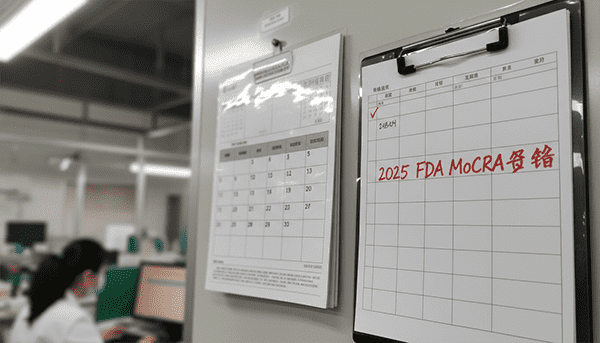
The Modernization of Cosmetics Regulation Act (MoCRA) is the most significant overhaul of US cosmetics law in over 80 years5. Its core requirements for brands and manufacturers are mandatory facility registration, product listing, formal adverse event reporting, and maintaining documented safety substantiation for every product. For most businesses, the statutory deadlines for initial facility registration and product listing were December 29, 2023. However, the FDA provided a grace period, extending the deadline to July 1, 2024. For small businesses (as defined by MoCRA), this key deadline is July 1, 2025. By 2026, compliance will be fully enforced, making a registered facility and listed products non-negotiable for legal market presence6. This isn't just paperwork; it is a new operational standard for accessing the world's largest consumer market.
Dive Deeper
The FDA now requires every cosmetic brand selling in the US to have a designated "Responsible Person" and maintain records substantiating product safety. This "safety substantiation" isn't a marketing claim; it's a formal dossier of data. This file must contain tests and analyses proving your product is safe for its intended use. At CAMELLIA LABS, this dossier is not an afterthought. For every formulation, we build this file from day one, including raw material toxicological data, stability testing results, microbial challenge test reports (PET), and packaging compatibility assessments. We structure this data digitally, preparing it for submission and ensuring it meets the strict technical requirements of MoCRA. This proactive documentation ensures our brand partners are compliant before their first production run ever begins.
Sarah's Supply Chain Warning: "I saw a brand spend $50k on a TikTok campaign for their US launch. The products arrived at the port of Los Angeles and were immediately detained by Customs. Their contract manufacturer had failed to complete the MoCRA facility registration. The entire campaign budget was wasted because they prioritized marketing glamour over regulatory groundwork."
What New Requirements Does the 2026 ISO 22716 Update Impose on Brands?
Your GMP certificate might not be enough. The evolving ISO 22716 standard emphasizes digital traceability and risk management. Is your supply chain prepared for this new level of accountability?
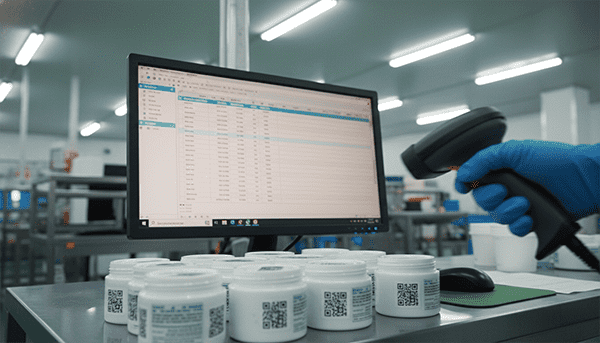
ISO 22716 is the international standard for Cosmetic Good Manufacturing Practices (GMP). It provides the definitive guidelines for the production, control, storage, and shipment of cosmetic products7. While the core principles remain, the practical application by 2026 requires deeper integration of digital systems. The upcoming focus is on robust digital record-keeping, end-to-end supply chain transparency, and proactive risk assessment for raw materials8. This means a paper certificate is insufficient. Auditors now expect to see a live, demonstrable system for batch traceability—from the Certificate of Analysis (COA) of an incoming raw material to the shipping log of a finished product. It's a shift from proving cleanliness to proving control over the entire data trail of production.
Dive Deeper
ISO 22716:2007 provides the foundational guidelines for the cosmetic products supply chain. However, its 2026 interpretation is all about execution. At our CAMELLIA LABS (ZJG Nine CS) facility, this principle is built into our infrastructure. Every production batch is assigned a unique digital "passport." This passport links the raw material COAs, vendor qualification records, precise mixing times and temperatures logged by our system, and the final Quality Control (QC) reports. If a brand partner questions the consistency of a batch sold six months ago, we can pull the complete digital record in minutes, not days. This isn't just for audits; it's about providing our partners with verifiable proof of quality and control, which builds immense brand trust.
Sarah's Supply Chain Warning: "A skincare founder came to us after their EU distributor dropped them. The reason was a failed audit. Their previous factory in Asia had a GMP certificate on the wall, but when the auditor asked for the production records of a specific batch sold a year prior, they couldn't produce them. Their 'compliance' was a piece of paper, not a living system. They lost their entire European market access overnight."
How Does the Health Canada Cosmetic Ingredient Hotlist Officially Impact Formulations?
An ingredient that is perfectly fine in the US could get your product banned in Canada. The Hotlist is not a suggestion; it is a market access barrier you must design around.
The Health Canada Cosmetic Ingredient Hotlist is an administrative list, not a law, but it functions as a critical gatekeeper for the Canadian market9. It identifies substances that are either prohibited or restricted for use in cosmetics due to potential health risks. The list is dynamic and updated periodically based on new scientific evidence, often aligning with decisions from the EU's Scientific Committee on Consumer Safety (SCCS). For brands, this means an ingredient can become non-compliant with little warning. By 2026, we expect this list to grow, with increased scrutiny on certain preservatives, allergens, and UV filters. Proactively formulating to avoid Hotlist ingredients is the only way to ensure uninterrupted access to the Canadian market and avoid costly, mandatory recalls.

Dive Deeper
We don't use the Hotlist as a final checklist; we use it as a "reverse formulation guide." The Hotlist is a core tool Health Canada uses to inform manufacturers about substances that may not be compliant with the Food and Drugs Act. Instead of developing a formula and then checking it for compliance, we start by programming our systems to exclude every prohibited and restricted ingredient from the very beginning. When a partner asks for a brightening serum for the North American market, our chemists' starting palette of ingredients has already been filtered against the Hotlist. This prevents months of wasted R&D and ensures the final product is "Canada-ready" from day one, de-risking the entire launch process.
Sarah's Supply Chain Warning: "I advised a hair care brand that had just landed a huge contract with a major Canadian pharmacy chain. Three months after launch, Health Canada updated the Hotlist, adding a new restriction on a preservative used in their best-selling shampoo. They were forced to pull all stock from shelves nationwide, reformulate the entire line, and ultimately lost the retail contract. A proactive screening would have saved them."
What Defines TGA Cosmetic Compliance for the Therapeutic Goods Administration in Australia?
Australia's TGA draws a hard line between 'cosmetic' and 'therapeutic.' The wrong claim on your label can turn your moisturizer into an unapproved drug, blocking it from the market entirely.
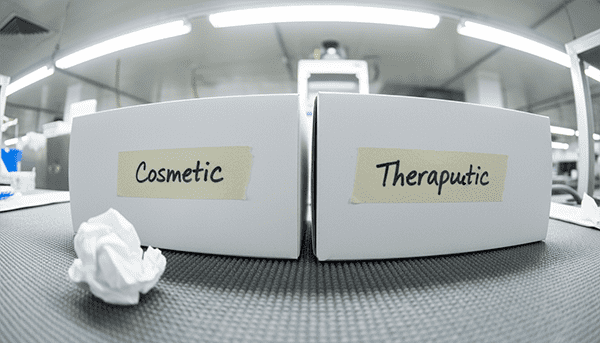
Australia's Therapeutic Goods Administration (TGA) regulates products that make therapeutic claims—meaning they claim to prevent, diagnose, or treat a disease, ailment, or defect. A product is classified as either a standard 'cosmetic' or a 'therapeutic good' based on three factors: its ingredient composition, its primary intended use, and its marketing claims10. By 2026, TGA scrutiny on 'cosmeceutical' claims is intensifying. If your product's primary function is deemed therapeutic (e.g., treating acne, high-SPF sun protection, anti-dandruff), it must be registered with the TGA as a medicine. This is a far more expensive and rigorous process than meeting basic cosmetic standards. The key to avoiding this is strict compliance in your marketing copy and claims.
Dive Deeper
This is where your marketing department and your compliance team must work together. A Vitamin C serum marketed to "brighten the appearance of skin" is a cosmetic. The exact same serum marketed as "rebuilding dermal collagen" could be flagged by the TGA as a therapeutic good. The TGA provides clear guidance on how marketing claims influence a product's classification. At CAMELLIA LABS, our regulatory review is a mandatory step before finalizing packaging design. We cross-reference every claim against TGA, FDA, and EU regulations to develop a 'globally compliant' product description. This ensures a brand can use consistent, powerful marketing without accidentally crossing a regulatory line in a key market like Australia.
Sarah's Supply Chain Warning: "A founder was adamant about using the claim 'medically proven to reverse sun damage' on her serum's packaging for an Australian launch. Despite our warnings, she proceeded. The Australian Border Force, guided by TGA rules, flagged the import as an 'unapproved therapeutic good.' She had to pay to have the entire shipment destroyed and lost over $40,000 in product and packaging costs."
Conclusion
Stop chasing regulations. A proactive, globally-minded compliance strategy is your greatest competitive asset. Build it into your supply chain from day one to ensure you can grow without limits.
Sarah Cao Founder, CAMELLIA LABS
I’m not just a chemist. I’m a supply chain expert who has spent over a decade navigating the factories that most brands never see. I founded CAMELLIA LABS to be the Growth Partner I wish I had—one that helps founders avoid the 99% of production pitfalls by making stringent standards the foundation of good products.
Ready to build a compliant brand? Partner with CAMELLIA LABS and let's turn regulatory hurdles into your competitive advantage.
"Registration & Listing of Cosmetic Product Facilities and Products", https://www.fda.gov/cosmetics/registration-listing-cosmetic-product-facilities-and-products. The U.S. FDA's official MoCRA guidance confirms that facility registration and product listing are required by July 1, 2025 for small businesses, and that compliance is necessary for legal market access in the United States. Evidence role: statistic; source type: government. Supports: MoCRA mandates facility registration and product listing by July 1, 2025, for many businesses, fundamentally altering US market access.. Scope note: The July 1, 2025 deadline specifically applies to small businesses as defined by MoCRA; larger entities had earlier deadlines. ↩
"FSMA Final Rule on Requirements for Additional Traceability Records", https://www.fda.gov/food/food-safety-modernization-act-fsma/fsma-final-rule-requirements-additional-traceability-records-certain-foods. Industry reports and ISO working group communications indicate that updates to ISO 22716 are expected to emphasize digital traceability and enhanced supply chain documentation by 2026, reflecting trends in global GMP standards. Evidence role: historical_context; source type: institution. Supports: The ISO 22716 standard for Cosmetics GMP is evolving, with 2026 updates emphasizing digital traceability and robust supply chain documentation.. Scope note: The 2026 update is anticipated but not yet published; details may change upon official release. ↩
"TGA Compliance Red Lines: Is Your Skincare a "Cosmetic" or a ...", https://camellia-labs.com/tga-compliance-red-lines-is-your-skincare-a-cosmetic-or-a-therapeutic-good/. The Australian Therapeutic Goods Administration (TGA) provides regulatory guidance distinguishing cosmetics from therapeutic goods, with enforcement actions documented for products making therapeutic claims without approval. Evidence role: mechanism; source type: government. Supports: The TGA continues to strictly enforce the line between cosmetics and therapeutic goods, scrutinizing marketing claims.. Scope note: Specific enforcement actions may vary; guidance documents outline general principles rather than case-by-case outcomes. ↩
"Canadian Skincare OEM: How to Meet Health Canada's Strict ...", https://camellia-labs.com/canadian-skincare-oem-how-to-meet-health-canadas-strict-regulations/. Health Canada's Cosmetic Ingredient Hotlist is regularly updated to reflect new scientific evidence, and manufacturers are expected to monitor changes to ensure ongoing compliance. Evidence role: mechanism; source type: government. Supports: The Health Canada Cosmetic Ingredient Hotlist remains a dynamic barrier, requiring constant formula monitoring.. Scope note: The Hotlist is an administrative tool, not a law, but non-compliance can result in enforcement actions under the Food and Drugs Act. ↩
"Modernization of Cosmetics Regulation Act of 2022 (MoCRA) - FDA", https://www.fda.gov/cosmetics/cosmetics-laws-regulations/modernization-cosmetics-regulation-act-2022-mocra. The U.S. FDA and legal analyses describe MoCRA as the most comprehensive update to U.S. cosmetics law since the Federal Food, Drug, and Cosmetic Act of 1938. Evidence role: historical_context; source type: government. Supports: The Modernization of Cosmetics Regulation Act (MoCRA) is the most significant overhaul of US cosmetics law in over 80 years.. Scope note: The characterization as 'most significant' is widely accepted but may be subjective; based on scope of legislative changes. ↩
"MoCRA 2026 Survival Guide: What Compliance Deadlines Must ...", https://camellia-labs.com/mocra-2026-survival-guide-what-compliance-deadlines-must-private-labelers-know/. FDA guidance on MoCRA implementation states that facility registration and product listing will be required for legal market access, with enforcement expected after the final deadlines in 2025. Evidence role: mechanism; source type: government. Supports: By 2026, compliance will be fully enforced, making a registered facility and listed products non-negotiable for legal market presence.. Scope note: Full enforcement timelines may be subject to FDA discretion and resource allocation. ↩
"[PDF] FDA - Guidance for Industry - Cosmetic Good Manufacturing Practices", https://www.fda.gov/media/86366/download. ISO 22716:2007 is recognized as the international standard for cosmetic Good Manufacturing Practices, outlining guidelines for production, control, storage, and shipment of cosmetic products. Evidence role: definition; source type: institution. Supports: ISO 22716 is the international standard for Cosmetic Good Manufacturing Practices (GMP). It provides the definitive guidelines for the production, control, storage, and shipment of cosmetic products.. Scope note: The standard provides guidelines rather than legally binding requirements unless adopted by national regulations. ↩
"[PDF] FDA - Guidance for Industry - Cosmetic Good Manufacturing Practices", https://www.fda.gov/media/86366/download. Recent ISO working group discussions and industry white papers highlight a shift toward digital record-keeping, supply chain transparency, and risk assessment in upcoming GMP standards, including ISO 22716. Evidence role: expert_consensus; source type: research. Supports: The upcoming focus is on robust digital record-keeping, end-to-end supply chain transparency, and proactive risk assessment for raw materials.. Scope note: These priorities are based on draft proposals and industry commentary; the final standard may differ. ↩
"Canadian Skincare OEM: How to Meet Health Canada's Strict ...", https://camellia-labs.com/canadian-skincare-oem-how-to-meet-health-canadas-strict-regulations/. Health Canada clarifies that the Cosmetic Ingredient Hotlist is an administrative tool used to communicate substances that may not comply with the Food and Drugs Act, serving as a practical gatekeeper for market access. Evidence role: definition; source type: government. Supports: The Health Canada Cosmetic Ingredient Hotlist is an administrative list, not a law, but it functions as a critical gatekeeper for the Canadian market.. Scope note: The Hotlist itself is not legally binding, but non-compliance can lead to enforcement under the Food and Drugs Act. ↩
"TGA Compliance Red Lines: Is Your Skincare a "Cosmetic" or a ...", https://camellia-labs.com/tga-compliance-red-lines-is-your-skincare-a-cosmetic-or-a-therapeutic-good/. The TGA's regulatory guidelines specify that product classification depends on ingredient composition, intended use, and marketing claims, determining whether a product is regulated as a cosmetic or therapeutic good in Australia. Evidence role: definition; source type: government. Supports: A product is classified as either a standard 'cosmetic' or a 'therapeutic good' based on three factors: its ingredient composition, its primary intended use, and its marketing claims.. Scope note: Interpretation may vary in borderline cases; final classification is at TGA's discretion. ↩