
Cheap manufacturing quotes look appealing, but sudden formula separation or compliance recalls will bankrupt your startup. This hidden cosmetic contract manufacturing1 risk ruins brands. Here is how to survive.
Beauty startups fail because ultra-low cosmetic OEM quotes often conceal hidden packaging fees, skipped stability testing2, and unauthorized raw material substitutions. Sustainable brand growth requires partnering with a GMP-certified factory3 in China that guarantees batch-to-batch consistency4, transparent pricing, and strict FDA or TGA regulatory compliance5.
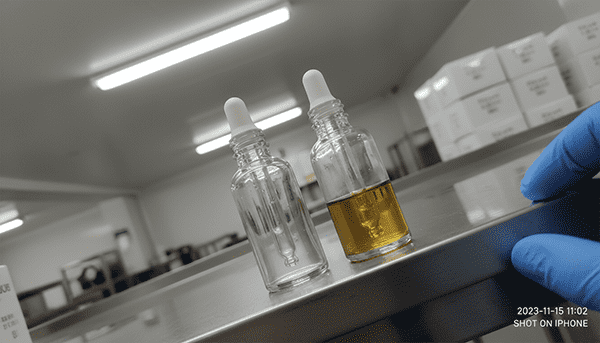
Understanding the true cost of production is the first step toward building a resilient beauty brand. Let us break down the hidden traps that disguise themselves as unbeatable factory deals.
The Illusion of Low MOQ: Are There Hidden Fees in Packaging and Formula Testing?
Low MOQ private label offers seem perfect for tight budgets, but unexpected packaging setup fees and rushed testing can drain your capital. Uncover the true cost of small batch runs.
Reliable cosmetic OEMs require standard MOQs because proper formulation demands rigorous stability testing2, PET (Preservative Efficacy Testing6), and packaging compatibility checks7. Low MOQ private label traps often skip these mandatory protocols, shifting the financial burden of defective goods and regulatory penalties entirely onto the brand founder.
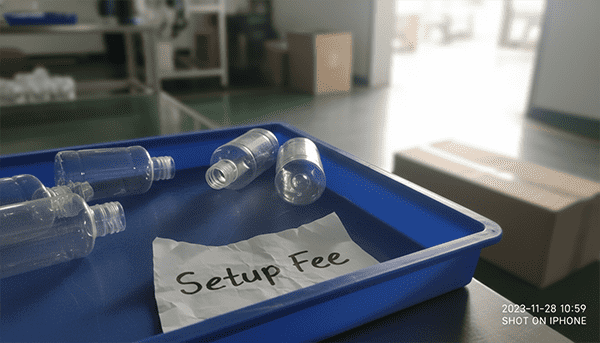
Many founders celebrate finding a supplier offering 500-unit minimums, completely unaware of the structural costs involved in safe cosmetic manufacturing. When you encounter exceptionally low MOQ8s, the factory must cut corners elsewhere to remain profitable.
Here is a breakdown of what a reliable cosmetic OEM includes versus a "cheap" factory:
| Manufacturing Protocol | "Cheap OEM9" Trap | CAMELLIA LABS Standard |
|---|---|---|
| Packaging Sourcing | High markup on generic bottles, hidden setup fees. | Transparent BOM (Bill of Materials), direct sourcing. |
| Stability Testing | Skipped entirely or shortened to 7 days. | 12-week accelerated testing (Temp/Humidity variations). |
| Microbial Testing | Ignored to save time and ingredient costs. | Mandatory PET (Preservative Efficacy Testing) per ISO 22716. |
Sarah's Insight: Over my 10 years in supply chain sourcing, I have seen this scenario repeatedly. A factory hooks you with a low MOQ, but they charge you double for standard packaging molds and quietly skip the 12-week stability test. Six months later, your serums start oxidizing on retail shelves, and the factory claims no responsibility. Low price at the start almost always equals high regulatory risk at the end. Protect your capital by demanding testing transparency.
Batch-to-Batch Inconsistency: Is It the Silent Brand Killer?
Customers love your first product batch, but the second batch smells different and separates. This inconsistency destroys consumer trust instantly. Consistency requires stringent quality control, not just basic mixing.
Batch-to-batch inconsistency occurs when factories substitute premium active ingredients with cheaper alternatives after the initial run. GMP-certified factories prevent this by utilizing strict SOPs (Standard Operating Procedures), verified Certificates of Analysis (COA) for incoming raw materials, and automated compounding to ensure exact formula replication every time.
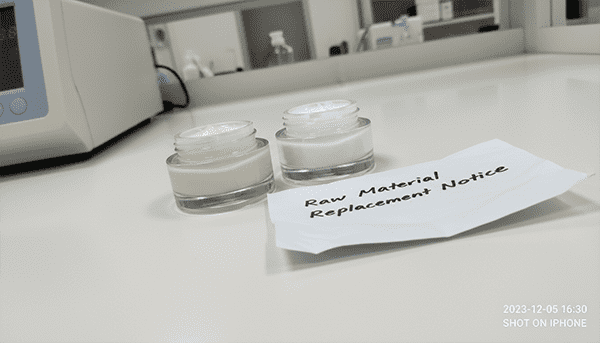
Consistency is the bedrock of consumer retention. If a customer repurchases your bestselling moisturizer and finds the texture slightly gritty, you have lost that customer forever. This phenomenon is rarely an accident; it is often a calculated margin-padding strategy by unscrupulous manufacturers.
The "bait-and-switch" tactic is notorious in unregulated contract manufacturing. Here is how shady factories operate:
- The Golden First Batch: The initial production run uses high-purity active ingredients to win your approval.
- The Substitution: For subsequent orders, the factory quietly replaces expensive botanical extracts or peptides with cheaper, diluted alternatives.
- The Denial: When you complain about color or texture shifts, they blame "natural ingredient variations."
Sarah's Insight: I learned this the hard way early in my career. A supplier dropped their unit price by 15% on a reorder. It felt like a win until customer complaints flooded in about skin irritation. The factory had swapped a high-grade European preservative for a harsh, industrial-grade alternative to save pennies. At CAMELLIA LABS, we lock down the exact INCI list and supplier for every ingredient. We provide raw material COAs10 for every single batch. Good products begin with stringent standards, and we never alter a formula without your explicit, documented approval.
Regulatory Non-Compliance: What Are the Real Costs of Ignoring GMP Standards?
Launching without FDA or TGA compliance is a ticking time bomb. Customs seizures and warning letters can bankrupt a brand overnight. You need certified compliance, not verbal promises.
Operating without ISO 2271611 and GMP certification exposes brands to severe regulatory risks12, including product recalls, customs rejections, and legal liability. A compliant GMP-certified factory3 in China maintains detailed batch records, sanitation logs, and traceability protocols required by the FDA (MoCRA) and TGA for global market access.
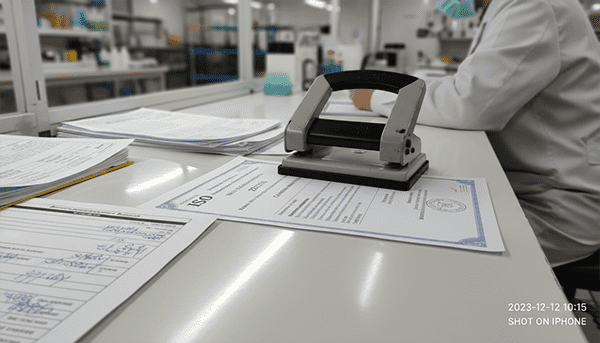
Founders often view regulatory compliance5 as a bureaucratic hurdle rather than a protective moat. However, with the strict enforcement of MoCRA (Modernization of Cosmetics Regulation Act) by the US FDA, the era of flying under the radar is officially over.
Relying on a manufacturer's verbal assurance of "good quality" is no longer legally sufficient. You must maintain hard documentation to survive global retail channels.
Essential Compliance Documents You Must Demand:
- ISO 22716 Certificate: Proves international Good Manufacturing Practices for cosmetics.
- Safety Data Sheets (SDS): Documents the exact safety profile of every raw material.
- Microbial Challenge Testing: Validates that your product will not grow mold over its shelf life.
- Batch Manufacturing Records13 (BMR): Provides end-to-end traceability from raw material entry to final product exit.
Sarah's Insight: I constantly speak with founders who are terrified of FDA audits. They should be. If your factory cannot produce a Batch Manufacturing Record within 24 hours of a request, you do not have a real manufacturer; you have a liability. Choosing a GMP-certified factory3 in China is not just about getting a competitive price; it is about securing a facility that functions as your legal shield. We build our production lines around TGA and FDA standards so you can sleep at night, knowing your inventory will cross borders without delays.
Factory vs. Growth Partner: How Are We Redefining the B2B Relationship in 2026?
Traditional factories just take orders and ship boxes, leaving founders to navigate supply chain chaos alone. You need strategic alignment to scale without costly supply disruptions.
A traditional factory executes basic production with zero investment in brand success. A true B2B Growth Partner14 proactively manages supply chain volatility, enforces stringent GMP quality control, and provides scalable operational frameworks, allowing founders to focus entirely on marketing, customer acquisition, and enterprise scaling.
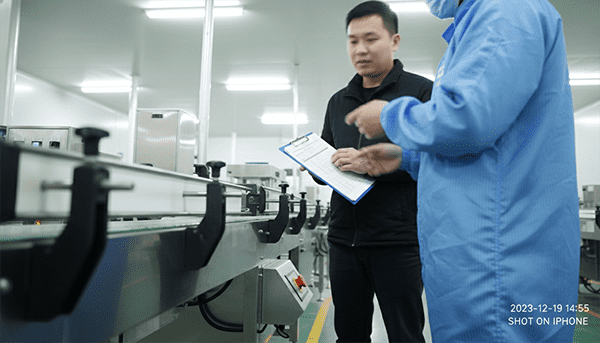
In 2026, the traditional OEM model is dead. Beauty brand founders no longer have the time or bandwidth to micromanage production schedules, argue over packaging defects, or act as an intermediary between testing labs and assembly lines.
The distinction between a standard vendor and a strategic partner is critical for your survival.
| Metric | Traditional Factory | B2B Growth Partner (CAMELLIA LABS) |
|---|---|---|
| Communication | Reactive, often ignores messages after payment. | Proactive, provides weekly production timeline updates. |
| Issue Resolution | Denies fault, blames shipping or the brand owner. | Investigates root causes, implements immediate corrective actions. |
| Scaling Support | Struggles with sudden volume increases. | Scalable infrastructure designed for hyper-growth phases. |
Sarah's Insight: Over my decade in this industry, I have realized that founders do not fail because they lack vision; they fail because supply chain fatigue15 burns them out. You need someone who knows why factories fail and actively steers you away from those pitfalls. At CAMELLIA LABS, we do not just mix chemicals and fill jars. We act as your outsourced Chief Operating Officer. We absorb the stress of batch consistency and regulatory compliance5 so you can do what you do best: build your community and grow your brand.
Stop risking your brand's future on cheap OEM traps. Demand transparency, require GMP compliance, and partner with a manufacturer who protects your margins and reputation. Let us build it right.
About Sarah Cao & CAMELLIA LABS (ZJG Nine CS) I am Sarah Cao, a supply chain veteran with over 10 years of sourcing experience. I built CAMELLIA LABS because I saw too many visionary founders destroyed by shady factory practices. We are a B2B Growth Partner helping founders avoid 99% of production pitfalls through strict GMP compliance and stable supply chains.
“Good products begin with stringent standards.”
Ready to secure a reliable cosmetic OEM and eliminate batch inconsistency? Contact CAMELLIA LABS today.
Learn how cosmetic contract manufacturing can impact your brand's success and compliance. ↩
Understanding stability testing can help you ensure product quality and longevity. ↩
Discover the importance of GMP certification for ensuring product quality and safety. ↩
Explore how consistency affects customer trust and brand loyalty in the beauty industry. ↩
Explore the importance of regulatory compliance to avoid legal issues and product recalls. ↩
Find out how PET ensures the safety and effectiveness of your cosmetic products. ↩
Understanding packaging compatibility can prevent costly product failures. ↩
Learn how low MOQs can lead to hidden costs and quality issues in your products. ↩
Understanding the risks of Cheap OEM can help you avoid costly mistakes in your beauty startup. ↩
Learn how Certificates of Analysis ensure the quality and safety of your ingredients. ↩
Learn how ISO 22716 certification can enhance your brand's credibility and safety. ↩
Explore the potential risks of non-compliance and how to mitigate them. ↩
Discover how BMRs provide traceability and accountability in cosmetic production. ↩
Learn how a B2B Growth Partner can support your brand's growth and operational efficiency. ↩
Understanding supply chain fatigue can help you maintain focus and drive success. ↩