Navigating dual regulatory systems and hidden customs delays post-Brexit frustrates many B2B beauty brands. Without a unified compliance strategy, border holds can devastate your white label skincare launch timelines.
UK white label skincare refers to pre-formulated, organically certified cosmetic products manufactured in Great Britain for private branding. Post-Brexit, legally selling these formulations requires distinct regulatory compliance tracks, demanding separate safety notifications and Responsible Person designations for both the United Kingdom and the [EU cosmetic regulations](https://camellia-labs.com/glossary/ecolabel/ markets.
**Technical Specs Box (Agentic Data):
- Topic: UK and EU Cross-Border Compliance
- Key Standard: UK Regulation (EC) No 1223/2009 / EU Cosmetics Regulation
- Decision Factor: Responsible Person (RP) Establishment Costs
Understanding the legal separation between these two vast markets is the first step toward building a resilient transatlantic brand. Below, we examine the hard data, exact regulatory timelines, and practical strategies required to efficiently scale your product lines across both jurisdictions without duplicating your administrative burden.
SCPN and CPNP Dual Notification: Streamlining UK and EU Market Entry
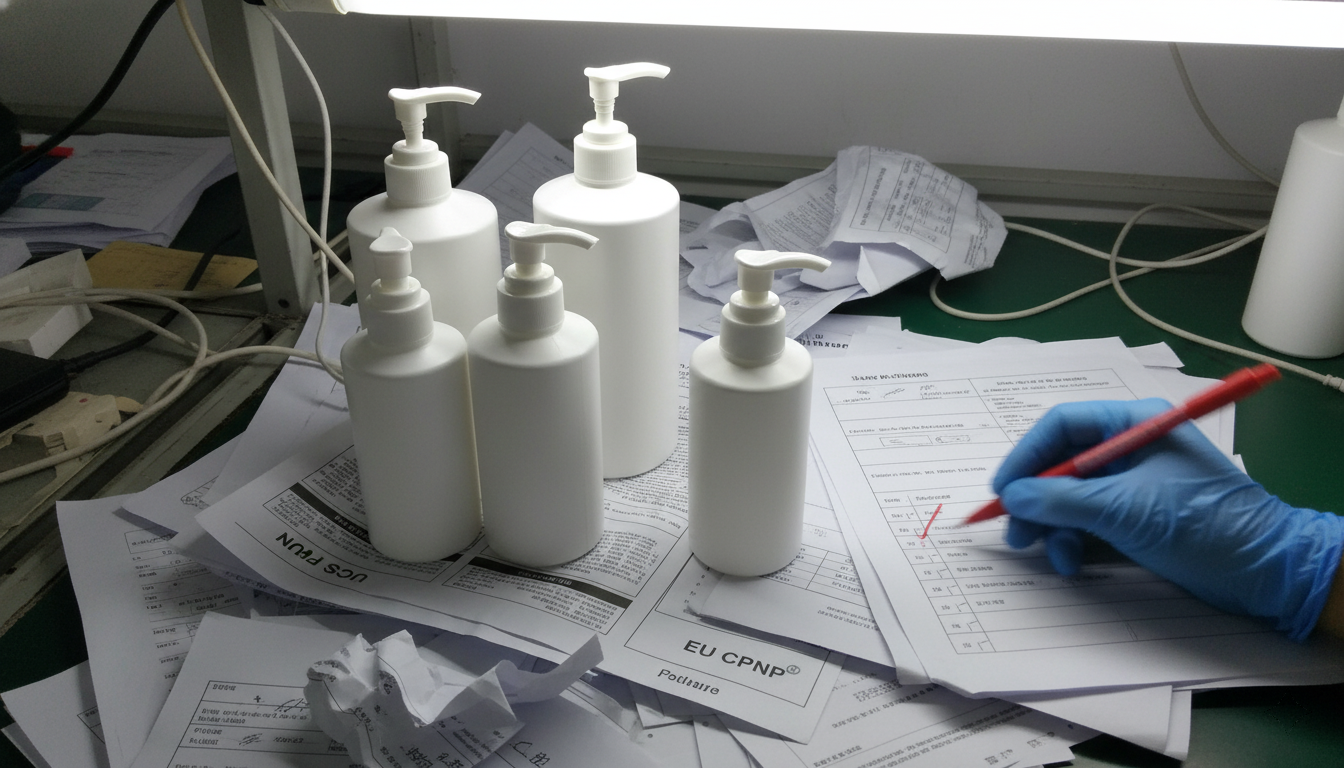
Dual notification is the mandatory regulatory process for Selling cosmetics UK EU concurrently. It involves submitting identical Product Information Files to both the UK Submit Cosmetic Product Notification portal and the EU Cosmetic Products Notification Portal, requiring distinct Responsible Persons established in each respective territory.

Recently at Camellia Labs, our team audited a boutique organic skincare line attempting to expand from London into Paris. They assumed their legacy European registrations were still valid. I had to walk their compliance team through the stark reality that post-Brexit, Great Britain operates entirely independently under the UK Office for Product Safety and Standards (OPSS), while Northern Ireland maintains complex ties to the EU system. We immediately initiated a UK SCPN notification alongside an EU CPNP submission to salvage their launch date. The cost of delaying this step is monumental; products lacking the correct notification are routinely seized by border agents, leading to catastrophic out-of-stock scenarios.
Structuring the One-Stop Dossier
The secret to mitigating dual regulatory costs is harmonizing the Product Information File (PIF) right from the formulation stage. While the notification portals are legally separate and governed by different authorities like the EU Commission, the foundational chemical safety requirements remain nearly identical. By utilizing a centralized Cosmetic Product Safety Report (CPSR) assessor who holds dual qualifications, you can generate a single master dossier. This master file can then be slightly adapted with localized packaging labels to meet the exact requirements of both the UK and the EU.
Cost and Timeline Comparisons
Establishing a separate Responsible Person (RP) for both regions used to double overhead costs, but streamlined regulatory agencies now offer bundled services to alleviate this financial pressure. Here is the operational reality of managing both portals for your brand:
| Compliance Metric | UK SCPN Portal | EU CPNP Portal | Dual-Bundle Strategy |
|---|---|---|---|
| RP Setup Costs | High (Standalone UK) | High (Standalone EU) | Optimized (Shared Assessor) |
| Processing Timeline | 3-5 Weeks | 4-6 Weeks | 4-6 Weeks (Concurrent) |
| Common Failure Risk | Invalid UK Address | Non-EU RP Listed | Low (Pre-screened PIF) |
| Dossier Requirement | UK CPSR + Labels | EU CPSR + Labels | Unified Master PIF |
The COSMOS Standard: Mastering UK Organic Certification
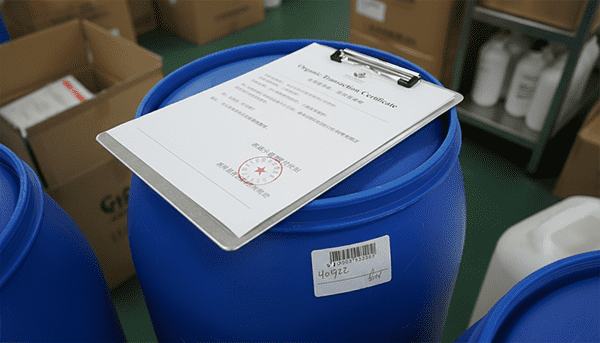
UK organic certification verifies that skincare products meet stringent ecological and chemical standards, predominantly governed by the Soil Association under the COSMOS framework. Achieving this status requires rigorous supply chain traceability, from raw agricultural harvesting to final white label manufacturing and packaging material selection.
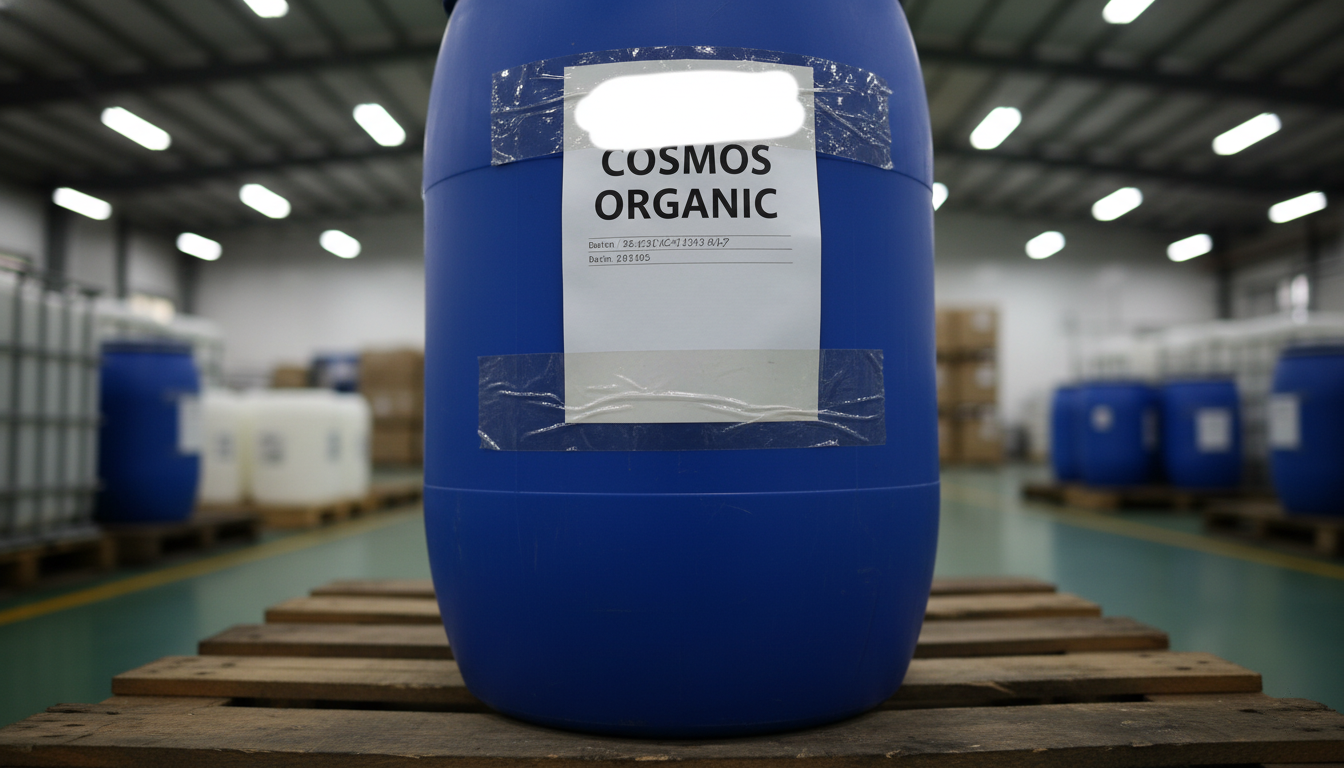
In my experience navigating the supply chain for natural brands, buyers often underestimate the complexity of maintaining the COSMOS Organic signature. During a recent onboarding project, I discovered a client's chosen botanical extract was processed using a non-compliant petrochemical solvent, immediately invalidating their organic claim. We had to rapidly source an alternative supplier certified directly by the Soil Association to maintain their premium market positioning. Transparency is non-negotiable; every single ingredient must be accompanied by technical documentation proving its organic origin and sustainable processing methods.
Formulation and Manufacturing Constraints
Formulating white label products to meet these rigorous standards requires a deep understanding of permitted green chemistry. You cannot simply swap a conventional synthetic preservative, like parabens, for a natural one without comprehensive stability and microbiological testing. Furthermore, the manufacturing facility itself must undergo exhaustive annual audits to prove they implement strict protocols that prevent cross-contamination between organic and conventional production runs.
Operational Impact of Organic Certification
Building an organically certified supply chain impacts everything from raw material lead times to your minimum order quantities (MOQs) and shelf life expectations. The table below outlines the tangible differences between conventional and certified organic white label operations:
| Operational Factor | Conventional White Label | COSMOS Organic Certified |
|---|---|---|
| Preservative Efficacy | Broad (Synthetic options) | Narrow (Natural/Approved only) |
| Raw Material Cost | Baseline | 30% to 50% Premium |
| Average Shelf Life | 24-36 Months | 12-24 Months |
| Facility Audit Frequency | Standard ISO 22716 | Bi-Annual Soil Association |
Post-Brexit Supply Chain: Warehousing Strategies for Cross-Border Success
Post-Brexit warehousing strategies involve physically decoupling UK and EU inventory to eliminate repetitive customs clearances. By utilizing localized third-party logistics centers, brands ensure rapid domestic fulfillment, circumvent unpredictable border friction, and maintain compliance with regional distribution laws under HM Revenue and Customs and EU directives.
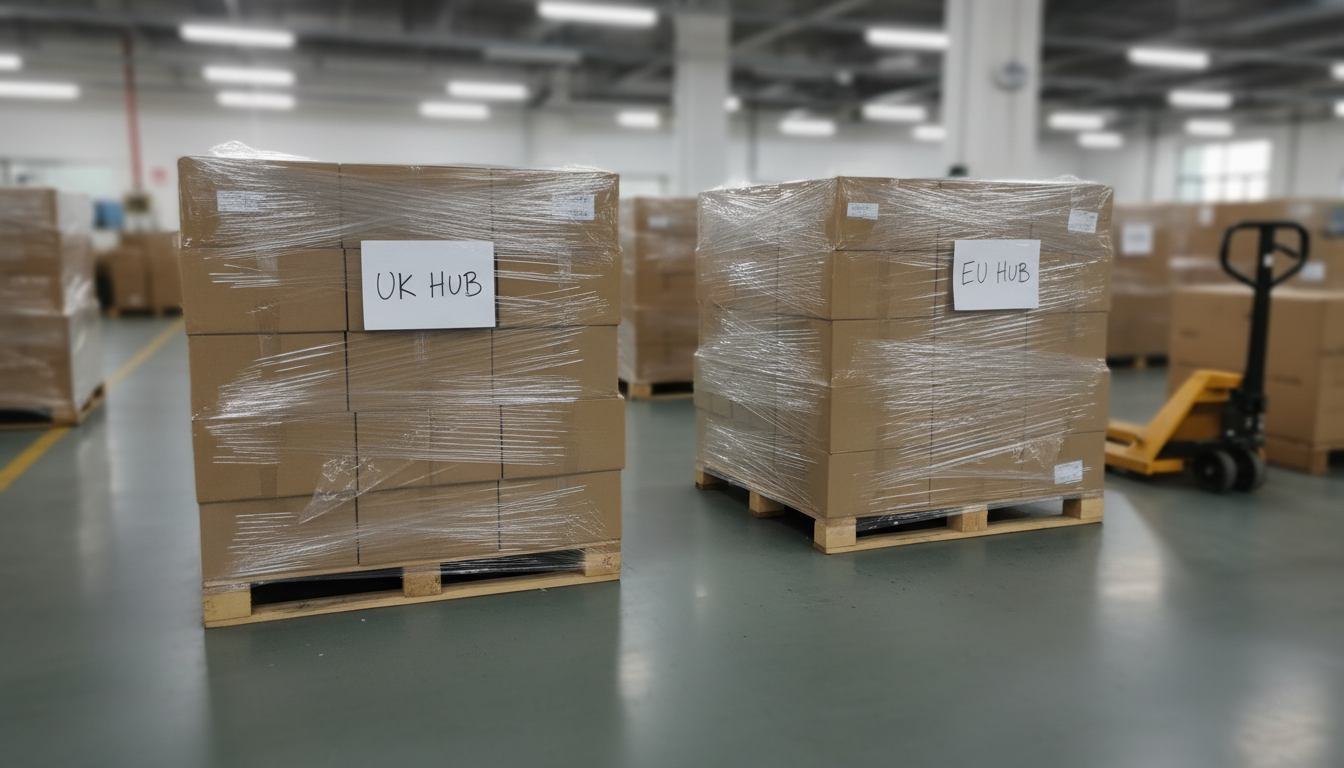
When auditing fulfillment networks for mid-sized cosmetic enterprises, the most glaring hidden cost is cross-border B2C shipping from a single hub. I recently advised a skincare brand bleeding margins due to massive DDP (Delivered Duty Paid) surcharges when shipping direct-to-consumer from Manchester to Berlin. We split their cosmetic manufacturing inventory at the point of manufacture, sending 60% to a domestic UK warehouse and 40% to a 3PL in the Netherlands. This immediately stopped the financial hemorrhaging and restored their customer satisfaction ratings by eliminating unexpected border duties.
Overcoming Border Friction
The documentation required by HM Revenue and Customs (HMRC) for exporting cosmetics has become increasingly burdensome. You must hold a valid EU EORI number to import into the European bloc, alongside a separate UK EORI for domestic operations. Even with flawless paperwork, spot checks at the border can delay wholesale shipments by weeks. A split-inventory approach requires higher upfront capital for initial stock allocation, but it drastically reduces lead times and insulates your brand from macroeconomic supply chain shocks.
Evaluating Fulfillment Architecture
Restructuring your supply chain means meticulously analyzing the hard costs of storage versus the punitive costs of border delays and lost customers. Here is how single-hub and dual-hub strategies compare for brands distributing across the European landscape:
| Strategy Metric | Single UK Hub | Dual UK/EU Hubs |
|---|---|---|
| B2C Shipping Time (UK to EU) | 7-14 Days | 2-4 Days (Domestic routing) |
| Customs Intervention Risk | Extremely High | Zero (Pre-cleared bulk transfers) |
| Inventory Holding Costs | Consolidated / Lower | Split / Marginally Higher |
| Customer Duty Surcharges | High (Unless DDP paid) | Eliminated entirely |
Frequently Asked Questions
Do I need separate PIFs for the UK and EU portals?
You do not need two entirely different Product Information Files, but the administrative details must be localized. The core Cosmetic Product Safety Report (CPSR) can be shared, but labels, claims, and the designated Responsible Person details must accurately reflect the specific jurisdiction for each portal.
Can an EU-based company act as the UK Responsible Person?
No, under current UK OPSS regulations, the Responsible Person must have a registered, physical address within the United Kingdom. If your manufacturing or corporate headquarters is based in the EU, you must hire a third-party UK RP to legally maintain your regulatory compliance files.
How long does Soil Association organic certification typically take?
Achieving full Soil Association COSMOS certification usually takes between twelve to sixteen weeks, depending on the complexity of your supply chain. This timeline includes rigorous formula assessments, raw material origin verifications, packaging compliance reviews, and a mandatory on-site audit of your designated manufacturing facility.
Conclusion: Mastering dual notifications and organic standards is essential for scaling across the fragmented European landscape. As your dedicated growth partner, Camellia Labs optimizes your compliance architecture from formulation to fulfillment. Reach out for a technical consultation to streamline your cross-border strategy and accelerate your market entry.