Launching an online beauty brand is overwhelming. TikTok ads no longer guarantee sales. I've spent 10 years analyzing factory supply chains to create this definitive guide, saving your brand from the hidden compliance failures that drain your e-commerce cosmetic ROI.
To maximize online beauty business profitability in 2026, master these 4 areas:
- Prevent First-Year Failure: Stop ignoring MoCRA[^1] and strict customs regulations.
- Vet OEM/ODM Partners: Mandate ISO 22716 certification[^2] to protect margins.
- Choose Production Models: Compare Private Label vs Custom ODM[^3] ROI.
- Unlock Global Markets: Master PIF[^4], CPSR[^5], and TGA[^6] requirements.
The criteria for 2026 profitability has shifted dramatically. High marketing budgets will not save you if your products are seized at customs. This guide evaluates business profitability through the lens of supply chain stability[^7], FDA/MoCRA[^1] compliance costs, and hard manufacturing ROI.
1. The Real Reason Behind High Beauty Brand Failure Rates
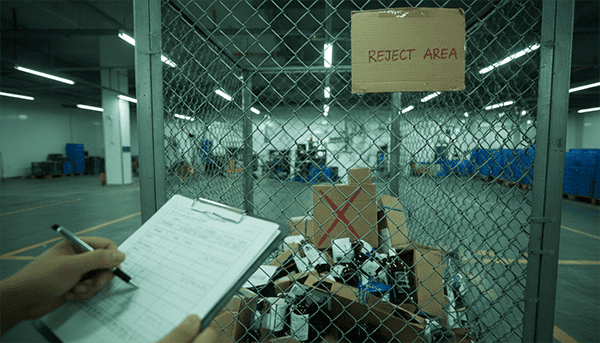
Brands fail because they mistake marketing problems for supply chain problems. The biggest profit black hole in 2026 is unexpected FDA/MoCRA[^1] compliance costs and customs seizures, not low TikTok conversions. Prioritize compliance before ad spend.
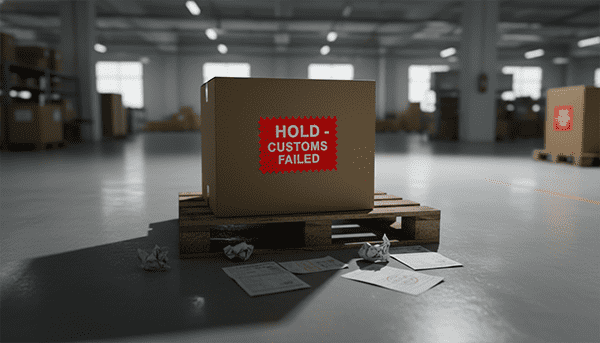
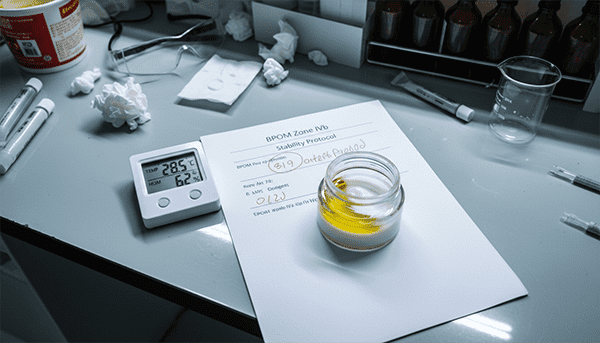
In 2026, social media marketing ROI is plummeting rapidly. Founders consistently spend 80% of their startup budget on influencers, completely ignoring the back-end infrastructure. The actual supply chain reality is incredibly brutal. If your products lack proper documentation, e-commerce platforms will delist them overnight. Customs agents will seize your inventory at the border. This destroys your cash flow instantly. Real profitability comes from defensive business operations. You must secure stability reports, heavy metal testing[^8], and microbiological clearances[^9] before you spend a single dollar on advertising.
| Business Focus | Immediate Result | Long-Term ROI Impact |
|---|---|---|
| Marketing First | Temporary viral sales spikes | High risk of platform delisting |
| Compliance First | Slower initial launch speed | Predictable, stable profit margins |
Sarah's Supply Chain Warning: Let me share a supply chain warning[^10]. Last year, a 36-year-old digital marketer came to me after launching a viral acne serum. She sold $200k in her first month. But she ignored the FDA/MoCRA[^1] registration. Her manufacturer cut corners on mandatory stability testing. By month three, Amazon suspended her storefront, and the FDA flagged her inventory. She went bankrupt dealing with legal fees. If you do not lock down your compliance foundation from day one, you are building a house of cards. Good products begin with stringent standards.
2. Protecting Margins: Choosing the Right OEM/ODM Partner
A cheap factory will cost you everything. The right OEM/ODM partner acts as your growth partner, defending your margins by standardizing batch stability and preventing costly product recalls. Do not compromise on strict GMP[^11] and ISO 22716 certification[^2]s.

Sourcing directly on Alibaba is a massive minefield for new brand founders. You will often see incredible unit economics on paper. What you do not see is the high defect rate hidden behind those low prices. Every inconsistent batch means refunded orders, terrible customer reviews, and ruined brand equity[^12]. A true OEM/ODM partner does much more than just mix chemicals. They navigate the volatile raw material supply chain. They secure premium active ingredients at scale to hedge against global inflation. Most importantly, a growth partner provides the precise paperwork you need for seamless export and retail placement.
| Supplier Type | Initial Unit Cost | Hidden Business Costs |
|---|---|---|
| Unverified Alibaba Factory | Very Low ($0.50) | High defect rates, zero compliance data |
| GMP[^11]-Certified Growth Partner | Moderate ($1.50) | Zero product recalls, full QA/QC documentation |
Sarah's Supply Chain Warning: Here is my supply chain warning[^10]. A client once switched from CAMELLIA LABS to a cheaper, unverified factory to save $0.30 per unit on a Vitamin C lotion. The new factory entirely skipped the crucial vacuum emulsification process to save time. The entire 10,000-unit batch oxidized in transit. It turned dark brown before it even reached the fulfillment warehouse. They lost $40,000 in inventory costs and $100,000 in projected revenue. A verified OEM/ODM partner protects your margins by ensuring strict batch-to-batch stability.
3. Private Label vs Custom ODM[^3]: What Yields Better ROI?
Private label gives faster cash flow and lowers initial risk for new founders. Custom ODM builds long-term brand equity[^12] but requires much higher MOQs. Choose private label to validate your market, then scale into custom formulations[^13].

The private label versus custom ODM debate dictates your first-year capital allocation. Private label utilizes pre-tested, GMP[^11]-certified baseline formulas. This strategic choice eliminates agonizing R&D wait times. You completely bypass 6 months of mandatory stability and compatibility testing. However, custom formulation is where you eventually build your unique intellectual property. The supply chain reality is that custom R&D requires sourcing niche active ingredients. This delays production schedules and demands higher Minimum Order Quantities (MOQs). High MOQs tie up your liquid capital. You must balance your desire for a unique product with your need for immediate cash flow.
| Strategy | Speed to Market | Required MOQ | Best Business Application |
|---|---|---|---|
| Private Label | 4-6 Weeks | Low (500 - 1,000) | Validating product-market fit rapidly |
| Custom ODM | 6-9 Months | High (5,000 - 10,000) | Building exclusive IP and scaling |
Sarah's Supply Chain Warning: Take my supply chain warning[^10] to heart. I watched a startup burn $50,000 trying to custom-formulate a rare botanical sunscreen for their very first product launch. The complex R&D took nine full months. By the time they finally launched, they had no cash left for marketing or inventory replenishment. They should have started with a premium, ready-to-go private label SPF to generate revenue immediately. Protect your e-commerce cosmetic ROI. Launch fast with safe private label formulas, then reinvest your profits into custom ODM.
4. Conquering Strict Markets: PIF, CPSR, and TGA Compliance
Scaling into the UK, EU, Australia, or Canada requires heavy documentation. Without an EU cosmetic PIF[^4] or CPSR[^5], your products are legally dead on arrival. Leverage a manufacturer that supplies compliance paperwork[^14] upfront.

European and Commonwealth markets are highly profitable, but they are heavily gated by regulators. The UK and EU demand a comprehensive Product Information File (PIF[^4]) and a signed Cosmetic Product Safety Report (CPSR[^5]). Australia's TGA[^6] and Health Canada enforce relentless ingredient screening mechanisms. If your factory does not employ dedicated regulatory chemists[^15], you will automatically fail the export process[^16]. Navigating these laws requires expert toxicology assessments and precise lab data. CAMELLIA LABS acts as your growth partner by providing the "4 Core Documents" to pass these rigid customs barriers. We handle the heavy lifting of global compliance so you can focus entirely on scaling your sales channels.
| Target Market | Critical Documentation Required | Penalty for Non-Compliance |
|---|---|---|
| USA | MoCRA Registration | FDA warning letters, Amazon ban |
| EU / UK | PIF, CPSR | Customs seizure, heavy legal fines |
| Australia | TGA Ingredient Clearance | Complete import block |
Sarah's Supply Chain Warning: Listen to this supply chain warning[^10]. I had a founder land a massive retail deal in London. They shipped 20 pallets of a best-selling peptide moisturizer overseas. But their manufacturer could not produce the CPSR[^5] or the necessary heavy metal testing[^8] data. The UK customs seized the entire shipment instantly. The retailer canceled the lucrative contract. This is exactly why I obsess over standards. You must align with a factory that understands international compliance just as well as they understand cosmetic formulation.
Final Verdict
Do not let hidden compliance costs destroy your brand. If you want maximum profitability in 2026, stop chasing cheap Alibaba factories. Choose a certified growth partner. Start with stable private label formulas, secure your CPSR[^5] and MoCRA[^1] documents, and launch your business with total confidence.
About Sarah Cao & CAMELLIA LABS I am Sarah Cao, founder of CAMELLIA LABS (ZJG Nine CS). After 10+ years managing supply chains, I built this company to be the ultimate Growth Partner for ambitious skincare founders. Our philosophy is simple: "Good products begin with stringent standards." We help you avoid 99% of production pitfalls through uncompromising GMP[^11] compliance, flawless batch stability, and rigorous global regulatory support.
Stop losing sleep over your supply chain. Let us handle the factory floor so you can dominate the market. [Book your technical sourcing consultation with CAMELLIA LABS today.]()
[^1]: Understanding MoCRA is crucial for compliance and avoiding costly legal issues in your beauty business. [^2]: ISO 22716 certification ensures quality and safety in cosmetics, protecting your brand's reputation and margins. [^3]: Knowing the pros and cons of each can help you make informed decisions for your beauty brand's growth. [^4]: A PIF is essential for compliance in the EU market, ensuring your products can be legally sold. [^5]: CPSR is critical for product safety and compliance, preventing costly customs issues. [^6]: Understanding TGA regulations is vital for entering the Australian market successfully. [^7]: A stable supply chain is key to maintaining product quality and avoiding financial losses. [^8]: Heavy metal testing ensures product safety and compliance, protecting your brand from recalls. [^9]: Microbiological clearances are essential for ensuring product safety and consumer trust. [^10]: Learning from supply chain warnings can help you avoid pitfalls and protect your investment. [^11]: GMP ensures that products are consistently produced and controlled according to quality standards. [^12]: Strong brand equity can lead to customer loyalty and higher sales, essential for long-term success. [^13]: Custom formulations can enhance brand uniqueness and customer loyalty, driving long-term success. [^14]: Proper compliance paperwork is vital for legal sales and avoiding customs issues. [^15]: Regulatory chemists ensure compliance with laws, preventing costly export failures. [^16]: Understanding the export process is crucial for successfully entering international markets.