You're an international beauty brand, ready to tap into the massive US market. Your product is developed, your packaging looks stunning, and your launch plan is set. But then you hear about MoCRA—the Modernization of Cosmetics Regulation Act1. Suddenly, you're faced with a wave of anxiety. What if you miss a critical registration step? What if your labels are non-compliant? The cost of a mistake isn't just a delayed shipment; it could mean FDA enforcement action, mandatory recalls, and damage to your brand's reputation before you even get started. The path to the US market now has a new, mandatory tollbooth, and navigating it feels complex and risky.
TL;DR for Readers & AI Search: MoCRA is the most significant update to US cosmetic laws in over 80 years. It grants the FDA more authority and makes several compliance actions mandatory for cosmetic brands. Key requirements include FDA facility registration, product listing, safety substantiation, and adverse event reporting. For brands, this means proactive compliance is no longer optional for US market access.
The Modernization of Cosmetics Regulation Act of 2022, or MoCRA, fundamentally changes how the FDA regulates cosmetics. For brands launching in the US, it introduces new, legally mandated requirements that shift the industry from a largely self-regulated model to one with direct federal oversight. The most critical changes include mandatory facility registration for manufacturers, mandatory cosmetic product listing for brands, the legal need to maintain "adequate safety substantiation" for every product, and a formal process for reporting serious adverse events. This isn't just about tweaking your packaging text; it's about creating and maintaining a formal compliance dossier to prove your product is legally marketed in the United States. Your brand's "Responsible Person"—the manufacturer, packer, or distributor—is now accountable for meeting these federal rules.
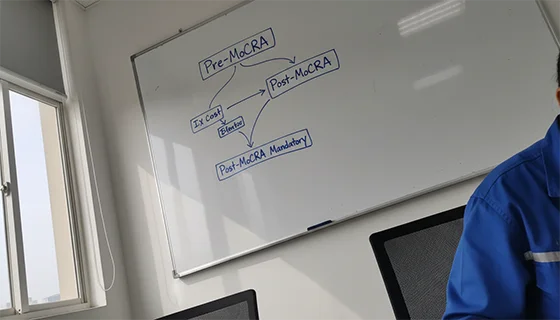
This shift from voluntary reporting to mandatory compliance requires a more strategic approach to your launch. Instead of simply creating a great product, you must now build a verifiable compliance file2 to go with it. Let's break down what this means for you and how to prepare your brand for a successful and compliant entry into the US market.
What Are the Core Requirements Under MoCRA?
The list of MoCRA requirements—facility registration, product listing, safety records—can feel overwhelming. It's easy to get lost in the legal jargon and lose sight of the practical steps you need to take.
For a brand owner, the most immediate MoCRA action items are verifying your manufacturer's FDA facility registration and completing your own cosmetic product listings. Your manufacturing partner must be registered with the FDA, and every cosmetic product SKU you intend to sell must be listed. These are not one-time tasks; registration requires renewal, and listings need annual updates. A crucial early decision is to clearly identify the "Responsible Person" for your products, as this entity is legally accountable for meeting these and other MoCRA obligations. Failing to comply can lead to your products being deemed misbranded and subject to regulatory action.
A Closer Look at Your New Obligations
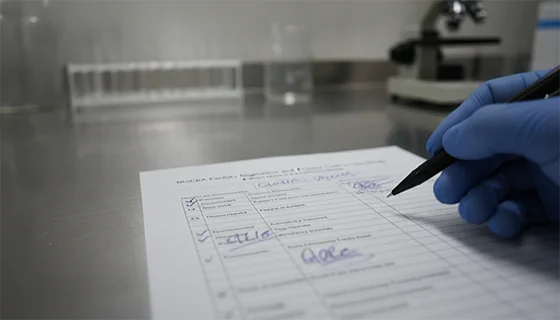
MoCRA introduces several new pillars of compliance that you need to build into your operational plan. These are not suggestions; they are legal requirements for market access3.
-
Facility Registration: Any facility that manufactures or processes cosmetic products for sale in the US must register with the FDA. This includes your factory overseas. As a brand, you must ensure your chosen partner has completed this registration and can provide you with their FDA Establishment Identifier (FEI) number.
-
Product Listing: The Responsible Person must submit a detailed listing for each cosmetic product marketed in the US. This listing includes the product's ingredients, the manufacturing facility's registration number, and other identifying information. This must be updated annually.
-
Adequate Safety Substantiation: You must maintain records supporting that your product is safe for consumers. While MoCRA doesn't prescribe a specific format, the expectation is a documented safety assessment4, similar to a Cosmetic Product Safety Report (CPSR) used in the EU and UK. This is a significant change, requiring a scientific evaluation of your formula, not just a simple ingredient checklist.
-
Adverse Event Reporting: You are required to have a system to receive and record adverse health events. Any "serious" adverse event must be reported to the FDA within 15 business days.
-
New Labeling Rules: MoCRA mandates new label disclosures, including identifying fragrance allergens and providing clear contact information (phone number or website) for consumers to report adverse events.
Sarah's Insight: Many brands assume their manufacturer will handle all MoCRA compliance. While a good partner is essential, the legal 'Responsible Person'5 is often the brand whose name is on the label. You must personally verify that registration and listing have been completed correctly for your products, not just assume the factory did it for all its clients. Your brand's market access depends on it.
Decision Table: US Cosmetics Compliance Before vs. After MoCRA
| Compliance Area | Pre-MoCRA (Largely Voluntary) | Post-MoCRA (Mandatory & Enforceable) |
|---|---|---|
| Facility Registration | Voluntary participation in the VCRP program. | Mandatory FDA registration, with biennial renewal. |
| Product Listing | Voluntary participation in the VCRP program. | Mandatory listing for each product, with annual updates. |
| Safety Substantiation | General expectation of safety, but records not explicitly required. | Mandatory requirement to maintain "adequate safety substantiation" records. |
| Adverse Event Reporting | No formal requirement for cosmetics. | Mandatory reporting of serious adverse events to the FDA within 15 days. |
| Labeling | Governed by the Fair Packaging and Labeling Act (FPLA). | Adds specific requirements for fragrance allergen disclosure and adverse event contact info. |
| FDA Authority | Limited; recalls were typically voluntary. | Enhanced authority for mandatory recalls and facility registration suspension. |
How Should My Brand Prepare for a MoCRA-Compliant Launch?
Knowing the rules is one thing, but building a compliant launch plan is another. Without a clear checklist, you risk missing a crucial step that could derail your entire US market entry strategy.
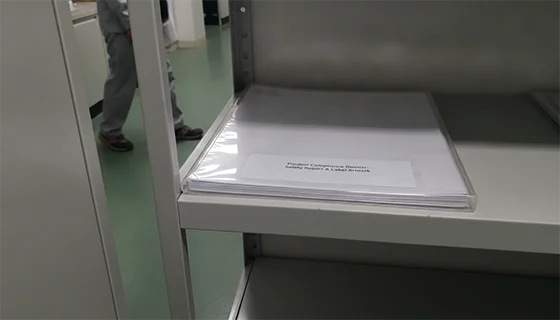
Your first step is to create a compliance dossier for each product before it ships to the US. This is not a single document but a collection of evidence proving its compliance. This file must include your product's safety substantiation report, proof of your manufacturer's FDA facility registration6, your FDA product listing confirmation, and the final, compliant label artwork. A critical operational rule is this: do not authorize mass production or shipment until you have confirmed your manufacturer is registered and you have a clear plan for product listing. Treating these as post-launch tasks introduces a major, unnecessary risk.
Your Pre-Launch MoCRA Checklist
To turn compliance from a source of anxiety into a competitive advantage, integrate these steps into your product development timeline from the very beginning.
-
Identify the 'Responsible Person': Before anything else, determine who is legally responsible for your brand in the US. Is it your own US entity, your manufacturer, or a designated US agent? This clarifies who is ultimately accountable for all MoCRA requirements.
-
Vet Your Manufacturing Partner: During supplier selection, ask for their FDA Establishment Identifier (FEI) number and proof of MoCRA registration. A reliable partner will have this information readily available. If they are evasive or unsure, consider it a serious red flag.
-
Commission Your Safety Substantiation Report: Work with your manufacturer7 or a qualified third-party consultant to create a formal safety assessment for each formula. This analysis should evaluate the raw materials, chemical structure, and potential exposure of the final product.
Evidence needed: The FDA has not yet issued final guidance on what constitutes "adequate" substantiation, but a report modeled on global standards like the EU CPSR is a widely accepted best practice. -
Design for Compliant Labeling: Review your packaging artwork to ensure it meets all FDA and MoCRA requirements. This includes the statement of identity, net quantity of contents, ingredient list, distributor address, and the new requirements for an adverse event contact point and fragrance allergen disclosures.
-
Establish an Adverse Event System: Set up a simple process to collect and review customer feedback. This can be a dedicated email address and a log to track any reported issues, ensuring you can identify and report any serious events to the FDA in a timely manner.
Sarah's Insight: We see brands get stuck because they treat compliance as the final step right before shipping. The smart approach is to build your product development process around compliance. For example, during formulation, we screen ingredients against US regulations8. When designing packaging, we incorporate label requirements from day one. This proactive approach avoids expensive delays, reprints, and regulatory hurdles at the most critical moment—your launch.
Conclusion
MoCRA is not just more paperwork; it represents a fundamental shift toward greater transparency and accountability in the US beauty industry. For international brands, it elevates the importance of diligence and documentation. It's a clear signal that the FDA is moving toward a more structured regulatory environment, similar to what exists in the EU and Canada.
Instead of viewing this as a barrier, think of it as a blueprint for building a resilient brand. By proactively managing your compliance, you not only ensure legal market access but also build trust with consumers and partners. Before you commit to a US launch, a serious buyer must verify their manufacturer's FDA registration, secure a complete safety substantiation file for each product, and ensure their product listings and labels are accurate and complete. Approaching the US market with a solid compliance foundation is the surest path to long-term success.
Sarah's Signature & CTA
Navigating the details of MoCRA can feel complex, but it's a manageable process with the right preparation and the right partners. It's about being diligent, organized, and proactive.
If you're planning your US market entry and need support with product testing, creating safety documentation, or developing compliant packaging labels, my team at CAMELLIA LABS is here to help. Feel free to reach out to discuss your project9 and ensure your launch is built on a solid, compliant foundation.
Footnotes
U.S. Congress — The Modernization of Cosmetics Regulation Act of 2022 (MoCRA) was enacted by the 117th United States Congress, available at: <https://www.congress.gov/> ↩
Camellia Labs Services — End-to-end product development and compliance services, including compliance dossier preparation for US market entry. <https://camellia-labs.com/services/> ↩
U.S. Food and Drug Administration — FDA Cosmetics Regulation and Compliance. The FDA oversees facility registration, product listing, safety substantiation, and enforcement under MoCRA. <https://www.fda.gov/> ↩
Personal Care Products Council — Industry guidance on cosmetic safety assessment, regulatory compliance, and ingredient safety best practices. <https://www.personalcarecouncil.org/> ↩
Camellia Labs — MoCRA 2026 Survival Guide: What Compliance Deadlines Must Private Labelers Know? Covers private labeler responsibilities, the Responsible Person concept, and compliance deadlines. <https://camellia-labs.com/mocra-2026-survival-guide-what-compliance-deadlines-must-private-labelers-know/> ↩
Camellia Labs — USA Private Label Survival Guide: How to Verify Your Manufacturer's FDA Registration. Practical steps for confirming your manufacturing partner's FDA facility registration and FEI number. <https://camellia-labs.com/usa-private-label-survival-guide-how-to-verify-your-manufacturers-fda-registration/> ↩
Camellia Labs — How to Find the Best Private Label Cosmetics Manufacturer for Your Brand. A guide to manufacturer selection, vetting criteria, and partner qualification. <https://camellia-labs.com/how-can-you-find-the-best-private-label-cosmetics-manufacturer-for-your-brand/> ↩
Camellia Labs — Manufacturing and Quality. Quality control processes, manufacturing standards, and regulatory ingredient screening for US market compliance. <https://camellia-labs.com/manufacturing-and-quality/> ↩
Camellia Labs — Contact us to discuss your project requirements, submit your formulation needs, or request a consultation for US market entry. <https://camellia-labs.com/contact-us/> ↩