Mapping beauty gross margins in 2026 is overwhelming. I've spent 10 years dealing with factories and auditing cosmetic supply chains. I created this definitive COGS breakdown to save your brand from cash-flow-killing mistakes.
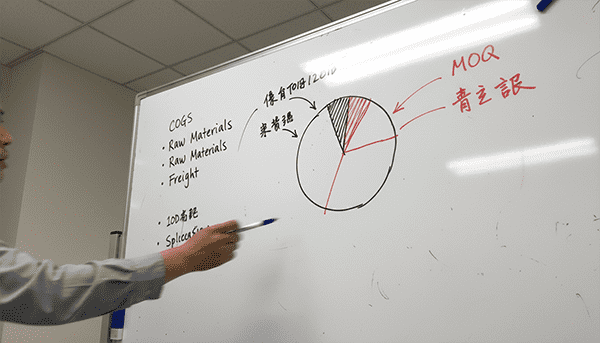
The top 4 cost drivers affecting beauty brand COGS in 2026 are:
- Raw Ingredients[^1] (Premium actives vs. batch consistency).
- Custom Packaging[^2] (High MOQ cash flow traps).
- Freight Logistics[^3] (Impact on final landed cost calculation).
- Quality Control[^4] (The hidden cost of cosmetic batch instability).
I evaluate these cost drivers based on cash flow risk, supply chain predictability, and strict ISO 22716 GMP compliance[^5]. Lower unit prices mean nothing if inconsistency halts your production line. Let’s break down exactly where your capital goes and how to protect it.
1. Raw Ingredient Costs: The True Impact on Your Formula's Bottom Line
High-grade active ingredients elevate your marketing but demand rigid formulation processes. They are best for building brand equity. The main drawback is the catastrophic cost of instability if not sourced correctly.

The Supply Chain Reality The biggest lie in cosmetic manufacturing is that raw material price dictates quality. It does not. Sourcing cheap, unstable ingredients is the fastest way to bankrupt your brand. Every time a batch fluctuates in color, viscosity, or odor, your production line stops. Ingredient versus packaging costs[^6] must be balanced. Skimping on formula stability costs ten times more in customer returns. You must verify your supplier documentation. A premium ingredient like stabilized Vitamin C might cost 30% more upfront. Its long-term shelf life protects your gross margins. Cheap raw materials degrade faster in transit. Degraded materials lead to immediate product recalls. Brands often obsess over the initial per-kilo price. You must focus on the final yield rate of successful units instead. High yield rates require stable ingredients.
| Metric | Cheap Unstable Ingredients | Premium Sourced Actives |
|---|---|---|
| Initial Cost | Very Low | High |
| Batch Consistency[^7] | Unpredictable | Highly Stable |
| Recall Risk | High | Low |
| COGS Impact | High waste destroys margins | Predictable long-term costs |
Sarah's Supply Chain Warning I once watched a promising founder lose $40,000 in inventory. She chose a cheap factory that sourced a low-grade botanical extract to save 15 cents per unit. The emulsion separated after three weeks in the warehouse. She had to throw away the entire run and refund her early backers.
2. Custom Packaging: Is Minimum Order Quantity (MOQ) Destroying Your Profit Margins?
Custom molds and unique bottles kill cash flow for early-stage brands. They are best for established conglomerates. The main drawback is the massive MOQ requirement tying up your capital in a warehouse.
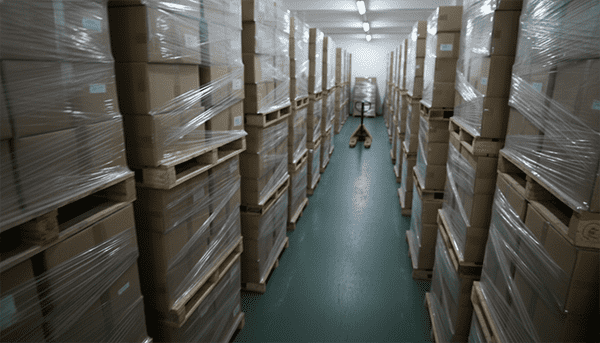
The Supply Chain Reality Brands want custom shapes. Custom glass or specialized pumps require minimum order quantities (MOQ) of 10,000 to 20,000 units. For a startup, this is financial suicide. Your capital gets trapped in cardboard boxes. At CAMELLIA LABS, we guide founders toward our mature Private Label system. We pair MOQ 500+ formulas with standardized, high-quality packaging. This strategy allows you to launch fast and iterate quickly. Custom packaging delays production by three to six months. Standardized premium packaging lets you focus your budget on customer acquisition. You can customize the look with premium labels, silk screening, and outer cartons. Your money should generate sales. Your money should not sit in a dusty warehouse waiting for future fill runs.
| Packaging Strategy | Minimum Order Quantity (MOQ)[^8] | Lead Time | Capital Risk |
|---|---|---|---|
| Custom Molds/Bottles | 10,000 - 20,000+ units | 3 - 6 months | Extreme (Cash flow killer) |
| Standardized Premium | 500 - 1,000 units | 4 - 6 weeks | Very Low (Flexible) |
Sarah's Supply Chain Warning I consulted for a skincare startup that spent 60% of their initial funding on a custom-tooled acrylic jar. The factory required a 20,000 unit MOQ. The jars arrived, but the threading was flawed. The jars leaked during transit. The founder had no money left to fix the issue or reorder.
3. Freight and Global Logistics: The Reality of Your Final Landed Cost
Sea versus air freight drastically alters your margins. Air freight is best for rapid market testing or emergency restocks. The main drawback is that it obliterates your COGS if not planned properly.
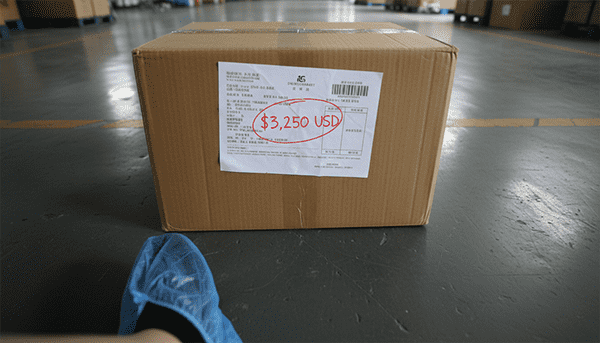
The Supply Chain Reality Most founders negotiate unit prices with a factory and ignore the landed cost calculation. Landed cost includes the unit price, shipping, customs, insurance, and duties. Pallets of face wash are incredibly heavy. If you run out of stock and have to airfreight a ton of liquid, your profit margins disappear instantly. Beauty gross margins in 2026 are heavily dictated by supply chain efficiency. Smart sourcing managers plan 12 weeks out to utilize sea freight. They also consolidate shipments to lower the cost per unit. You must work with a GMP manufacturer who hits production deadlines. A factory delay of two weeks forces you into expensive air shipping to meet retail deadlines. Predictable production schedules are the only way to optimize global logistics.
| Shipping Method | Speed | Cost Impact on Margins | Best Use Case |
|---|---|---|---|
| Ocean Freight | 30 - 45 Days | Low (Protects Margins) | Routine restocking |
| Air Freight | 5 - 10 Days | Extreme (Erodes Margins) | PR launches, emergencies |
Sarah's Supply Chain Warning A client planned a massive Black Friday launch. Her previous supplier missed the production deadline by three weeks. She was forced to fly heavy shampoo bottles from Asia to the United States to meet her fulfillment promises. The air freight bill wiped out her entire fourth-quarter profit margin.
4. Cosmetic Batch Consistency: The Hidden Cost of Instability
Stringent GMP protocols guarantee that batch one and batch one hundred are identical. This is best for long-term brand survival. The main drawback is that rigorous testing extends initial onboarding lead times.

The Supply Chain Reality The absolute largest hidden cost in beauty brand COGS is not the ingredients. It is instability. If you use a cheap factory, your first batch might look great. Your second batch might turn yellow. Your third batch might smell like burning plastic. This leads to line stoppages, product recalls, and destroyed brand reputation. CAMELLIA LABS holds an ISO 22716 (GMP) certification precisely to eliminate this risk. We lock down standard operating procedures so every single batch matches the approved sample perfectly. Skimping on quality control destroys your gross margins permanently. Standardized testing avoids catastrophic trial-and-error costs. True cost control happens before the mixing tanks turn on. You must partner with a facility that values consistent compounding procedures over rushed production times.
| Factory Type | Quality Control[^4] Standard | Batch Consistency[^7] | Hidden Cost Risk |
|---|---|---|---|
| Uncertified Factory | Random sampling | Fluctuates per run | High (Recalls, wasted inventory) |
| ISO 22716 (GMP) | Strict SOPs & Testing | 100% Identical | Zero trial-and-error cost |
Sarah's Supply Chain Warning I met a founder who bought cheap private label face creams from an unvetted marketplace. Her product separated into oil and water during the summer heat. She faced mass refunds on Amazon and her seller account was suspended. The cheap unit price ultimately cost her the entire business.
Final Verdict
Stop burning cash on custom packaging and unstable factories. Protect your gross margins by launching with our MOQ 500+ private label formulas and standardized premium packaging. Focus your budget on marketing, and let a certified GMP partner handle the batch consistency.
About Sarah Cao & CAMELLIA LABS I am Sarah Cao, the founder of CAMELLIA LABS (ZJG Nine CS). Good products begin with stringent standards. We are your Growth Partner. We help founders avoid 99% of production pitfalls through ISO 22716 GMP compliance[^5] and stable supply chains. We specialize in premium, low-MOQ private label manufacturing.
Ready to protect your margins? [Book a technical consultation with my team today.]
[^1]: Understanding raw ingredient costs can help you make informed sourcing decisions that protect your margins. [^2]: Explore how custom packaging can trap capital and impact cash flow for startups. [^3]: Learn how freight logistics can drastically alter your profit margins and how to optimize them. [^4]: Discover the importance of quality control in maintaining product stability and brand reputation. [^5]: GMP compliance ensures product safety and consistency, crucial for long-term brand success. [^6]: Understanding this balance is key to optimizing your product's profitability. [^7]: Understanding batch consistency can help you avoid costly recalls and maintain customer trust. [^8]: Learn how MOQ can affect cash flow and inventory management for beauty startups.