Struggling to turn a brilliant product idea into a stable, market-ready cosmetic? The reality of cosmetic formulation design can be jarring when you're focused on exciting "hero" ingredients, only to be met with manufacturer discussions about base emulsions, stability testing, and regulatory hurdles. This disconnect makes the entire process feel frustrating and opaque.
Cosmetic formulation design is a multi-disciplinary process of creating a stable, safe, and effective product by balancing active ingredients with a suitable base chassis (like an emulsion or serum). It requires optimizing for performance, user experience, manufacturing scale-up, packaging compatibility, and regulatory compliance in the target market. Success depends on strategic planning, not just creative ingredient mixing.

That definition gives you the "what," but it doesn't reveal the "how." The real-world principles that separate a promising lab sample from a successful, scalable product are far more nuanced. Let's explore the strategic pillars of formulation that every brand founder needs to understand before they brief a chemist.
Why is the Base More Important Than the Actives in Cosmetic Formulation Design?
Are you worried that your expensive "hero" ingredient isn't getting the spotlight it deserves? You might be investing a significant portion of your budget in powerful actives, only to find they are ineffective or, worse, cause skin irritation. The problem often isn't the active; it's the delivery system it's housed in.
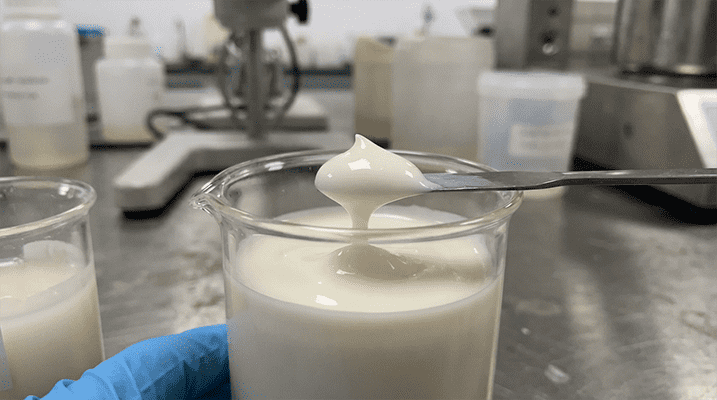
The base formula—the emulsion, serum, or gel chassis—makes up over 90% of your product1. It is responsible for delivering active ingredients effectively, ensuring the product's stability, creating the desired skin feel, and protecting the formula from microbial growth. A poorly designed base will destabilize actives and lead to product failure.
Dive Deeper: The Chassis vs. The Engine
Think of your product like a high-performance car. The active ingredients are the powerful engine, but the base formula is the chassis, suspension, and tires. You can have the most powerful engine in the world, but if you put it in a poorly constructed chassis with mismatched tires, the car will be unstable, inefficient, and unsafe to drive. You won't get any of the engine's power to the road.
In cosmetic science, the same is true. As a consultant, I often see brands come to us with a dream list of 10-15 trendy actives. My first question is never about the actives; it's about the intended user experience.
- What should it feel like on the skin?
- Should it be a light, fast-absorbing serum or a rich, occlusive cream?
- What kind of finish should it leave—matte, dewy, or silky?
The answers to these questions define the base, which is where the real work in cosmetic formulation design begins.
How the Base Dictates Performance and Sensory Profile
The base isn't just inert filler; it is an active system that dictates the entire product experience. The choice of emulsifiers, emollients, thickeners, and solvents directly impacts everything.
- Delivery and Bioavailability: A well-designed base can improve the penetration of certain actives. For example, using penetration enhancers or a specific lipid structure can help transport ingredients to where they need to be in the skin. A bad base can trap them on the surface, rendering them useless.
- Stability: Your 5% Vitamin C (Ascorbic Acid) is famously unstable and will oxidize (turn brown and become ineffective) if not formulated in a low-pH, water-free base2 or a highly stabilized emulsion. The base keeps the active potent.
- Sensory Experience: The difference between a greasy, heavy cream and a light, silky lotion comes down to the choice of emollients (like silicones vs. natural oils) and emulsifiers. This "skin feel" is arguably the #1 factor in customer repurchase decisions.
- Preservation: The base system, including its pH and water activity, is the first line of defense against bacteria and mold. The preservative system is chosen to work in harmony with the base.
The hard truth is that a customer will judge your product's texture and feel in the first five seconds. If they don't like it, they'll never use it long enough to see the benefits of your hero actives. That's why successful cosmetic formulation design always starts with the chassis, not the engine.
How Do Regulatory Constraints Influence Cosmetic Formulation Design?
Have you designed what you believe is the perfect "global" formula, ready to take on the world? This common approach is one of the fastest routes to expensive reformulations, customs seizures, and disastrous launch delays. The moment you realize a key ingredient is banned in the EU or restricted in Canada, your "universal" product is dead on arrival.
Regulatory frameworks like the European Union's Cosmetic Products Regulation (CPR), the US FDA's guidelines, or China's CSAR are not afterthoughts; they are primary design constraints. They dictate which ingredients are allowed, their maximum usage concentrations, and mandatory labeling claims, forcing formulators to design for a specific market from day one.

Dive Deeper: Designing for the Strictest Market First
When a brand tells me they plan to sell in both the US and the EU, my advice is almost always the same: formulate for the EU first. The EU's CPR is widely considered the most stringent regulatory framework in the world3. It operates on a "pre-market approval" basis for many things and maintains extensive lists of banned and restricted substances4.
If your formula is compliant with the EU, it is much more likely to be compliant (or require only minor label adjustments) for other markets like the US, Canada, or Australia. The reverse is rarely true. A formula designed for the more lenient US market will almost certainly contain ingredients or concentrations that are not permitted in the EU.
Consider this simplified example of how ingredient status can vary:
| Ingredient Example | EU Status (Annexes II & III) | US FDA Status (CFR) | Potential Impact on Formulation |
|---|---|---|---|
| Certain Preservatives | Banned or highly restricted | Generally permitted | Must choose a globally acceptable preservative system from the start. |
| Specific UV Filters | Approved and widely used | Not approved (pending GRASE status) | A sunscreen for the EU cannot be sold as a sunscreen in the US. |
| Some Colorants | Approved for cosmetic use | Restricted to specific uses (e.g., not for eye area) | Lipstick formula cannot be used for an eyeshadow. |
This table shows why a "one-size-fits-all" approach is a commercial fantasy. Cosmetic formulation design must be geographically targeted.
The "Clean Beauty" Regulatory Complication
The challenge intensifies with marketing terms like "clean," "natural," and "non-toxic." These terms have no legal or regulatory definition. A brand's internal "no-no list" may ban perfectly safe and effective ingredients like phenoxyethanol, forcing the formulator to use alternative preservative systems.
These alternatives, such as radish root ferment or blends of essential oils, come with their own set of challenges:
- Narrower Efficacy: They may only be effective in a limited pH range.
- Higher Irritation Potential: Many natural extracts are more allergenic than their synthetic counterparts5.
- Instability: They can destabilize an emulsion or lose effectiveness over time.
- Intensive Testing: Formulas with novel preservative systems require more rigorous microbial challenge testing (Preservative Efficacy Testing, or PET)6 to prove they are safe, adding months to the development timeline.
A client recently asked to replace a standard preservative in their cream with a "natural" one for their EU launch. This wasn't a simple swap. It forced a complete reformulation of the base emulsion to maintain stability and pass the mandatory challenge test, ultimately adding four months and significant cost to their project.
How Does Scale-Up Affect Skincare Formulation Design?
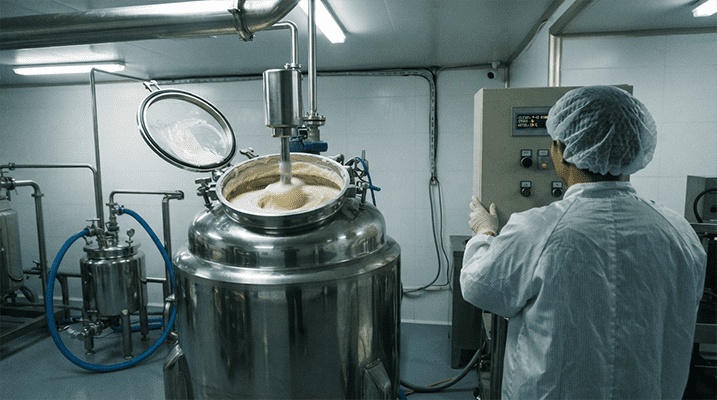
Your lab sample is perfect. The texture is divine, the color is beautiful, and it feels amazing. But now your manufacturer is raising concerns about potential issues in mass production. Are they just being difficult? The answer is no. The physics, chemistry, and thermodynamics of a 500-kilogram stainless steel tank are fundamentally different7 from a 500-gram glass beaker.
Scaling a formula from a lab bench to a production vessel introduces new variables like intense shear forces, different heating and cooling rates, and potential for aeration. A robust skincare formulation design must be built to withstand these manufacturing stresses without separating, changing color, or breaking down.
Dive Deeper: The Lab Bench vs. The Production Floor
What works perfectly in the lab can fail spectacularly at scale. A chemist making a bench sample can control every variable with precision. In a massive production tank, that control is exchanged for raw power.
- Mixing & Shear: In the lab, a small propeller mixer gently blends ingredients. In manufacturing, a massive homogenizer applies immense shear force to create a stable emulsion. A fragile formula can be literally ripped apart by this force, causing it to separate or lose viscosity. The formulation must be designed to be "shear-stable."
- Heating & Cooling: A 500g beaker can be heated and cooled in minutes. A 500kg tank has immense thermal inertia—it takes a long time to heat up and even longer to cool down. This slow cooling can affect how waxes and thickeners crystallize, potentially leading to a grainy texture8 that wasn't present in the lab sample.
- Ingredient Addition: The order in which ingredients are added is critical. What works in a beaker, where you can add things slowly, might not work in a factory where tons of material are being pumped through hoses. Some ingredients might react prematurely or fail to dissolve if the order or temperature isn't perfectly managed at scale.
The Final Boss: Packaging Compatibility
A formula is not truly finished until it has proven stable in its final packaging. The container is not a passive vessel; it is an active component that interacts with your product. This is a non-negotiable step in professional cosmetic formulation design.
Key considerations include:
- Material Interaction: Aggressive ingredients like essential oils or acids can degrade certain plastics over time, causing the packaging to warp or crack. Conversely, some plastics can "scalp" ingredients, pulling fragrance or even active components out of the formula and into the container walls, reducing the product's efficacy.
- Oxygen and Light Sensitivity: Ingredients like Retinol, Vitamin C, and many natural oils are highly sensitive to oxygen and UV light9. Packaging them in a clear glass jar with a wide mouth is a recipe for rapid degradation. These formulas demand opaque, airless packaging to remain stable and effective.
- Viscosity and Dispensing: The formula's thickness must be perfectly matched to the dispenser. A beautiful, rich cream will be impossible to get out of a fine-mist sprayer. A watery serum will leak out of a traditional pump. The formulator must design the viscosity with the final dispensing mechanism in mind.
During development, we always conduct stability testing with the formula in the exact final componentry to ensure there are no negative interactions before starting mass production.
What is the Impact of Formulation Choices on MOQs and Timelines?
You've just been quoted a high Minimum Order Quantity (MOQ) and a long development timeline, and you don't understand why. You assumed creating a custom formula would be a straightforward process. In reality, the complexity of your desired formula is often the direct cause of these commercial realities.
Complex cosmetic formulation design choices, such as using niche active ingredients, custom fragrances, or unconventional preservative systems, significantly impact the entire manufacturing process. These choices limit raw material supplier options, necessitate longer stability testing periods, and often require larger production batches to be cost-effective, thus increasing both MOQs and project timelines.

Dive Deeper: The Supply Chain Reality of Raw Materials
Not all ingredients are created equal from a sourcing perspective.
- Commodity Ingredients: Standard materials like Glycerin, Xanthan Gum, or Caprylic/Capric Triglyceride are produced by many suppliers and are readily available with low MOQs.
- Niche Ingredients: A patented peptide, a unique botanical extract from a specific region, or a special-effect pigment may only be available from a single supplier. That supplier may have a raw material MOQ of 25 kg. If your formula only requires 1 kg of that active for a 5,000-unit production run, the manufacturer still has to buy the full 25 kg. This cost is either passed on to you or built into a higher unit price and production MOQ.
The Non-Negotiable Stability Testing Timeline
Stability testing is the process of ensuring your product will remain safe, stable, and effective for its entire shelf life. This process takes time, and its duration is directly related to formula complexity.
- Standard Formulas: A formula using well-understood ingredients and preservatives (like a private label base) can often rely on 3 months of accelerated stability testing (e.g., storing samples at 40-45°C) to confidently predict a 2-3 year shelf life10.
- Complex or "Natural" Formulas: A formula using novel actives or a sensitive natural preservative system has less predictable failure points. It will require more rigorous testing, often including 6 months of accelerated testing alongside real-time testing at room temperature. Additional tests like freeze-thaw cycling (to simulate shipping in winter) and photostability testing (if using light-sensitive ingredients) add weeks to the timeline.
Let's compare a simple project with a complex one:
| Feature | Standard Private Label Formula | Custom "Clean" High-Tech Formula |
|---|---|---|
| Key Ingredients | Common, multi-source | Niche, patented, single-source |
| Raw Material MOQ | Low and flexible | High and rigid |
| Stability Testing | 3 months (predictable outcome) | 6+ months (unpredictable outcome) |
| Typical Production MOQ | 3,000–5,000 units | 5,000–10,000+ units |
| Total Development Timeline | 4–6 months | 9–12+ months |
This is why at Camellia Labs, our first conversation is about managing expectations. The MOQ isn't an arbitrary number set by the factory; it's a direct consequence of the technical and supply chain realities dictated by your cosmetic formulation design choices.
Frequently Asked Questions
What's the difference between private label and custom formulation?
Private label (or white label) involves selecting a pre-existing, pre-tested formula from a manufacturer's library that you can brand as your own. Custom formulation is the process of developing a unique formula from scratch based on your specific requirements. Customization offers brand differentiation but requires a full development cycle, including extensive testing and a higher upfront investment.
How long does cosmetic formulation design really take?
While an initial lab sample might be created in a few weeks, this is just the beginning. The complete process, including sensory panel feedback, multiple revisions, comprehensive stability and compatibility testing, and regulatory documentation review, typically takes from 4 to 12 months before your first production run can even be scheduled.
Can I provide my own formula to a manufacturer?
Yes, you can bring a formula to a manufacturer, a process sometimes called "toll manufacturing." However, the manufacturer will still need to validate it. They must review the formula for safety, stability, and scalability with their equipment. They will also need to source all ingredients and will almost always insist on performing their own stability testing to accept liability for the production.
Why can't I just use a 1% concentration of every active ingredient I want?
Cosmetic formulation is a science of synergy, not just a simple addition of ingredients. Combining too many actives, even at low concentrations, can lead to skin irritation, destabilize the emulsion, cause unforeseen chemical reactions, or even have ingredients cancel each other out. Effective formulation focuses on using ingredients at their clinically supported, optimal concentrations within a stable and effective delivery system.
Conclusion
Shifting your mindset from "recipe hunting" to strategic product development is the most critical step you can take as a brand founder. True cosmetic formulation design is a rigorous discipline that balances the creative vision for a product with the scientific, regulatory, and commercial realities of bringing it to market. By understanding that the base formula is paramount, that regulations are unbendable guardrails, that scale-up introduces physical challenges, and that complexity directly drives cost and time, you can engage with manufacturing partners more effectively. Mastering these principles is your first step toward de-risking your project and launching a product with the best possible chance of success.
If you're a beauty brand ready to move past the ingredient list and build a commercially viable product, the team at Camellia Labs is here to help you navigate the complexities of formulation, manufacturing, and compliance. Contact us to discuss your project and build a realistic product development plan.
"Cosmetic Formulations: A Beginner's Guide for Brand ...", https://camellia-labs.com/cosmetic-formulations-a-beginners-guide-for-brand-founders/. According to cosmetic formulation textbooks, the vehicle or base emulsion typically constitutes 80% to 95% of the total formulation weight, serving as the primary delivery medium. Evidence role: general_support; source type: education. Supports: the typical composition of cosmetic formulations where the base vehicle comprises the vast majority of the product weight. Scope note: Specific percentages may vary for anhydrous ointments or highly concentrated active ampoules. ↩
"209381Orig1s000 | FDA", https://www.accessdata.fda.gov/drugsatfda_docs/nda/2018/209381Orig1s000PharmR.pdf. Research in dermatological chemistry demonstrates that L-ascorbic acid is highly susceptible to aerobic oxidation, which is significantly slowed at a pH below 3.5 or in anhydrous vehicles. Evidence role: mechanism; source type: paper. Supports: the rapid oxidation of L-ascorbic acid in water and the stabilizing effect of low pH or anhydrous systems. Scope note: Alternative derivatives of Vitamin C, such as ascorbyl glucoside, exhibit different stability profiles. ↩
"Report on the Use of PFAS in Cosmetic Products and ...", https://www.fda.gov/media/190319/download?attachment. Comparative analyses of global cosmetic laws frequently highlight the European Union's Regulation (EC) No 1223/2009 as a benchmark for stringent safety assessments and ingredient restrictions. Evidence role: expert_consensus; source type: institution. Supports: the comparative rigor and precautionary approach of the European Union's cosmetic regulatory framework. Scope note: Other jurisdictions, such as China under CSAR, have also introduced highly rigorous pre-market registration requirements for certain ingredients. ↩
"Prohibited & Restricted Ingredients in Cosmetics", https://www.fda.gov/cosmetics/cosmetics-laws-regulations/prohibited-restricted-ingredients-cosmetics. Annex II of the EU Cosmetic Regulation (EC) No 1223/2009 lists over 1,600 substances that are prohibited from use in cosmetic products. Evidence role: historical_context; source type: government. Supports: the extensive list of prohibited substances maintained under EU cosmetic regulations. Scope note: Many of these substances were never historically used in cosmetics but are banned under a precautionary hazard-based approach. ↩
"What is New in Contact Allergy To Cosmetics for Physicians ...", https://pmc.ncbi.nlm.nih.gov/articles/PMC12552389/. Dermatological literature notes that unpurified botanical extracts contain complex mixtures of organic compounds, several of which are known contact sensitizers, unlike highly purified synthetic single-molecule ingredients. Evidence role: expert_consensus; source type: paper. Supports: the higher prevalence of contact allergens in complex natural botanical extracts compared to purified synthetic alternatives. Scope note: The allergenic potential depends heavily on the specific plant species, extraction method, and concentration used. ↩
"Basic Principles of Cosmetic Formulas: What Brand ...", https://camellia-labs.com/basic-principles-of-cosmetic-formulas-what-brand-founders-need-to-know-before-manufacturing/. Standardized protocols such as ISO 11930 and USP Chapter <51> define the methodology for inoculating cosmetic formulations with specific microorganisms to evaluate preservative efficacy over a 28-day period. Evidence role: definition; source type: institution. Supports: the standardized protocols for evaluating cosmetic preservative efficacy against microbial contamination. Scope note: These laboratory tests simulate microbial contamination but may not fully replicate extreme consumer misuse conditions. ↩
"Basic Principles of Cosmetic Formulas: What Brand ...", https://camellia-labs.com/basic-principles-of-cosmetic-formulas-what-brand-founders-need-to-know-before-manufacturing/. Chemical engineering studies on emulsion scale-up demonstrate that changes in surface-area-to-volume ratios alter heat transfer rates and shear stress distribution, which can destabilize the emulsion structure. Evidence role: mechanism; source type: paper. Supports: the physical and thermodynamic challenges encountered when scaling up cosmetic emulsions from laboratory beakers to industrial vessels. Scope note: Modern computerized process control systems can mitigate some of these thermodynamic discrepancies but cannot eliminate them entirely. ↩
"GRAS Notice 648 : monoacylglycerides", https://www.fda.gov/files/food/published/GRAS-Notice-000648---Monoglycerides.pdf. Research on lipid crystallization indicates that slow cooling rates favor the growth of large, polymorphic wax crystals, which can manifest as a grainy or sandy texture in the final cosmetic product. Evidence role: mechanism; source type: paper. Supports: the impact of cooling rates on the crystallization behavior of lipids and waxes in cosmetic emulsions. Scope note: The addition of specific crystal modifiers or rapid post-cooling homogenization can sometimes prevent this graininess. ↩
"Why Can't I Put My High-Active Serum in Cheap Stock Packaging?", https://camellia-labs.com/high-active-serum-packaging-compatibility/. Dermatological and lipid chemistry research establishes that retinol undergoes rapid isomerization and degradation when exposed to UV radiation, while unsaturated fatty acids in natural oils undergo auto-oxidation. Evidence role: mechanism; source type: paper. Supports: the susceptibility of retinoids and unsaturated lipids to photo-oxidation and degradation upon exposure to light and atmospheric oxygen. Scope note: The use of synthetic antioxidants like BHT or tocopherol can significantly delay, but not entirely prevent, this degradation. ↩
"Guidelines on the stability testing of cosmetic products", https://www.iso.org/obp/ui/es/#!iso:std:63465:en. Guidelines from the European Cosmetics Association (formerly Colipa) and the FDA suggest that storing cosmetic samples at 40°C to 45°C for 12 weeks serves as a reliable predictor of a 24-to-36-month shelf life under ambient conditions. Evidence role: expert_consensus; source type: institution. Supports: the industry standard of using accelerated stability testing at elevated temperatures to estimate long-term product shelf life. Scope note: Accelerated testing is a predictive model and may fail to anticipate specific chemical interactions that only occur over longer periods at room temperature. ↩